RECENT 2023 Module 7 EXAM
7.1 : Introduction to Gastroenterology
The organs of the upper gastrointestinal tract (mouth, pharynx, esophagus, stomach, and duodenum) work in
conjunction to first digest food and then absorb the nutrients obtained from the digested food. Both the stomach and
the upper part of the small intestines (duodenum) release hormones and enzymes that help in this process. When food
enters the body, the stomach is triggered to begin releasing gastric juices such as hydrochloric acid (HCl) and an enzyme
called pepsin.
HCl is released by parietal cells located in the stomach. Due to its acidic nature, HCl aids in the breakdown of food
entering the stomach.
Pepsin is the primary digestive enzyme found in the stomach. Pepsin is responsible for the catabolism (breaking down) of
proteins into polypeptides.
There are three major stimulators that affect the release of gastric juices: Acetylcholine (ACh), gastrin, and histamine.
First, the ingestion of food stimulates ACh to bind to its target receptors, stimulating the release of pepsin, gastrin,
histamine, and HCl from chief cells, G cells, enterochromaffin like (ECL) cells, and parietal cells respectively. Gastrin then
binds to its target receptors on ECL and parietal cells which stimulates the release of more histamine and more HCl. The
histamine then binds to the H2 receptors on the parietal cells which, in turn, increases the amount of HCl or gastric acid
released.
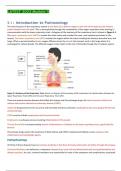
Figure 7.1 Stimulation of Gastric Juices. The figure above depicts the different cells involved in the release of the different gastric
juices. The process is started by ACH being released when food is ingested. The release of the initial gastrin and histamine go on to
stimulate the release of more histamine and HCL.
Peptic Ulcers and Gastrointestinal Esophageal Reflux Disease (GERD)
Peptic ulcers are defined as open sores in the mucous membranes of the mucosal lining of the stomach or duodenum.
Pathophysiology: The cause of peptic ulcers is not always the same. The majority of GI ulcers are caused by the
bacterium Helicobacter Pylori (H. Pylori). The bacterium is believed to enter the body through contaminated food or
water. Reacting to the bacteria, an inflammatory response is initiated, which is often associated with an increase in
stomach acid secretions.
The long-term use of non-steroidal anti-inflammatory drugs (NSAIDs) is also closely related to the incidence of peptic
ulcers. NSAIDs block prostaglandins which play a role in inhibiting gastric acid secretion.
In both cases, the resulting increase in stomach acid secretions places a strain on the inner lining of the stomach until an
ulcer (break or tear) appears.
, Symptoms of a peptic ulcer include pain, nausea, and loss of appetite. The pain is typically described as a dull, gnawing,
burning sensation similar to heartburn. Interestingly, if the ulcer is in the duodenum, food often relieves the pain,
whereas if the ulcer is in the stomach, food often worsens the pain.
GERD stands for gastrointestinal esophageal reflux disease and is characterized primarily by the presence of heartburn.
Heartburn (acid indigestion) is defined as a painful burning feeling behind the sternum that occurs when stomach acid
backs up into the esophagus.
Pathophysiology of GERD involves the lower esophageal sphincter (LES) or valve at the bottom of the esophagus going
into the stomach. This valve loosens such that the gastric acid is able to go back up (reflux) into the esophagus.
Symptoms of GERD go beyond occasional heartburn. In GERD, heartburn is part of an ongoing problem, often occurring
after meals and upon lying down. In severe cases, there can even be blood loss from chronic injury to the esophagus.
Treatment Overview
Peptic Ulcers
If the patient has a peptic ulcer that is caused by H. Pylori, they will need to be treated with antibiotics. It is generally
recommended to use at least two antibiotics in combination with bismuth salts (Pepto-Bismol or Kaopectate), a regimen
referred to as “triple therapy.” When a proton pump inhibitor (PPI) is added to the regimen it is then referred to as
“quadruple therapy.” PPIs will be discussed further below.
The recommended antibiotics to treat H. pylori include amoxicillin, tetracycline, metronidazole, and clarithromycin. The
purpose of the Pepto-Bismol is that bismuth is thought to disrupt the bacterial cell wall and prevent further binding to
the mucosa. Treatment typically lasts for 8 weeks leading to the eradication of the bacteria.
If the ulcer was not caused by H. Pylori, treatment does not involve antibiotics but rather anti-secretory drugs. Anti-
secretory drugs are defined as drugs that inhibit the secretion of digestive enzymes, hormones, or acids. Such drugs
include H2 receptor antagonists, prostaglandins, and proton pump inhibitors. Treatment should last 4-8 weeks.
Prostaglandins are only useful in the treatment or prevention of NSAID-induced ulcers. Prostaglandins inhibit histamine
which counteracts the NSAIDs inhibition of prostaglandin synthesis. There is only one synthetic prostaglandin available,
misoprostol. It is limited in its use, primarily being used for patients at high risk of developing an ulcer that must be on
an NSAID for a limited time. Misoprostol has not been shown to be effective at preventing ulcers in patients on chronic
NSAID therapy. Misoprostol is also known to cause uterine contractions and is, therefore, contraindicated in pregnancy
due to the risk of miscarriage.
GERD
Depending on the severity of the disease, the recommended treatment may differ. In mild-moderate GERD, the H2
antagonists are a great option. They have a longer duration of action than alternatives such as an OTC antacid and
provide good relief. However, in severe GERD or in cases where there is ulcerative damage, PPIs are considered first line
therapy.
Lifestyle modifications are a critical part of the management of peptic ulcers and GERD. Recommendations include
smoking cessation, avoiding caffeine and alcohol, as well as reducing stress. If possible, NSAIDs should be avoided. If the
patient is overweight, weight loss can help. If the patient has symptoms at night, it is recommended to elevate their bed.
Drug Therapy
H2 receptor antagonists were introduced in Module 2. We will go into more detail in this module.
Mechanism of action: Work by competitively inhibiting the interaction of histamine with H2 receptors within the GI
mucosa. This blockade significantly reduces the secretion of acid and pepsin from the stomach.
7.1 : Introduction to Gastroenterology
The organs of the upper gastrointestinal tract (mouth, pharynx, esophagus, stomach, and duodenum) work in
conjunction to first digest food and then absorb the nutrients obtained from the digested food. Both the stomach and
the upper part of the small intestines (duodenum) release hormones and enzymes that help in this process. When food
enters the body, the stomach is triggered to begin releasing gastric juices such as hydrochloric acid (HCl) and an enzyme
called pepsin.
HCl is released by parietal cells located in the stomach. Due to its acidic nature, HCl aids in the breakdown of food
entering the stomach.
Pepsin is the primary digestive enzyme found in the stomach. Pepsin is responsible for the catabolism (breaking down) of
proteins into polypeptides.
There are three major stimulators that affect the release of gastric juices: Acetylcholine (ACh), gastrin, and histamine.
First, the ingestion of food stimulates ACh to bind to its target receptors, stimulating the release of pepsin, gastrin,
histamine, and HCl from chief cells, G cells, enterochromaffin like (ECL) cells, and parietal cells respectively. Gastrin then
binds to its target receptors on ECL and parietal cells which stimulates the release of more histamine and more HCl. The
histamine then binds to the H2 receptors on the parietal cells which, in turn, increases the amount of HCl or gastric acid
released.
Figure 7.1 Stimulation of Gastric Juices. The figure above depicts the different cells involved in the release of the different gastric
juices. The process is started by ACH being released when food is ingested. The release of the initial gastrin and histamine go on to
stimulate the release of more histamine and HCL.
Peptic Ulcers and Gastrointestinal Esophageal Reflux Disease (GERD)
Peptic ulcers are defined as open sores in the mucous membranes of the mucosal lining of the stomach or duodenum.
Pathophysiology: The cause of peptic ulcers is not always the same. The majority of GI ulcers are caused by the
bacterium Helicobacter Pylori (H. Pylori). The bacterium is believed to enter the body through contaminated food or
water. Reacting to the bacteria, an inflammatory response is initiated, which is often associated with an increase in
stomach acid secretions.
The long-term use of non-steroidal anti-inflammatory drugs (NSAIDs) is also closely related to the incidence of peptic
ulcers. NSAIDs block prostaglandins which play a role in inhibiting gastric acid secretion.
In both cases, the resulting increase in stomach acid secretions places a strain on the inner lining of the stomach until an
ulcer (break or tear) appears.
, Symptoms of a peptic ulcer include pain, nausea, and loss of appetite. The pain is typically described as a dull, gnawing,
burning sensation similar to heartburn. Interestingly, if the ulcer is in the duodenum, food often relieves the pain,
whereas if the ulcer is in the stomach, food often worsens the pain.
GERD stands for gastrointestinal esophageal reflux disease and is characterized primarily by the presence of heartburn.
Heartburn (acid indigestion) is defined as a painful burning feeling behind the sternum that occurs when stomach acid
backs up into the esophagus.
Pathophysiology of GERD involves the lower esophageal sphincter (LES) or valve at the bottom of the esophagus going
into the stomach. This valve loosens such that the gastric acid is able to go back up (reflux) into the esophagus.
Symptoms of GERD go beyond occasional heartburn. In GERD, heartburn is part of an ongoing problem, often occurring
after meals and upon lying down. In severe cases, there can even be blood loss from chronic injury to the esophagus.
Treatment Overview
Peptic Ulcers
If the patient has a peptic ulcer that is caused by H. Pylori, they will need to be treated with antibiotics. It is generally
recommended to use at least two antibiotics in combination with bismuth salts (Pepto-Bismol or Kaopectate), a regimen
referred to as “triple therapy.” When a proton pump inhibitor (PPI) is added to the regimen it is then referred to as
“quadruple therapy.” PPIs will be discussed further below.
The recommended antibiotics to treat H. pylori include amoxicillin, tetracycline, metronidazole, and clarithromycin. The
purpose of the Pepto-Bismol is that bismuth is thought to disrupt the bacterial cell wall and prevent further binding to
the mucosa. Treatment typically lasts for 8 weeks leading to the eradication of the bacteria.
If the ulcer was not caused by H. Pylori, treatment does not involve antibiotics but rather anti-secretory drugs. Anti-
secretory drugs are defined as drugs that inhibit the secretion of digestive enzymes, hormones, or acids. Such drugs
include H2 receptor antagonists, prostaglandins, and proton pump inhibitors. Treatment should last 4-8 weeks.
Prostaglandins are only useful in the treatment or prevention of NSAID-induced ulcers. Prostaglandins inhibit histamine
which counteracts the NSAIDs inhibition of prostaglandin synthesis. There is only one synthetic prostaglandin available,
misoprostol. It is limited in its use, primarily being used for patients at high risk of developing an ulcer that must be on
an NSAID for a limited time. Misoprostol has not been shown to be effective at preventing ulcers in patients on chronic
NSAID therapy. Misoprostol is also known to cause uterine contractions and is, therefore, contraindicated in pregnancy
due to the risk of miscarriage.
GERD
Depending on the severity of the disease, the recommended treatment may differ. In mild-moderate GERD, the H2
antagonists are a great option. They have a longer duration of action than alternatives such as an OTC antacid and
provide good relief. However, in severe GERD or in cases where there is ulcerative damage, PPIs are considered first line
therapy.
Lifestyle modifications are a critical part of the management of peptic ulcers and GERD. Recommendations include
smoking cessation, avoiding caffeine and alcohol, as well as reducing stress. If possible, NSAIDs should be avoided. If the
patient is overweight, weight loss can help. If the patient has symptoms at night, it is recommended to elevate their bed.
Drug Therapy
H2 receptor antagonists were introduced in Module 2. We will go into more detail in this module.
Mechanism of action: Work by competitively inhibiting the interaction of histamine with H2 receptors within the GI
mucosa. This blockade significantly reduces the secretion of acid and pepsin from the stomach.