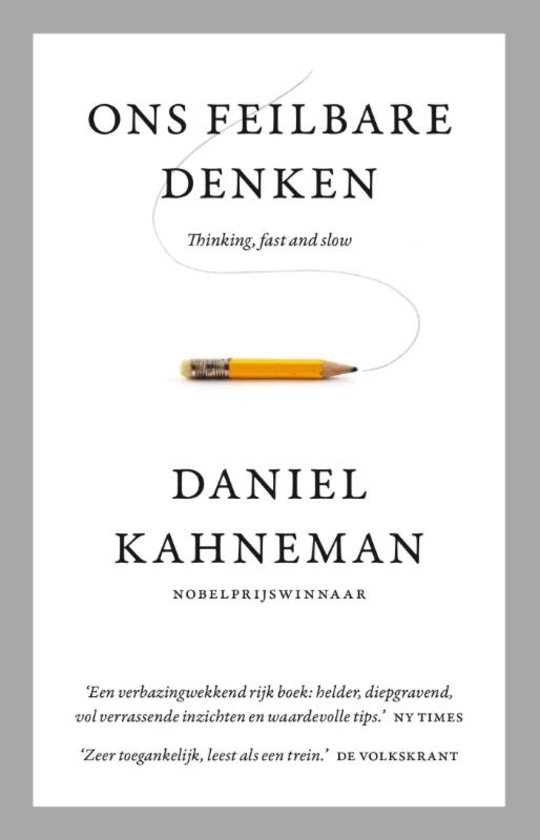
INTRO: BEHAVIORAL ECONOMICS?...................................................................................................................................... 1
01. HISTORY .................................................................................................................................................................... 1
- Behavioral economics ............................................................................................................................................. 1
- History .................................................................................................................................................................... 1
- Discounted utility model ......................................................................................................................................... 1
- Rationality in the standard economic model .......................................................................................................... 2
- Advantages of the standard model......................................................................................................................... 3
02. PRACTICE ................................................................................................................................................................... 3
- context: Behavioral pricing & attraction effect ....................................................................................................... 3
- Anchoring & adjustment......................................................................................................................................... 3
- Mental accounting ................................................................................................................................................. 4
- Loss aversion .......................................................................................................................................................... 4
- Prospect theory (Kahneman & Tversky) .................................................................................................................. 5
- Anomalies ............................................................................................................................................................... 5
- Adjusting standard economic theory ...................................................................................................................... 5
03. NUDGING .................................................................................................................................................................. 5
- Criticism of nudging ................................................................................................................................................ 6
- Nudging .................................................................................................................................................................. 6
- Nudging taxonomie ................................................................................................................................................ 7
- Onderzoeksdoelstelling en strategie ....................................................................................................................... 8
- Welke nudges zijn effectief voor welk toepassingsgebied ....................................................................................... 8
- Stappenplan ......................................................................................................................................................... 10
- Ethisch? Paternalisme?......................................................................................................................................... 10
DEEL 1: SYSTEMEN............................................................................................................................................................ 11
1. DE HOOFDPERSONAGES .................................................................................................................................................... 11
- Twee systemen (28 – 32) ...................................................................................................................................... 11
® Systeem 1 (28 – 29, 32 - 33) ................................................................................................................................................. 11
® Systeem 2 (28 – 29, 32 - 33) ................................................................................................................................................. 11
® Beperkingen van aandacht (30 – 31) .................................................................................................................................... 11
® Blinde vlek: gorillaonderzoek (31) ........................................................................................................................................ 11
- Een korte samenvatting van het verhaal (32- 33) ................................................................................................. 11
- Conflict (33 – 34) .................................................................................................................................................. 11
® Conflict, biases (33 - 36) ....................................................................................................................................................... 11
- Illusies (34 – 36) .................................................................................................................................................... 11
® Müller-Leyer-illusie (34 – 35)................................................................................................................................................ 11
® Cognitieve illusie (35 – 36) ................................................................................................................................................... 11
- Een nuttige personificatie (36 – 37) ...................................................................................................................... 11
2. AANDACHT EN INSPANNING ............................................................................................................................................... 12
- Mentale inspanning (39 – 46) ............................................................................................................................... 12
® Pupil als indicator voor mentale inspanning (39 – 42) .......................................................................................................... 12
® Behoefte aan energie (43) .................................................................................................................................................... 12
® Wet van minste weerstand (43) ........................................................................................................................................... 12
® Coördinerende processen (45) ............................................................................................................................................. 12
3. DE LUIE CONTROLEUR ...................................................................................................................................................... 12
® Flow (48) .............................................................................................................................................................................. 12
- Het drukke en uitgeputte Systeem 2 (49 – 51) ...................................................................................................... 12
® Cognitief bezet (49) .............................................................................................................................................................. 12
® Egodepletie (49 - 50) ............................................................................................................................................................ 12
® Glucosespiegel (50 – 51) ...................................................................................................................................................... 12
- Het luie Systeem 2 (52 – 54) ................................................................................................................................. 12
® Uitputtingseffect (51) ........................................................................................................................................................... 12
® Michigan / Detroit vraag (53) ............................................................................................................................................... 12
® Intellectuele luiheid (54) ...................................................................................................................................................... 12
- Intelligentie, (zelf)controle en rationaliteit (55 - 57) ............................................................................................ 12
® Algoritmische brein (56) ....................................................................................................................................................... 12
1
,4. DE ASSOCIATIEVE MACHINE ............................................................................................................................................... 13
® Associatieve activering (58) .................................................................................................................................................. 13
® Associërend coherent (59) ................................................................................................................................................... 13
® Associatie tussen ideeën: overeenkomstigheid, samenhang van tijd en plaats en causaliteit (59) ...................................... 13
® Associatieve geheugen (59 – 60) .......................................................................................................................................... 13
- Het wonder van priming (60 – 62) ........................................................................................................................ 13
® Priming (60 – 66) .................................................................................................................................................................. 13
® Ideomotoreffect: Florida-effect (61) .................................................................................................................................... 13
- Priming als richtlijn (62 – 66) ................................................................................................................................ 13
® Lady Macbeth-effect (64) ..................................................................................................................................................... 13
® Zuiver symbolische suggestie van observatie leidt tot beter gedrag (65 – 66) ..................................................................... 13
5. COGNITIEF GEMAK........................................................................................................................................................... 13
® Cognitief gemak (67) ............................................................................................................................................................ 13
- De illusie van herinneringen (68 – 69)................................................................................................................... 13
® Illusie van herinneringen en bekendheid (68 – 69)............................................................................................................... 13
- llusie van waarheid (69 – 70) ................................................................................................................................ 14
- Overtuigende boodschap schrijven (70 – 72) ........................................................................................................ 14
- Spanning en inspanning (72 – 73) ........................................................................................................................ 14
® Cognitive Reflection Test (72)............................................................................................................................................... 14
® Cognitieve inspanning (73) ................................................................................................................................................... 14
- Het plezier van cognitief gemak (73 – 75) ............................................................................................................ 14
® Mere exposure effect (74) .................................................................................................................................................... 14
® Remote Association Test (75) ............................................................................................................................................... 14
- Gemak, stemming en intuïtie (75 - 78) ................................................................................................................. 14
® Intuïtie-index (76) ................................................................................................................................................................. 14
6. NORMEN, VERRASSINGEN EN OORZAKEN ............................................................................................................................... 14
- Normaliteit inschatten (79 – 82) ........................................................................................................................... 14
® Actieve en passieve verrassingen (79 – 80) .......................................................................................................................... 14
® Normtheorie (80) ................................................................................................................................................................. 14
® Mozes-misleiding (81) .......................................................................................................................................................... 14
® Anomalie (82) ....................................................................................................................................................................... 14
- Oorzaken en intenties (82 – 85) ............................................................................................................................ 14
® Associatieve samenhang (83 - 85) ........................................................................................................................................ 14
® Perceptie van intentionele causaliteit (84) ........................................................................................................................... 14
® Fysieke causaliteit (85) ......................................................................................................................................................... 14
7. SNEL CONCLUSIES TREKKEN ................................................................................................................................................ 15
- Dubbelzinnigheden negeren en twijfels onderdrukken (87 – 88) .......................................................................... 15
® Context (87).......................................................................................................................................................................... 15
- Een bias voor geloven en bevestigen (88 – 89) ..................................................................................................... 15
® Theorie van geloven en falsifiëren (88 – 89) ........................................................................................................................ 15
® Bevestigingsbias (positive test strategy) (89) ....................................................................................................................... 15
- Overdreven emotionele samenhang: halo-effect (89 – 92) ................................................................................... 15
® Wisdom of Crowds (92) ........................................................................................................................................................ 15
® Niet-gecorreleerde fouten, principe van onafhankelijke oordelen (92) ............................................................................... 15
- What You See Is All There Is (93 – 96) ................................................................................................................... 15
® Intuïtieve overtuigingen (94 – 95) ........................................................................................................................................ 15
® Eenzijdige informatie (95) .................................................................................................................................................... 15
® Consistentie (95 – 96)........................................................................................................................................................... 15
® Overmoed (95) ..................................................................................................................................................................... 15
® Framing-effect (95)............................................................................................................................................................... 15
® Negeren van a-priori kans (96) ............................................................................................................................................. 15
8. HOE OORDELEN ZICH VORMEN ........................................................................................................................................... 15
® Subsititutieproces (97) ......................................................................................................................................................... 15
- Basisevaluaties (97 - 99) ....................................................................................................................................... 15
- Sets en prototypen (100 – 101) ............................................................................................................................ 16
® Somachtige variabelen (101) ................................................................................................................................................ 16
- Afstemming van intensiteit (101 – 102)................................................................................................................ 16
- Mentale hagelschot (97, 103 - 104)...................................................................................................................... 16
2
, 9. EEN EENVOUDIGERE VRAAG GRAAG ..................................................................................................................................... 16
- Vervangingsvragen (105 - 107) ............................................................................................................................ 16
® Subsitutie (105) .................................................................................................................................................................... 16
® Mentale hagelschot (107) .................................................................................................................................................... 16
® Afstemming van intensiteit (107) ......................................................................................................................................... 16
- Heuristiek in 3 dimensies (107 - 109) ................................................................................................................... 16
® 3D-heuristiek: optische illusie (108) ..................................................................................................................................... 16
- Stemmingsheuristiek voor geluk (109 – 110) ........................................................................................................ 16
- Affectheuristiek (110 – 111) ................................................................................................................................. 16
DEEL 2: HEURISTIEKEN EN BIASES ...................................................................................................................................... 17
10. DE WET VAN DE KLEINE GETALLEN .................................................................................................................................. 17
® Wet van grote getallen (119)................................................................................................................................................ 17
- Wet van kleine getallen (120 – 121) ..................................................................................................................... 17
- Liever vertrouwen dan twijfel (121 – 122) ............................................................................................................ 17
® Halo-effect (122) .................................................................................................................................................................. 17
- Oorzaak en verandering: willekeurigheid (123 – 126) .......................................................................................... 17
11. REFERENTIENIVEAUS ................................................................................................................................................... 17
® Referentieniveau (127-128) ................................................................................................................................................. 17
- Referentie als aanpassing (128 – 129) .................................................................................................................. 17
® Aanpassen-en-refereren heuristiek (128)............................................................................................................................. 17
- Referentie als priming-effect (130 – 131) ............................................................................................................. 17
® Suggestie (130) ..................................................................................................................................................................... 17
® Associatieve samenhang (130 – 131) ................................................................................................................................... 17
® Referentie-effect (131 - 133) ................................................................................................................................................ 17
- Referentie-index (131) .......................................................................................................................................... 17
- Referentieniveaus gebruiken en misbruiken (134 – 135) ...................................................................................... 17
® ‘Het tegenovergestelde denken’ (135) ................................................................................................................................. 17
- Referentieniveaus en 2 systemen (135 – 136) ...................................................................................................... 18
12. BESCHIKBAARHEID...................................................................................................................................................... 18
® Beschikbaarheidsheuristiek (137 - 138)................................................................................................................................ 18
® Beschikbaarheidsbias (139) .................................................................................................................................................. 18
- Psychologie van beschikbaarheid (140 – 144) ...................................................................................................... 18
® Onverklaarbare heuristiek van niet-beschikbaarheid (142) .................................................................................................. 18
® Heuristiek verstoren (142 – 144) .......................................................................................................................................... 18
13. BESCHIKBAARHEID, EMOTIE EN RISICO ............................................................................................................................. 18
- Beschikbaarheid en affect (145 – 148) ................................................................................................................. 18
® Affectheuristiek (146 -147)................................................................................................................................................... 18
® Consistent affect (associatieve samenhang) (147) ............................................................................................................... 18
- De gewone man en de expert: risico-inschatting (148 -152) ................................................................................. 18
® Availability cascade of beschikbaarheidscascade (150) ........................................................................................................ 18
® Probability neglect (152) ...................................................................................................................................................... 18
14. TOM W.’S STUDIERICHTING ......................................................................................................................................... 19
- Voorspellen van represenativiteit (156 – 158) ...................................................................................................... 19
® Substitutie (158) ................................................................................................................................................................... 19
® Mentaal hagelschot (158)..................................................................................................................................................... 19
- De zondes van representativiteit (159 – 161) ....................................................................................................... 19
® Representativiteitsheuristiek (159) ...................................................................................................................................... 19
® Fout intuïtief oordeel (160) .................................................................................................................................................. 19
- Uw intuïtie onder de duim krijgen (161 – 162) ..................................................................................................... 19
® Bayesiaanse regels (161 – 162) ............................................................................................................................................ 19
15. LINDA: MINDER IS MEER .............................................................................................................................................. 19
® Conflict tussen intuiïtieve representativiteit en logica van kansinschatting (165) ................................................................ 19
® Conjunciton fallacy of conjunctiefout (166) ......................................................................................................................... 19
- Minder is méér, soms zelfs bij vergelijkingssituaties (168 – 174) .......................................................................... 20
® Verzamelingen worden vertegenwoordigd door normen en prototypen (169) ................................................................... 20
® Minder is méér-patroon: systeem 1 middelt in plaats dat het optelt (169).......................................................................... 20
3
, ® Functierepresentatie (172) ................................................................................................................................................... 20
® Intuïtie bepaalt oordeel in between subjects-situatie, logica in within-subjects (173) ......................................................... 20
16. OORZAKEN GAAN VOOR STATISTIEK ................................................................................................................................ 20
- Causale stereotypen (175 - 178) ........................................................................................................................... 20
® Statistische a-priori kansen (176) ......................................................................................................................................... 20
® Causale a-priori kansen (176) ............................................................................................................................................... 20
® Stereotypen (176) ................................................................................................................................................................ 20
- Causale situaties (178 – 179)................................................................................................................................ 20
- Kan psychologie worden aangeleerd? (179 - 183) ................................................................................................ 20
® Verrassend onbehulpzaam gedrag (180) .............................................................................................................................. 20
® Verwachtingen bijstellen (180) ............................................................................................................................................. 20
® Statistische resultaten met een causale interpretatie hebben meer invloed op ons denken (183)...................................... 20
17. REGRESSIE NAAR HET GEMIDDELDE ................................................................................................................................. 20
® Regressie naar het gemiddelde (184, 187) ........................................................................................................................... 20
- Talent en geluk (185 - 188) ................................................................................................................................... 21
® Sports-Illustrated-vloek (187) ............................................................................................................................................... 21
- Regressie nader bekeken (188 – 193) ................................................................................................................... 21
Correlatiecoëfficiënt (190) ............................................................................................................................................................... 21
18. INTUÏTIEVE VOORSPELLINGEN CORRIGEREN ....................................................................................................................... 21
- Niet-regressieve intuïtie (194 – 198)..................................................................................................................... 21
Subsitutie en afstemming van intensiteit (195) ................................................................................................................................ 21
- Intuïtieve voorspellingen gecorrigeerd (198 – 200) .............................................................................................. 21
Algemene voorspellingsmethode (199)............................................................................................................................................ 21
- Ter verdediging van extreme voorspellingen? (200 – 203) ................................................................................... 21
WYSIATI (203) ................................................................................................................................................................................... 21
Wet van kleine getallen (203)........................................................................................................................................................... 21
- Regressie bekeken vanuit 2 systemen (203 – 204) ................................................................................................ 21
DEEL 3: OVERMATIG VERTROUWEN .................................................................................................................................. 22
19. DE ILLUSIE VAN BEGRIP ................................................................................................................................................ 22
® Narratieve vertekening (207) ............................................................................................................................................... 22
® Halo-effect (207) .................................................................................................................................................................. 22
® WYSIATI (209) ....................................................................................................................................................................... 22
® I-knew-it-all-along (209) ....................................................................................................................................................... 22
- Maatschappelijke kosten van achterafkennis (210 – 213) .................................................................................... 22
® Onvermogen om eerdere opvattingen te reconstrueren (211) ............................................................................................ 22
® Bias van achterafkennis: hindsight bias (211) ...................................................................................................................... 22
® Uitkomstbias (212) ............................................................................................................................................................... 22
- Recepten voor succes (213 – 217) ........................................................................................................................ 22
® Correlatiecoëfficiënt (214) ................................................................................................................................................... 22
® Halo-bias (2015) ................................................................................................................................................................... 22
® Regressie naar het gemiddelde (18) ..................................................................................................................................... 22
® Illusie van begrip (217) ......................................................................................................................................................... 22
® Built to Last (216) ................................................................................................................................................................. 22
20. DE ILLUSIE VAN VALIDITEIT ........................................................................................................................................... 23
® Vertrouwen op grond van samenhang (219) ........................................................................................................................ 23
- De illusie van validiteit (218 – 222) ....................................................................................................................... 23
® Cognitieve illusie (221) ......................................................................................................................................................... 23
® Substitutie en heuristiek van representativiteit (221) .......................................................................................................... 23
® WYSIATI (221) ....................................................................................................................................................................... 23
- De illusie van slim beleggen (222 – 226) ............................................................................................................... 23
® Illusie van vaardigheid (222, 226) ......................................................................................................................................... 23
® Aandelen en beleggen (222 – 224) ....................................................................................................................................... 23
® Constante prestaties (224) ................................................................................................................................................... 23
® Correlatiecoëfficiënten (225) ............................................................................................................................................... 23
® Müller-Lyer-illusie (226) ....................................................................................................................................................... 23
- Waardoor worden de illusies van vaardigheid en validiteit ondersteund? (226 – 227) ......................................... 23
® Vaardigheden van een hoog niveau (226) ............................................................................................................................ 23
4
01. HISTORY .................................................................................................................................................................... 1
- Behavioral economics ............................................................................................................................................. 1
- History .................................................................................................................................................................... 1
- Discounted utility model ......................................................................................................................................... 1
- Rationality in the standard economic model .......................................................................................................... 2
- Advantages of the standard model......................................................................................................................... 3
02. PRACTICE ................................................................................................................................................................... 3
- context: Behavioral pricing & attraction effect ....................................................................................................... 3
- Anchoring & adjustment......................................................................................................................................... 3
- Mental accounting ................................................................................................................................................. 4
- Loss aversion .......................................................................................................................................................... 4
- Prospect theory (Kahneman & Tversky) .................................................................................................................. 5
- Anomalies ............................................................................................................................................................... 5
- Adjusting standard economic theory ...................................................................................................................... 5
03. NUDGING .................................................................................................................................................................. 5
- Criticism of nudging ................................................................................................................................................ 6
- Nudging .................................................................................................................................................................. 6
- Nudging taxonomie ................................................................................................................................................ 7
- Onderzoeksdoelstelling en strategie ....................................................................................................................... 8
- Welke nudges zijn effectief voor welk toepassingsgebied ....................................................................................... 8
- Stappenplan ......................................................................................................................................................... 10
- Ethisch? Paternalisme?......................................................................................................................................... 10
DEEL 1: SYSTEMEN............................................................................................................................................................ 11
1. DE HOOFDPERSONAGES .................................................................................................................................................... 11
- Twee systemen (28 – 32) ...................................................................................................................................... 11
® Systeem 1 (28 – 29, 32 - 33) ................................................................................................................................................. 11
® Systeem 2 (28 – 29, 32 - 33) ................................................................................................................................................. 11
® Beperkingen van aandacht (30 – 31) .................................................................................................................................... 11
® Blinde vlek: gorillaonderzoek (31) ........................................................................................................................................ 11
- Een korte samenvatting van het verhaal (32- 33) ................................................................................................. 11
- Conflict (33 – 34) .................................................................................................................................................. 11
® Conflict, biases (33 - 36) ....................................................................................................................................................... 11
- Illusies (34 – 36) .................................................................................................................................................... 11
® Müller-Leyer-illusie (34 – 35)................................................................................................................................................ 11
® Cognitieve illusie (35 – 36) ................................................................................................................................................... 11
- Een nuttige personificatie (36 – 37) ...................................................................................................................... 11
2. AANDACHT EN INSPANNING ............................................................................................................................................... 12
- Mentale inspanning (39 – 46) ............................................................................................................................... 12
® Pupil als indicator voor mentale inspanning (39 – 42) .......................................................................................................... 12
® Behoefte aan energie (43) .................................................................................................................................................... 12
® Wet van minste weerstand (43) ........................................................................................................................................... 12
® Coördinerende processen (45) ............................................................................................................................................. 12
3. DE LUIE CONTROLEUR ...................................................................................................................................................... 12
® Flow (48) .............................................................................................................................................................................. 12
- Het drukke en uitgeputte Systeem 2 (49 – 51) ...................................................................................................... 12
® Cognitief bezet (49) .............................................................................................................................................................. 12
® Egodepletie (49 - 50) ............................................................................................................................................................ 12
® Glucosespiegel (50 – 51) ...................................................................................................................................................... 12
- Het luie Systeem 2 (52 – 54) ................................................................................................................................. 12
® Uitputtingseffect (51) ........................................................................................................................................................... 12
® Michigan / Detroit vraag (53) ............................................................................................................................................... 12
® Intellectuele luiheid (54) ...................................................................................................................................................... 12
- Intelligentie, (zelf)controle en rationaliteit (55 - 57) ............................................................................................ 12
® Algoritmische brein (56) ....................................................................................................................................................... 12
1
,4. DE ASSOCIATIEVE MACHINE ............................................................................................................................................... 13
® Associatieve activering (58) .................................................................................................................................................. 13
® Associërend coherent (59) ................................................................................................................................................... 13
® Associatie tussen ideeën: overeenkomstigheid, samenhang van tijd en plaats en causaliteit (59) ...................................... 13
® Associatieve geheugen (59 – 60) .......................................................................................................................................... 13
- Het wonder van priming (60 – 62) ........................................................................................................................ 13
® Priming (60 – 66) .................................................................................................................................................................. 13
® Ideomotoreffect: Florida-effect (61) .................................................................................................................................... 13
- Priming als richtlijn (62 – 66) ................................................................................................................................ 13
® Lady Macbeth-effect (64) ..................................................................................................................................................... 13
® Zuiver symbolische suggestie van observatie leidt tot beter gedrag (65 – 66) ..................................................................... 13
5. COGNITIEF GEMAK........................................................................................................................................................... 13
® Cognitief gemak (67) ............................................................................................................................................................ 13
- De illusie van herinneringen (68 – 69)................................................................................................................... 13
® Illusie van herinneringen en bekendheid (68 – 69)............................................................................................................... 13
- llusie van waarheid (69 – 70) ................................................................................................................................ 14
- Overtuigende boodschap schrijven (70 – 72) ........................................................................................................ 14
- Spanning en inspanning (72 – 73) ........................................................................................................................ 14
® Cognitive Reflection Test (72)............................................................................................................................................... 14
® Cognitieve inspanning (73) ................................................................................................................................................... 14
- Het plezier van cognitief gemak (73 – 75) ............................................................................................................ 14
® Mere exposure effect (74) .................................................................................................................................................... 14
® Remote Association Test (75) ............................................................................................................................................... 14
- Gemak, stemming en intuïtie (75 - 78) ................................................................................................................. 14
® Intuïtie-index (76) ................................................................................................................................................................. 14
6. NORMEN, VERRASSINGEN EN OORZAKEN ............................................................................................................................... 14
- Normaliteit inschatten (79 – 82) ........................................................................................................................... 14
® Actieve en passieve verrassingen (79 – 80) .......................................................................................................................... 14
® Normtheorie (80) ................................................................................................................................................................. 14
® Mozes-misleiding (81) .......................................................................................................................................................... 14
® Anomalie (82) ....................................................................................................................................................................... 14
- Oorzaken en intenties (82 – 85) ............................................................................................................................ 14
® Associatieve samenhang (83 - 85) ........................................................................................................................................ 14
® Perceptie van intentionele causaliteit (84) ........................................................................................................................... 14
® Fysieke causaliteit (85) ......................................................................................................................................................... 14
7. SNEL CONCLUSIES TREKKEN ................................................................................................................................................ 15
- Dubbelzinnigheden negeren en twijfels onderdrukken (87 – 88) .......................................................................... 15
® Context (87).......................................................................................................................................................................... 15
- Een bias voor geloven en bevestigen (88 – 89) ..................................................................................................... 15
® Theorie van geloven en falsifiëren (88 – 89) ........................................................................................................................ 15
® Bevestigingsbias (positive test strategy) (89) ....................................................................................................................... 15
- Overdreven emotionele samenhang: halo-effect (89 – 92) ................................................................................... 15
® Wisdom of Crowds (92) ........................................................................................................................................................ 15
® Niet-gecorreleerde fouten, principe van onafhankelijke oordelen (92) ............................................................................... 15
- What You See Is All There Is (93 – 96) ................................................................................................................... 15
® Intuïtieve overtuigingen (94 – 95) ........................................................................................................................................ 15
® Eenzijdige informatie (95) .................................................................................................................................................... 15
® Consistentie (95 – 96)........................................................................................................................................................... 15
® Overmoed (95) ..................................................................................................................................................................... 15
® Framing-effect (95)............................................................................................................................................................... 15
® Negeren van a-priori kans (96) ............................................................................................................................................. 15
8. HOE OORDELEN ZICH VORMEN ........................................................................................................................................... 15
® Subsititutieproces (97) ......................................................................................................................................................... 15
- Basisevaluaties (97 - 99) ....................................................................................................................................... 15
- Sets en prototypen (100 – 101) ............................................................................................................................ 16
® Somachtige variabelen (101) ................................................................................................................................................ 16
- Afstemming van intensiteit (101 – 102)................................................................................................................ 16
- Mentale hagelschot (97, 103 - 104)...................................................................................................................... 16
2
, 9. EEN EENVOUDIGERE VRAAG GRAAG ..................................................................................................................................... 16
- Vervangingsvragen (105 - 107) ............................................................................................................................ 16
® Subsitutie (105) .................................................................................................................................................................... 16
® Mentale hagelschot (107) .................................................................................................................................................... 16
® Afstemming van intensiteit (107) ......................................................................................................................................... 16
- Heuristiek in 3 dimensies (107 - 109) ................................................................................................................... 16
® 3D-heuristiek: optische illusie (108) ..................................................................................................................................... 16
- Stemmingsheuristiek voor geluk (109 – 110) ........................................................................................................ 16
- Affectheuristiek (110 – 111) ................................................................................................................................. 16
DEEL 2: HEURISTIEKEN EN BIASES ...................................................................................................................................... 17
10. DE WET VAN DE KLEINE GETALLEN .................................................................................................................................. 17
® Wet van grote getallen (119)................................................................................................................................................ 17
- Wet van kleine getallen (120 – 121) ..................................................................................................................... 17
- Liever vertrouwen dan twijfel (121 – 122) ............................................................................................................ 17
® Halo-effect (122) .................................................................................................................................................................. 17
- Oorzaak en verandering: willekeurigheid (123 – 126) .......................................................................................... 17
11. REFERENTIENIVEAUS ................................................................................................................................................... 17
® Referentieniveau (127-128) ................................................................................................................................................. 17
- Referentie als aanpassing (128 – 129) .................................................................................................................. 17
® Aanpassen-en-refereren heuristiek (128)............................................................................................................................. 17
- Referentie als priming-effect (130 – 131) ............................................................................................................. 17
® Suggestie (130) ..................................................................................................................................................................... 17
® Associatieve samenhang (130 – 131) ................................................................................................................................... 17
® Referentie-effect (131 - 133) ................................................................................................................................................ 17
- Referentie-index (131) .......................................................................................................................................... 17
- Referentieniveaus gebruiken en misbruiken (134 – 135) ...................................................................................... 17
® ‘Het tegenovergestelde denken’ (135) ................................................................................................................................. 17
- Referentieniveaus en 2 systemen (135 – 136) ...................................................................................................... 18
12. BESCHIKBAARHEID...................................................................................................................................................... 18
® Beschikbaarheidsheuristiek (137 - 138)................................................................................................................................ 18
® Beschikbaarheidsbias (139) .................................................................................................................................................. 18
- Psychologie van beschikbaarheid (140 – 144) ...................................................................................................... 18
® Onverklaarbare heuristiek van niet-beschikbaarheid (142) .................................................................................................. 18
® Heuristiek verstoren (142 – 144) .......................................................................................................................................... 18
13. BESCHIKBAARHEID, EMOTIE EN RISICO ............................................................................................................................. 18
- Beschikbaarheid en affect (145 – 148) ................................................................................................................. 18
® Affectheuristiek (146 -147)................................................................................................................................................... 18
® Consistent affect (associatieve samenhang) (147) ............................................................................................................... 18
- De gewone man en de expert: risico-inschatting (148 -152) ................................................................................. 18
® Availability cascade of beschikbaarheidscascade (150) ........................................................................................................ 18
® Probability neglect (152) ...................................................................................................................................................... 18
14. TOM W.’S STUDIERICHTING ......................................................................................................................................... 19
- Voorspellen van represenativiteit (156 – 158) ...................................................................................................... 19
® Substitutie (158) ................................................................................................................................................................... 19
® Mentaal hagelschot (158)..................................................................................................................................................... 19
- De zondes van representativiteit (159 – 161) ....................................................................................................... 19
® Representativiteitsheuristiek (159) ...................................................................................................................................... 19
® Fout intuïtief oordeel (160) .................................................................................................................................................. 19
- Uw intuïtie onder de duim krijgen (161 – 162) ..................................................................................................... 19
® Bayesiaanse regels (161 – 162) ............................................................................................................................................ 19
15. LINDA: MINDER IS MEER .............................................................................................................................................. 19
® Conflict tussen intuiïtieve representativiteit en logica van kansinschatting (165) ................................................................ 19
® Conjunciton fallacy of conjunctiefout (166) ......................................................................................................................... 19
- Minder is méér, soms zelfs bij vergelijkingssituaties (168 – 174) .......................................................................... 20
® Verzamelingen worden vertegenwoordigd door normen en prototypen (169) ................................................................... 20
® Minder is méér-patroon: systeem 1 middelt in plaats dat het optelt (169).......................................................................... 20
3
, ® Functierepresentatie (172) ................................................................................................................................................... 20
® Intuïtie bepaalt oordeel in between subjects-situatie, logica in within-subjects (173) ......................................................... 20
16. OORZAKEN GAAN VOOR STATISTIEK ................................................................................................................................ 20
- Causale stereotypen (175 - 178) ........................................................................................................................... 20
® Statistische a-priori kansen (176) ......................................................................................................................................... 20
® Causale a-priori kansen (176) ............................................................................................................................................... 20
® Stereotypen (176) ................................................................................................................................................................ 20
- Causale situaties (178 – 179)................................................................................................................................ 20
- Kan psychologie worden aangeleerd? (179 - 183) ................................................................................................ 20
® Verrassend onbehulpzaam gedrag (180) .............................................................................................................................. 20
® Verwachtingen bijstellen (180) ............................................................................................................................................. 20
® Statistische resultaten met een causale interpretatie hebben meer invloed op ons denken (183)...................................... 20
17. REGRESSIE NAAR HET GEMIDDELDE ................................................................................................................................. 20
® Regressie naar het gemiddelde (184, 187) ........................................................................................................................... 20
- Talent en geluk (185 - 188) ................................................................................................................................... 21
® Sports-Illustrated-vloek (187) ............................................................................................................................................... 21
- Regressie nader bekeken (188 – 193) ................................................................................................................... 21
Correlatiecoëfficiënt (190) ............................................................................................................................................................... 21
18. INTUÏTIEVE VOORSPELLINGEN CORRIGEREN ....................................................................................................................... 21
- Niet-regressieve intuïtie (194 – 198)..................................................................................................................... 21
Subsitutie en afstemming van intensiteit (195) ................................................................................................................................ 21
- Intuïtieve voorspellingen gecorrigeerd (198 – 200) .............................................................................................. 21
Algemene voorspellingsmethode (199)............................................................................................................................................ 21
- Ter verdediging van extreme voorspellingen? (200 – 203) ................................................................................... 21
WYSIATI (203) ................................................................................................................................................................................... 21
Wet van kleine getallen (203)........................................................................................................................................................... 21
- Regressie bekeken vanuit 2 systemen (203 – 204) ................................................................................................ 21
DEEL 3: OVERMATIG VERTROUWEN .................................................................................................................................. 22
19. DE ILLUSIE VAN BEGRIP ................................................................................................................................................ 22
® Narratieve vertekening (207) ............................................................................................................................................... 22
® Halo-effect (207) .................................................................................................................................................................. 22
® WYSIATI (209) ....................................................................................................................................................................... 22
® I-knew-it-all-along (209) ....................................................................................................................................................... 22
- Maatschappelijke kosten van achterafkennis (210 – 213) .................................................................................... 22
® Onvermogen om eerdere opvattingen te reconstrueren (211) ............................................................................................ 22
® Bias van achterafkennis: hindsight bias (211) ...................................................................................................................... 22
® Uitkomstbias (212) ............................................................................................................................................................... 22
- Recepten voor succes (213 – 217) ........................................................................................................................ 22
® Correlatiecoëfficiënt (214) ................................................................................................................................................... 22
® Halo-bias (2015) ................................................................................................................................................................... 22
® Regressie naar het gemiddelde (18) ..................................................................................................................................... 22
® Illusie van begrip (217) ......................................................................................................................................................... 22
® Built to Last (216) ................................................................................................................................................................. 22
20. DE ILLUSIE VAN VALIDITEIT ........................................................................................................................................... 23
® Vertrouwen op grond van samenhang (219) ........................................................................................................................ 23
- De illusie van validiteit (218 – 222) ....................................................................................................................... 23
® Cognitieve illusie (221) ......................................................................................................................................................... 23
® Substitutie en heuristiek van representativiteit (221) .......................................................................................................... 23
® WYSIATI (221) ....................................................................................................................................................................... 23
- De illusie van slim beleggen (222 – 226) ............................................................................................................... 23
® Illusie van vaardigheid (222, 226) ......................................................................................................................................... 23
® Aandelen en beleggen (222 – 224) ....................................................................................................................................... 23
® Constante prestaties (224) ................................................................................................................................................... 23
® Correlatiecoëfficiënten (225) ............................................................................................................................................... 23
® Müller-Lyer-illusie (226) ....................................................................................................................................................... 23
- Waardoor worden de illusies van vaardigheid en validiteit ondersteund? (226 – 227) ......................................... 23
® Vaardigheden van een hoog niveau (226) ............................................................................................................................ 23
4