

NR566 / NR 566 Midterm Exam Study Guide (Latest 2023 / 2024) RATED A+
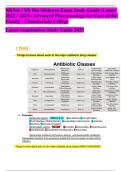
Things to know about each of the major antibiotic drug classes: ● Examples: ○ Bactericidal agents: “BANG Q R.I.P” - Beta-lactams, Aminoglicosides, Nitroimidazoles (Metronidazole), Glycopeptides (Vancomycin), Quinolones, Rifampicin, Polymyxins (Colistin) ○ Bacteriostatic agents: “Ms. Colt” - Macrolides, Sulfonamides, Chloramphenicol, Oxazolidinones, Lincosamides (Clindamycin), Tetracyclines Bactericidal antibiotics kill bacteria directly, and bacteriostatic antibiotics stop/weaken bacteria from enable the immune system to take hold of infection -Things to know about each of the major antibiotic drug classes (MAKE FLASHCARDS) NR566 / NR 566 Midterm Exam Study Guide (Latest 2022 / 2023): Advanced Pharmacology for Care of the Family - Chamberlain College Latest examination Study Guide 2023 ● Aminoglycosides ● Cephalosporins ● Tetracyclines ● Penicillins ● Sulfonamides ● Fluoroquinolones NR566 / NR 566 Midterm Exam Study Guide (Latest 2022 / 2023): Advanced Pharmacology for Care of the Family - Chamberlain College Latest examination Study Guide 2023 ● Macrolides ● Carbapenems ● Lincosamides ● Glycopeptides o Examples o Contraindications and high-risk patients o Know examples of each of the major antibiotic drug classes. o Monitoring needs o Which ones require renal dosing adjustments and how much (i.e., 25%, 50%, etc.) o Patient education o Lifespan considerations including pregnancy o Indications for use Considerations: ● Renal/hepatic function: doses may need to be reduced. Consider creatinine clearance. ● Age: dose adjustments may be required for pediatric and geriatric patients- weight- based may be appropriate. ● Pregnancy and lactation: Be aware of teratogenic effects of certain classes of medications ● Recent antibiotic use: Be aware of possible drug-resistant bacteria ● Exposure history: travel, congregate care settings, close contacts ● Monitoring needs ○ Next, consider the syndrome, or presenting illness. -- What system is impacted? How aggressive is the infection? Consider non-bacterial causes of symptoms (i.e. viral, fungal, or non-infections) Carefully examine the clinical presentation of illness. ● Which ones require renal dosing adjustments and how much (i.e., 25%, 50%, etc.): VII. Precautions: Antibiotics A. Antibiotics that require NO renal dose adjustment 1. Azithromycin 2. Ceftriaxone 3. Clindamycin 4. Doxycyline 5. Linezolid 6. Moxifloxacin 7. Nafcillin 8. Rifampin
Document information
- Uploaded on
- May 21, 2023
- Number of pages
- 78
- Written in
- 2022/2023
- Type
- Exam (elaborations)
- Contains
- Questions & answers


