Chapter 3
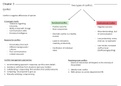
Two types of confl ict:
Conflict
Management:
Conflict is negative differences of opinion
A manager needs:
Functional Conflict Dysfunctional Conflict
- Tolerance regarding
inclusivity - Positive outcome - Negative outcome
- Ability to deal with change - Must compromise
- Communication skills - Misunderstandings, lack
- Emotional intelligence - Deal with conflict in a healthy of communication
manner
- Low productivity, stress,
Reasons for conflict:
- Leads to innovation, mistrust, no teamwork
creativity, productivity
- Personalities that clash
- Low morale, increased
- Different backgrounds /
- Clarification of individual staff turnover
cultures
views (Staff leaving/quitting)
- Poor communication
- Limited resources
Conflict management approaches: Resolving inner conflict:
- Extent of intervention will depend on the intensity of
1. Accommodating approach: cooperate, sacrifice some beliefs the problem
2. Avoidance: withdraw from situations (pick your battles)
3. Collaborating / cooperating: find solutions that satisfy everyone 1. Identify inner conflict
4. Competing: not prepared to give up 2. Refer person to correct department (HR)
5. Mutually satisfying: compromising