BIOD 121 Portage module 4(solved and graded A+)
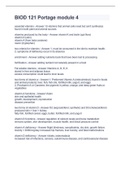
essential vitamins 13 vitamins that animal cells need but can't synthesize found in both plant and animal sources vitamins produced by the body vitamin K and biotin (gut flora) vitamin D (skin) vitamin A (from beta carotene) niacin (tryptophan) 00:05 01:09 two criteria for vitamins 1. must be consumed in the diet to maintain health. 2. symptoms of deficiency occur in its absence enrichment adding nutrients back that have been lost to processing fortification adding nutrient not naturally present in a food Fat soluble vitamins Vitamins A, D, E, K stored in liver and adipose tissue excess consumption could lead to toxic levels two forms of vitamin a 1. Preformed Vitamin A (retinol/retinal), found in foods and animal products: liver, fish, fish oils, fortified milk, yogurt, and eggs 2. Provitamin A or Carotene, the pigment in yellow, orange, and deep green fruits or vegetables vitamin A functions Vision skin and epithelial health growth, development, reproduction disease prevention two forms of vitamin D D2 (ergocalciferol, synthetic) and D3 (cholecalciferol) produced skin liver kidney fatty fish, fortified cereal, eggs, butter, fortified milk, and yogurt vitamin D functions regulation of calcium levels and bone metabolism immune system, skin development, muscle health, and blood pressure control vitamin A deficiency Night blindness, xeropthalmia, dry skin, growth failure toxicity 3000mcg/day increased hip fracture, liver toxicity, and fetal malformations vitamin D deficiency rickets, osteomalacia increased risk of infections, cancers, autoimmune disease, and cardiovascular disease
Document information
- Uploaded on
- August 27, 2022
- Number of pages
- 6
- Written in
- 2022/2023
- Type
- Exam (elaborations)
- Contains
- Questions & answers