Studen
ts
North West
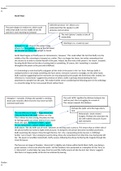
Collective pronoun ‘we’ allows us to
The poem begins in medias res, which could understand that the speaker is with
reflect that Duffy is in the middle of her life someone and not alone
and she is now returning to Liverpool
The verb ‘grieves’ creates a tone of
melancholy
Wanting to re- create her past
However it is we return to the water’s edge
Where that ferry grieves down by the Pier Head,
We do what we always did and get on board
North-West begins as if Duffy were in mid-sentence, ‘However’. This could reflect the fact that Duffy is in the
middle of her life, returning to Liverpool on a whim. This is no longer her home, but rather somewhere that
she returns to in order to remind herself of the past. Indeed, the first verb of the poem is ‘we return’, instantly
focusing North West on the idea of coming back to something. Of course, this ‘something’ is revealed
throughout the poem as the past and childhood.
It is interesting to note that Duffy conjugates all the verbs in the poem in the ‘we’ form. Perhaps Duffy is
stating that this is not simply something she faces alone, everyone is prone to nostalgia. On the other hand,
Duffy could be suggesting that her memories are encompassed by the people she lived them with. Indeed, her
reference to ‘ruined loves’ suggests the presence of others. Duffy is perhaps demonstrating her lost
attachment to people from the past. This makes further sense considering the following poem in the anthology
is a mournful elegy for her now passed friend, Adrian Henri.
Metaphor = romantic. Perhaps the speaker is remising The verb ‘drifts’ signifies the distance between her
about past romantic affairs that she may have had with and her past. She is struggling to recreate it
someone back home This caesura impacts this distance
Perhaps the ‘gulls’ echo the huge silvery
. bird
The city drifts out of reach. A huge silvery bird, Melancholic- death related
A kiss on the lip of the wind, follows our ship. imagery. Perhaps she associates her
This is where we were young, the place no map city with sadness because of past
Or heritage guide can reveal. Only an X on a wave dark memories
Marks the spot, the flowers of litter, a grave
For our ruined loves, unborn children, ghosts.
Duffy places ‘The city drifts out of reach.’ between an end stop and a caesura. This means that on either side of
the phrase Duffy has incited a slight metrical pause. In doing this, the phrase becomes incredibly prominent,
Duffy examining the impact of loss through this line. Her ‘city’, representing all she has lost, is ‘drift[ing]’
further ‘out of reach’. She is losing her past by living, those she remembers from that time now having also left
her. The poem is incredibly melancholic, Duffy caesura following the phrase furthering the tragedy through the
mournful pause.
The focus on an image of freedom, ‘silvery bird’ is slightly out of place within North-West. Duffy, now being a
grown woman, is free to do what she wants. Yet this freedom, here presented as a metaphor for the ‘ferry’ as
a ‘silvery bird’, is what takes her away from her past life. Duffy mourns all she has lost, but ‘silvery’ suggests
that there is a happy quality of life she has achieved by leaving.
Studen
ts
, Studen
ts
Duffy uses transient imagery to focus on the loss of her childhood. The use of ‘X’ draws upon the semantics of
treasure, Duffy suggesting the value of her childhood. Yet, this strange period is located ‘on a wave’, something
that is constantly moving and changing location. This could be emblematic of Duffy’s lost childhood, witnessing
the city but not feeling the same way she did when she was young.
The final image on each line of the asyndetic list focuses on the semantics of death, ‘ghost’, and ‘grave’ both
emphasizing the death of her childhood. Duffy has lost the link she had with the past.
We look back at the skyline wondering what we lost
In the hidden streets, in the rented rooms,
No more than punters now in a tourist boom.
Above our heads the gulls cry yeah yah yeah.
Frets of light on the river. Tearful air.
Indeed, her city has become mysterious, just a ‘skyline’. The places seems so changed that she begins to
wonder ‘what we lost’. Duffy is not sure what she cannot remember because there are now no physical
markers from that time in her life. The city has changed, ‘rented rooms’ and ‘tourist booms’ clogging the once
glorious place of childhood. The rhyme between these phrases ‘rooms’ and ‘booms’ creates a superficiality
that is out of place in the melancholic poem. Duffy is pointing to the ‘tourist’ industry and how they have
ruined the city.
Duffy’s use of ‘yeah yeah yeah’ is a direct reference to the Beetles song ‘She Loves’. The Beatles were from
Liverpool, Duffy associating her childhood with their rising fame.
The final image of the poem is melancholic, ‘tearful air’ being a hypallage. Indeed, ‘tearful’ is referencing Duffy,
not the air. Duffy stares over her city and begins to cry, remembering all she has lost.
Summary
North-West by Carol Ann Duffy is the penultimate poem in Duffy’s Feminine Gospels. The poem explores
nostalgia and the inability to relive the past through a melancholic tone. Duffy focuses on images of change,
‘what we lost’, and things that didn’t work out in her life filling North-West with depressing clarity.
The city has now changed, the streets no longer resembling what she remembered from her childhood. All
those days spent there, ‘ruined loves, unborn children, ghosts’ all become palpable for the poet. The city of
Liverpool comes to embody the past. Duffy feels a deep sense of connection to her city. Yet, she is constantly
drifting away, both physically on the ferry and emotionally over the course of her life. The poem ends on a
solemn note, ‘tearful air’ entirely representing the tone of North West.
Form and Structure
Carol Ann Duffy splits the poem into 14 lines, reflecting a sonnet form. In doing this, Duffy connects with the
tradition of sonnets. This is reflected through the strong emotions within the poem, sonnets often holding
thoughts of love or its loss. In this poem, the extremity of emotion is melancholy, with Duffy reflecting on her
lost past. The structure aids further agency to the writing, drawing upon a historic form to ruminate about the
Studen
ts
ts
North West
Collective pronoun ‘we’ allows us to
The poem begins in medias res, which could understand that the speaker is with
reflect that Duffy is in the middle of her life someone and not alone
and she is now returning to Liverpool
The verb ‘grieves’ creates a tone of
melancholy
Wanting to re- create her past
However it is we return to the water’s edge
Where that ferry grieves down by the Pier Head,
We do what we always did and get on board
North-West begins as if Duffy were in mid-sentence, ‘However’. This could reflect the fact that Duffy is in the
middle of her life, returning to Liverpool on a whim. This is no longer her home, but rather somewhere that
she returns to in order to remind herself of the past. Indeed, the first verb of the poem is ‘we return’, instantly
focusing North West on the idea of coming back to something. Of course, this ‘something’ is revealed
throughout the poem as the past and childhood.
It is interesting to note that Duffy conjugates all the verbs in the poem in the ‘we’ form. Perhaps Duffy is
stating that this is not simply something she faces alone, everyone is prone to nostalgia. On the other hand,
Duffy could be suggesting that her memories are encompassed by the people she lived them with. Indeed, her
reference to ‘ruined loves’ suggests the presence of others. Duffy is perhaps demonstrating her lost
attachment to people from the past. This makes further sense considering the following poem in the anthology
is a mournful elegy for her now passed friend, Adrian Henri.
Metaphor = romantic. Perhaps the speaker is remising The verb ‘drifts’ signifies the distance between her
about past romantic affairs that she may have had with and her past. She is struggling to recreate it
someone back home This caesura impacts this distance
Perhaps the ‘gulls’ echo the huge silvery
. bird
The city drifts out of reach. A huge silvery bird, Melancholic- death related
A kiss on the lip of the wind, follows our ship. imagery. Perhaps she associates her
This is where we were young, the place no map city with sadness because of past
Or heritage guide can reveal. Only an X on a wave dark memories
Marks the spot, the flowers of litter, a grave
For our ruined loves, unborn children, ghosts.
Duffy places ‘The city drifts out of reach.’ between an end stop and a caesura. This means that on either side of
the phrase Duffy has incited a slight metrical pause. In doing this, the phrase becomes incredibly prominent,
Duffy examining the impact of loss through this line. Her ‘city’, representing all she has lost, is ‘drift[ing]’
further ‘out of reach’. She is losing her past by living, those she remembers from that time now having also left
her. The poem is incredibly melancholic, Duffy caesura following the phrase furthering the tragedy through the
mournful pause.
The focus on an image of freedom, ‘silvery bird’ is slightly out of place within North-West. Duffy, now being a
grown woman, is free to do what she wants. Yet this freedom, here presented as a metaphor for the ‘ferry’ as
a ‘silvery bird’, is what takes her away from her past life. Duffy mourns all she has lost, but ‘silvery’ suggests
that there is a happy quality of life she has achieved by leaving.
Studen
ts
, Studen
ts
Duffy uses transient imagery to focus on the loss of her childhood. The use of ‘X’ draws upon the semantics of
treasure, Duffy suggesting the value of her childhood. Yet, this strange period is located ‘on a wave’, something
that is constantly moving and changing location. This could be emblematic of Duffy’s lost childhood, witnessing
the city but not feeling the same way she did when she was young.
The final image on each line of the asyndetic list focuses on the semantics of death, ‘ghost’, and ‘grave’ both
emphasizing the death of her childhood. Duffy has lost the link she had with the past.
We look back at the skyline wondering what we lost
In the hidden streets, in the rented rooms,
No more than punters now in a tourist boom.
Above our heads the gulls cry yeah yah yeah.
Frets of light on the river. Tearful air.
Indeed, her city has become mysterious, just a ‘skyline’. The places seems so changed that she begins to
wonder ‘what we lost’. Duffy is not sure what she cannot remember because there are now no physical
markers from that time in her life. The city has changed, ‘rented rooms’ and ‘tourist booms’ clogging the once
glorious place of childhood. The rhyme between these phrases ‘rooms’ and ‘booms’ creates a superficiality
that is out of place in the melancholic poem. Duffy is pointing to the ‘tourist’ industry and how they have
ruined the city.
Duffy’s use of ‘yeah yeah yeah’ is a direct reference to the Beetles song ‘She Loves’. The Beatles were from
Liverpool, Duffy associating her childhood with their rising fame.
The final image of the poem is melancholic, ‘tearful air’ being a hypallage. Indeed, ‘tearful’ is referencing Duffy,
not the air. Duffy stares over her city and begins to cry, remembering all she has lost.
Summary
North-West by Carol Ann Duffy is the penultimate poem in Duffy’s Feminine Gospels. The poem explores
nostalgia and the inability to relive the past through a melancholic tone. Duffy focuses on images of change,
‘what we lost’, and things that didn’t work out in her life filling North-West with depressing clarity.
The city has now changed, the streets no longer resembling what she remembered from her childhood. All
those days spent there, ‘ruined loves, unborn children, ghosts’ all become palpable for the poet. The city of
Liverpool comes to embody the past. Duffy feels a deep sense of connection to her city. Yet, she is constantly
drifting away, both physically on the ferry and emotionally over the course of her life. The poem ends on a
solemn note, ‘tearful air’ entirely representing the tone of North West.
Form and Structure
Carol Ann Duffy splits the poem into 14 lines, reflecting a sonnet form. In doing this, Duffy connects with the
tradition of sonnets. This is reflected through the strong emotions within the poem, sonnets often holding
thoughts of love or its loss. In this poem, the extremity of emotion is melancholy, with Duffy reflecting on her
lost past. The structure aids further agency to the writing, drawing upon a historic form to ruminate about the
Studen
ts