
nr293
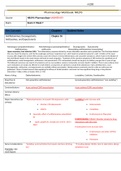
Pharmacology Workbook: NR293
Course NR293: Pharmacology-ANSWER KEY
Exam Exam 3: Week 7
Key Concepts Chapters Student Notes
Antihistamines, Decongestants, Chapter 36
Antitussives, and Expectorants
Adrenergics (sympathomimetics) Anticholinergics (parasympatholytics) Decongestants Expectorants
Antihistamines antiitussive Nonsedating antihistamines (nonsedating)
Upper respiratory tract infection (URI): “The inflammatory response elicited by viruses stimulates excessive mucus production. This fluid drips behind
the nose, down the pharynx, and into the esophagus and lower respiratory tract, which leads to symptoms typical of a cold: Irritation of the nasal
mucosa often triggers the sneeze reflex and also causes the release of several inflammatory and vasoactive substances, which results in the dilation of
the small blood vessels in the nasal sinuses and leads to nasal congestion. Treatment of the common symptoms of URI involves the combined use of
antihistamines, nasal decongestants, antitussives, and expectorants. OTC cold products should not be given to children younger than 2 years of age.
This followed numerous case reports of symptoms such as over-sedation, seizures, tachycardia, and even death in toddlers. There is also evidence that
such medications are simply not effective in small children, and parents are advised to consult their pediatrician. Many antihistamines, nasal
decongestants, antitussives, and expectorants are available without prescription. Herbal products commonly used for colds are echinacea and
goldenseal. There is limited research data regarding the efficacy of herbal products, and some can have significant drug-drug or drug-disease
interactions” (Lilley, Collins, & Snyder, 2014, p. 576)
Name of drug: Diphenhydramine Loratadine, Cetirizine, Fexofenadine
Drug Class & First generation antihistamine/ Second-generation antihistamines (“non-sedating”)
Indication(s)
Contraindications Acute asthma/COPD exacerbation Acute asthma/COPD exacerbation
Common Adverse
Effects
Major Interactions (ex. *Diphenhydramine: increased CNS depression: with: Loratidine levels increase with:
CYP450)
+ Alcohol, CNS depressants + Ketoconazole
+ MAOI’s + Cimetidine
✕ Generally, effect of antihistamines potentiated + Erythromycin & Phenytoin
by
FENOFEXADINE-CYP450!! Monitor closely for drug
✕ apple, grapefruit, orange juice and St. John’s interactions with this med:
Wort
Fenofexadine levels increase with:
+ Erythromycin and other CYP450
inhibitors
+ Phenytoin
Nurse Considerations: *Sedating: avoid activities that require alertness (driving, *If treating allergic rhinitis, best to take before allergy
etc) symptoms occur
(Examples: Age,
renal/hepatic
2/2/22222
,precautions, safety *Avoid alcohol
with administration,
lab monitoring, *Avoid in the elderly
teaching)
*CAUTION: glaucoma, BPH, liver/renal disease
*Freq. mouth care; sugar-free candy or gum
2/23/17 CJR References from the textbook & study guide of: Lilley, L. L., Collins, S. R., Snyder, J. S. (2014). Pharmacology & the Nursing Process, 7th Edition. Mosby
Name of drug: Pseudoephedrine Fluticasone nasal spray
Phenylephrine nasal spray
Drug Class & Sympathomimetics/ adrenergic Corticosteroid topical
Indication(s)
Contraindications: Avoid in uncontrolled hypertension, CAD, dysrhythmias, Avoided with nasal bleeding
hyperthyroidism
Common Adverse NASAL SPRAY: Don’t use for > 2 to 3 days, or may develop Nasal bleeding or local nasal irritation from using any
Effects REBOUND NASAL CONGESTION! type of nasal medication
NASAL SPRAY: Don’t expect very much “systemic”
absorption of this drug, but SOME patients may get SNS
adverse effects if too much is used.
* THINK STIMULATION OF SYMPATHETIC NERVOUS
SYSTEM! (Fight or flight!)
Major Interactions
Nurse Considerations: Discuss the stimulation of the sympathetic nervous teach correct nasal medication technique
system with patient, assess vital signs carefully
Takes about 1 week to be fully effective.
Avoid caffeine.
Nasal rebound is biggest teaching point; also teach
correct nasal medication technique
Name of drug: Dextromethorphan Guaifenesin
Benzonatate
Codeine or Hydrocodone (combination products)
Drug Class & Antitussives/ Dry or non-productive cough Expectorant/
indication(S)
Productive cough: helps to thin secretions
Contraindications
1
2/23/17 CJR References from the textbook & study guide of: Lilley, L. L., Collins, S. R., Snyder, J. S. (2014). Pharmacology & the Nursing Process, 7th Edition. Mosby
, Common Adverse Sedation, dizzy, nausea/vomiting/constipation Sedation, dizzy, and nausea
Effects
Major Interactions
Nurse Considerations: DEXTROMETHORPHAN: Potential for abuse when *Increase fluid intake, unless fluid restrictions
consumed in large quantities (esp.teenagers)
(Examples: Age, * OTC meds are meant for short-term use only
renal/hepatic OTC meds are meant for short-term use only
precautions, safe
administration, lab OPIOID COUGH SYRUPS: Potential for abuse.
monitoring, patient
Teach safety- no driving, no alcohol, avoid other
teaching)
sedatives; nausea and constipation are more common
with opioids.CAUTION: elderly, increased risk of falls or
drop in BP
Key Concepts Chapters Student Notes
Respiratory Drugs Chapter 37
BOX 37-2 CLASSIFICATIONS OF DRUGS USED TO TREAT ASTHMA
Long-Term Control
Leukotriene receptor antagonists
Mast cell stabilizers
Inhaled corticosteroids
Anticholinergic agents
Long-acting beta2 agonists (LABA)
Theophylline
Long-acting beta2 agonists in combination with inhaled corticosteroids
Quick Relief
Intravenous systemic corticosteroids
Short-acting inhaled beta2 agonists (rescue agents)
Lilley, Linda L., Shelly Collins, Julie Snyder. Pharmacology and the Nursing Process, 7th Edition. Mosby, 2013. Lilley 590)
.Name of drug Albuterol Ipratropium / Tiotropium (Long-acting)
Drug Class & Beta agonist/ Bronchodilator-quick acting/ Rescue Anticholinergic/ ASTHMA/COPD CONTROLLER
Indication(s) therapy
Contraindications
Common Adverse STIMULATION OF SYMPATHETIC NERVOUS SYSTEM! ANTCHOLINERIC ADVERSE EFFECTS:
2
2/23/17 CJR References from the textbook & study guide of: Lilley, L. L., Collins, S. R., Snyder, J. S. (2014). Pharmacology & the Nursing Process, 7th Edition. Mosby
Pharmacology Workbook: NR293
Course NR293: Pharmacology-ANSWER KEY
Exam Exam 3: Week 7
Key Concepts Chapters Student Notes
Antihistamines, Decongestants, Chapter 36
Antitussives, and Expectorants
Adrenergics (sympathomimetics) Anticholinergics (parasympatholytics) Decongestants Expectorants
Antihistamines antiitussive Nonsedating antihistamines (nonsedating)
Upper respiratory tract infection (URI): “The inflammatory response elicited by viruses stimulates excessive mucus production. This fluid drips behind
the nose, down the pharynx, and into the esophagus and lower respiratory tract, which leads to symptoms typical of a cold: Irritation of the nasal
mucosa often triggers the sneeze reflex and also causes the release of several inflammatory and vasoactive substances, which results in the dilation of
the small blood vessels in the nasal sinuses and leads to nasal congestion. Treatment of the common symptoms of URI involves the combined use of
antihistamines, nasal decongestants, antitussives, and expectorants. OTC cold products should not be given to children younger than 2 years of age.
This followed numerous case reports of symptoms such as over-sedation, seizures, tachycardia, and even death in toddlers. There is also evidence that
such medications are simply not effective in small children, and parents are advised to consult their pediatrician. Many antihistamines, nasal
decongestants, antitussives, and expectorants are available without prescription. Herbal products commonly used for colds are echinacea and
goldenseal. There is limited research data regarding the efficacy of herbal products, and some can have significant drug-drug or drug-disease
interactions” (Lilley, Collins, & Snyder, 2014, p. 576)
Name of drug: Diphenhydramine Loratadine, Cetirizine, Fexofenadine
Drug Class & First generation antihistamine/ Second-generation antihistamines (“non-sedating”)
Indication(s)
Contraindications Acute asthma/COPD exacerbation Acute asthma/COPD exacerbation
Common Adverse
Effects
Major Interactions (ex. *Diphenhydramine: increased CNS depression: with: Loratidine levels increase with:
CYP450)
+ Alcohol, CNS depressants + Ketoconazole
+ MAOI’s + Cimetidine
✕ Generally, effect of antihistamines potentiated + Erythromycin & Phenytoin
by
FENOFEXADINE-CYP450!! Monitor closely for drug
✕ apple, grapefruit, orange juice and St. John’s interactions with this med:
Wort
Fenofexadine levels increase with:
+ Erythromycin and other CYP450
inhibitors
+ Phenytoin
Nurse Considerations: *Sedating: avoid activities that require alertness (driving, *If treating allergic rhinitis, best to take before allergy
etc) symptoms occur
(Examples: Age,
renal/hepatic
2/2/22222
,precautions, safety *Avoid alcohol
with administration,
lab monitoring, *Avoid in the elderly
teaching)
*CAUTION: glaucoma, BPH, liver/renal disease
*Freq. mouth care; sugar-free candy or gum
2/23/17 CJR References from the textbook & study guide of: Lilley, L. L., Collins, S. R., Snyder, J. S. (2014). Pharmacology & the Nursing Process, 7th Edition. Mosby
Name of drug: Pseudoephedrine Fluticasone nasal spray
Phenylephrine nasal spray
Drug Class & Sympathomimetics/ adrenergic Corticosteroid topical
Indication(s)
Contraindications: Avoid in uncontrolled hypertension, CAD, dysrhythmias, Avoided with nasal bleeding
hyperthyroidism
Common Adverse NASAL SPRAY: Don’t use for > 2 to 3 days, or may develop Nasal bleeding or local nasal irritation from using any
Effects REBOUND NASAL CONGESTION! type of nasal medication
NASAL SPRAY: Don’t expect very much “systemic”
absorption of this drug, but SOME patients may get SNS
adverse effects if too much is used.
* THINK STIMULATION OF SYMPATHETIC NERVOUS
SYSTEM! (Fight or flight!)
Major Interactions
Nurse Considerations: Discuss the stimulation of the sympathetic nervous teach correct nasal medication technique
system with patient, assess vital signs carefully
Takes about 1 week to be fully effective.
Avoid caffeine.
Nasal rebound is biggest teaching point; also teach
correct nasal medication technique
Name of drug: Dextromethorphan Guaifenesin
Benzonatate
Codeine or Hydrocodone (combination products)
Drug Class & Antitussives/ Dry or non-productive cough Expectorant/
indication(S)
Productive cough: helps to thin secretions
Contraindications
1
2/23/17 CJR References from the textbook & study guide of: Lilley, L. L., Collins, S. R., Snyder, J. S. (2014). Pharmacology & the Nursing Process, 7th Edition. Mosby
, Common Adverse Sedation, dizzy, nausea/vomiting/constipation Sedation, dizzy, and nausea
Effects
Major Interactions
Nurse Considerations: DEXTROMETHORPHAN: Potential for abuse when *Increase fluid intake, unless fluid restrictions
consumed in large quantities (esp.teenagers)
(Examples: Age, * OTC meds are meant for short-term use only
renal/hepatic OTC meds are meant for short-term use only
precautions, safe
administration, lab OPIOID COUGH SYRUPS: Potential for abuse.
monitoring, patient
Teach safety- no driving, no alcohol, avoid other
teaching)
sedatives; nausea and constipation are more common
with opioids.CAUTION: elderly, increased risk of falls or
drop in BP
Key Concepts Chapters Student Notes
Respiratory Drugs Chapter 37
BOX 37-2 CLASSIFICATIONS OF DRUGS USED TO TREAT ASTHMA
Long-Term Control
Leukotriene receptor antagonists
Mast cell stabilizers
Inhaled corticosteroids
Anticholinergic agents
Long-acting beta2 agonists (LABA)
Theophylline
Long-acting beta2 agonists in combination with inhaled corticosteroids
Quick Relief
Intravenous systemic corticosteroids
Short-acting inhaled beta2 agonists (rescue agents)
Lilley, Linda L., Shelly Collins, Julie Snyder. Pharmacology and the Nursing Process, 7th Edition. Mosby, 2013. Lilley 590)
.Name of drug Albuterol Ipratropium / Tiotropium (Long-acting)
Drug Class & Beta agonist/ Bronchodilator-quick acting/ Rescue Anticholinergic/ ASTHMA/COPD CONTROLLER
Indication(s) therapy
Contraindications
Common Adverse STIMULATION OF SYMPATHETIC NERVOUS SYSTEM! ANTCHOLINERIC ADVERSE EFFECTS:
2
2/23/17 CJR References from the textbook & study guide of: Lilley, L. L., Collins, S. R., Snyder, J. S. (2014). Pharmacology & the Nursing Process, 7th Edition. Mosby


