
OneNote 22/10/2021, 13:16
1 CHEMICAL SYNAPSES
Monday, 11 October 2021 13:34
Learning objective SynBio1: Chemical synapses
• Four different types of synapses and their predicted reliability
• Synaptic probability, synaptic failures
• Short lived and long lived changes in synaptic probability
Differences in "release probability" play an important role in the ability of the brain to process
information and to store/retrieve it ...and are explained by morphological and functional
differences between synapses and their ability to adjust
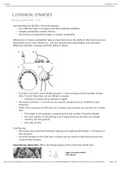
• In B and C we have a more reliable synapse -> one receiving cell with multiple release
sites, if one of those fails, we can still get a synapse
○ Likeliness of vesicle being released is higher
• We need all of them -> A and D are very specific synapses (not so reliable but very
selective)
• MOST of the synapses of CNS have 1or 2 release sites max (we can see them as a darker
line)
○ The length of the synapses is proportional to the number of vesicles docked
○ Not very reliable in transmitting a lot of signal (because we have not enough
vesicles), but very specific
○ See calyx of held
Conditioning:
• We create new connections between ingoing and outgoing information -> formation of
new synapses
• Since the synapses in the CNS have 1 release site we need to make these connections
using existing synapses
Coincidence detection
detection:: When two things happen at the same time all the time
https://onenote.officeapps.live.com/o/onenoteframe.aspx?ui=es-ES…fcb-e0425d96d8a7&sftc=1&wdredirectionreason=Force_SingleStepBoot Page 1 of 4
, OneNote 22/10/2021, 13:16
• Release probability: very few synapses are reliable (look at the graph, the release
probability in 0.8 or 1 has a very very small number of boutons)
○ We can change this with stimulation
• Remember we can shift the pattern of the action potential vesicle release
• Note that muscular junctions have a lot of release sites (they hardly
ever fail)
https://onenote.officeapps.live.com/o/onenoteframe.aspx?ui=es-ES…fcb-e0425d96d8a7&sftc=1&wdredirectionreason=Force_SingleStepBoot Page 2 of 4


