Chapter 1 Microbiology
PageTest
1 ofbank.pdfPage
2210/20/2026https://www.stuvia.com/user/????????????????????"OP@)(@)(*#@(#*@#&*$^&)(*@)$*$(&(Y&*&%Y&*(@)&$(&%*&%*&(&%@&*($#(*&98oChapter
Page11ofof2210/20/2026https://www.stuvia.com/user/????????????????????"OP@)(@)(*#@(#*@#&*$^&)(*@)$*$(&(Y&*&%Y&*(@)&$(&%*&%*&(&%@&*($#(*&98oChapter
2210/20/2026https://www.stuvia.com/user/????????????????????"OP@)(@)(*#@(#*@#&*$^&)(*@)$*$(&(Y&*&%Y&*(@)&$(&%*&%*&(&%@&*($#(*&98oChapter
1 Microbiology Test
11Microbiology
bank.pdf10/20/2026,
MicrobiologyTest
Testbank.pdf10/20/2026,
bank.pdf10/20/2026,
4:09:33 AM 4:09:33
4:09:33AM
AM
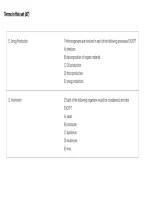
Terms in this set (67)
E. Smog Production 1) Microorganisms are involved in each of the following processes EXCEPT
A) infection.
B) decomposition of organic material.
C) O2 production.
D) food production.
E) smog production.
D. Mushroom 2) Each of the following organisms would be considered a microbe
EXCEPT
A) yeast.
B) protozoan.
C) bacterium.
D) mushroom.
E) virus.
Page 1 of 2210/20/2026https://www.stuvia.com/user/????????????????????"OP@)(@)(*#@(#*@#&*$^&)(*@)$*$(&(Y&*&%Y&*(@)&$(&%*&%*&(&%@&*($#(*&98oChapter
Page 1 of 2210/20/2026https://www.stuvia.com/user/????????????????????"OP@)(@)(*#@(#*@#&*$^&)(*@)$*$(&(Y&*&%Y&*(@)&$(&%*&%*&(&%@&*($#(*&98oChapter
Page 1 of 2210/20/2026https://www.stuvia.com/user/????????????????????"OP@)(@)(*#@(#*@#&*$^&)(*@)$*$(&(Y&*&%Y&*(@)&$(&%*&%*&(&%@&*($#(*&98oChapter
1 Microbiology Test1bank.pdf10/20/2026,
Microbiology Test1bank.pdf10/20/2026,
Microbiology
4:09:33 AM Test bank.pdf10/20/2026,
4:09:33 AM 4:09:33 AM
,Chapter 1 Microbiology
PageTest
2 ofbank.pdfPage
2210/20/2026https://www.stuvia.com/user/????????????????????"OP@)(@)(*#@(#*@#&*$^&)(*@)$*$(&(Y&*&%Y&*(@)&$(&%*&%*&(&%@&*($#(*&98oChapter
Page22ofof2210/20/2026https://www.stuvia.com/user/????????????????????"OP@)(@)(*#@(#*@#&*$^&)(*@)$*$(&(Y&*&%Y&*(@)&$(&%*&%*&(&%@&*($#(*&98oChapter
2210/20/2026https://www.stuvia.com/user/????????????????????"OP@)(@)(*#@(#*@#&*$^&)(*@)$*$(&(Y&*&%Y&*(@)&$(&%*&%*&(&%@&*($#(*&98oChapter
1 Microbiology Test
11Microbiology
bank.pdf10/20/2026,
MicrobiologyTest
Testbank.pdf10/20/2026,
bank.pdf10/20/2026,
4:09:33 AM 4:09:33
4:09:33AM
AM
D. Pathogen 3) The term used to describe a disease-causing microorganism is
A) microbe.
B) bacterium.
C) virus.
D) pathogen.
E) infection.
E. riboflavin, acetone and insulin 4) Common commercial benefits of microorganisms include synthesis of
A) riboflavin.
B) acetone.
C) insulin.
D) aspirin.
E) riboflavin, acetone and insulin.
Page 2 of 2210/20/2026https://www.stuvia.com/user/????????????????????"OP@)(@)(*#@(#*@#&*$^&)(*@)$*$(&(Y&*&%Y&*(@)&$(&%*&%*&(&%@&*($#(*&98oChapter
Page 2 of 2210/20/2026https://www.stuvia.com/user/????????????????????"OP@)(@)(*#@(#*@#&*$^&)(*@)$*$(&(Y&*&%Y&*(@)&$(&%*&%*&(&%@&*($#(*&98oChapter
Page 2 of 2210/20/2026https://www.stuvia.com/user/????????????????????"OP@)(@)(*#@(#*@#&*$^&)(*@)$*$(&(Y&*&%Y&*(@)&$(&%*&%*&(&%@&*($#(*&98oChapter
1 Microbiology Test1bank.pdf10/20/2026,
Microbiology Test1bank.pdf10/20/2026,
Microbiology
4:09:33 AM Test bank.pdf10/20/2026,
4:09:33 AM 4:09:33 AM
, Chapter 1 Microbiology
PageTest
3 ofbank.pdfPage
2210/20/2026https://www.stuvia.com/user/????????????????????"OP@)(@)(*#@(#*@#&*$^&)(*@)$*$(&(Y&*&%Y&*(@)&$(&%*&%*&(&%@&*($#(*&98oChapter
Page33ofof2210/20/2026https://www.stuvia.com/user/????????????????????"OP@)(@)(*#@(#*@#&*$^&)(*@)$*$(&(Y&*&%Y&*(@)&$(&%*&%*&(&%@&*($#(*&98oChapter
2210/20/2026https://www.stuvia.com/user/????????????????????"OP@)(@)(*#@(#*@#&*$^&)(*@)$*$(&(Y&*&%Y&*(@)&$(&%*&%*&(&%@&*($#(*&98oChapter
1 Microbiology Test
11Microbiology
bank.pdf10/20/2026,
MicrobiologyTest
Testbank.pdf10/20/2026,
bank.pdf10/20/2026,
4:09:33 AM 4:09:33
4:09:33AM
AM
A. enzymes 5) Commercial utilization of microbial products has become increasingly
popular due to their environmentally friendly nature. Production of these
products which are readily degraded and, thus, non-toxic typically utilizes
A) enzymes.
B) organic acids.
C) organic solvents.
D) soap.
E) alcohol.
D. Carolus Linnaeus 6) The formal system for classifying and naming organisms was developed
by
A) Robert Koch.
B) Ignaz Semmelweis.
C) Aristotle.
D) Carolus Linnaeus.
E) Louis Pasteur.
Trichoderma fungus Enzymes used to soften and fade denim by digesting some of the
cellulose in cotton
Page 3 of 2210/20/2026https://www.stuvia.com/user/????????????????????"OP@)(@)(*#@(#*@#&*$^&)(*@)$*$(&(Y&*&%Y&*(@)&$(&%*&%*&(&%@&*($#(*&98oChapter
Page 3 of 2210/20/2026https://www.stuvia.com/user/????????????????????"OP@)(@)(*#@(#*@#&*$^&)(*@)$*$(&(Y&*&%Y&*(@)&$(&%*&%*&(&%@&*($#(*&98oChapter
Page 3 of 2210/20/2026https://www.stuvia.com/user/????????????????????"OP@)(@)(*#@(#*@#&*$^&)(*@)$*$(&(Y&*&%Y&*(@)&$(&%*&%*&(&%@&*($#(*&98oChapter
1 Microbiology Test1bank.pdf10/20/2026,
Microbiology Test1bank.pdf10/20/2026,
Microbiology
4:09:33 AM Test bank.pdf10/20/2026,
4:09:33 AM 4:09:33 AM
PageTest
1 ofbank.pdfPage
2210/20/2026https://www.stuvia.com/user/????????????????????"OP@)(@)(*#@(#*@#&*$^&)(*@)$*$(&(Y&*&%Y&*(@)&$(&%*&%*&(&%@&*($#(*&98oChapter
Page11ofof2210/20/2026https://www.stuvia.com/user/????????????????????"OP@)(@)(*#@(#*@#&*$^&)(*@)$*$(&(Y&*&%Y&*(@)&$(&%*&%*&(&%@&*($#(*&98oChapter
2210/20/2026https://www.stuvia.com/user/????????????????????"OP@)(@)(*#@(#*@#&*$^&)(*@)$*$(&(Y&*&%Y&*(@)&$(&%*&%*&(&%@&*($#(*&98oChapter
1 Microbiology Test
11Microbiology
bank.pdf10/20/2026,
MicrobiologyTest
Testbank.pdf10/20/2026,
bank.pdf10/20/2026,
4:09:33 AM 4:09:33
4:09:33AM
AM
Terms in this set (67)
E. Smog Production 1) Microorganisms are involved in each of the following processes EXCEPT
A) infection.
B) decomposition of organic material.
C) O2 production.
D) food production.
E) smog production.
D. Mushroom 2) Each of the following organisms would be considered a microbe
EXCEPT
A) yeast.
B) protozoan.
C) bacterium.
D) mushroom.
E) virus.
Page 1 of 2210/20/2026https://www.stuvia.com/user/????????????????????"OP@)(@)(*#@(#*@#&*$^&)(*@)$*$(&(Y&*&%Y&*(@)&$(&%*&%*&(&%@&*($#(*&98oChapter
Page 1 of 2210/20/2026https://www.stuvia.com/user/????????????????????"OP@)(@)(*#@(#*@#&*$^&)(*@)$*$(&(Y&*&%Y&*(@)&$(&%*&%*&(&%@&*($#(*&98oChapter
Page 1 of 2210/20/2026https://www.stuvia.com/user/????????????????????"OP@)(@)(*#@(#*@#&*$^&)(*@)$*$(&(Y&*&%Y&*(@)&$(&%*&%*&(&%@&*($#(*&98oChapter
1 Microbiology Test1bank.pdf10/20/2026,
Microbiology Test1bank.pdf10/20/2026,
Microbiology
4:09:33 AM Test bank.pdf10/20/2026,
4:09:33 AM 4:09:33 AM
,Chapter 1 Microbiology
PageTest
2 ofbank.pdfPage
2210/20/2026https://www.stuvia.com/user/????????????????????"OP@)(@)(*#@(#*@#&*$^&)(*@)$*$(&(Y&*&%Y&*(@)&$(&%*&%*&(&%@&*($#(*&98oChapter
Page22ofof2210/20/2026https://www.stuvia.com/user/????????????????????"OP@)(@)(*#@(#*@#&*$^&)(*@)$*$(&(Y&*&%Y&*(@)&$(&%*&%*&(&%@&*($#(*&98oChapter
2210/20/2026https://www.stuvia.com/user/????????????????????"OP@)(@)(*#@(#*@#&*$^&)(*@)$*$(&(Y&*&%Y&*(@)&$(&%*&%*&(&%@&*($#(*&98oChapter
1 Microbiology Test
11Microbiology
bank.pdf10/20/2026,
MicrobiologyTest
Testbank.pdf10/20/2026,
bank.pdf10/20/2026,
4:09:33 AM 4:09:33
4:09:33AM
AM
D. Pathogen 3) The term used to describe a disease-causing microorganism is
A) microbe.
B) bacterium.
C) virus.
D) pathogen.
E) infection.
E. riboflavin, acetone and insulin 4) Common commercial benefits of microorganisms include synthesis of
A) riboflavin.
B) acetone.
C) insulin.
D) aspirin.
E) riboflavin, acetone and insulin.
Page 2 of 2210/20/2026https://www.stuvia.com/user/????????????????????"OP@)(@)(*#@(#*@#&*$^&)(*@)$*$(&(Y&*&%Y&*(@)&$(&%*&%*&(&%@&*($#(*&98oChapter
Page 2 of 2210/20/2026https://www.stuvia.com/user/????????????????????"OP@)(@)(*#@(#*@#&*$^&)(*@)$*$(&(Y&*&%Y&*(@)&$(&%*&%*&(&%@&*($#(*&98oChapter
Page 2 of 2210/20/2026https://www.stuvia.com/user/????????????????????"OP@)(@)(*#@(#*@#&*$^&)(*@)$*$(&(Y&*&%Y&*(@)&$(&%*&%*&(&%@&*($#(*&98oChapter
1 Microbiology Test1bank.pdf10/20/2026,
Microbiology Test1bank.pdf10/20/2026,
Microbiology
4:09:33 AM Test bank.pdf10/20/2026,
4:09:33 AM 4:09:33 AM
, Chapter 1 Microbiology
PageTest
3 ofbank.pdfPage
2210/20/2026https://www.stuvia.com/user/????????????????????"OP@)(@)(*#@(#*@#&*$^&)(*@)$*$(&(Y&*&%Y&*(@)&$(&%*&%*&(&%@&*($#(*&98oChapter
Page33ofof2210/20/2026https://www.stuvia.com/user/????????????????????"OP@)(@)(*#@(#*@#&*$^&)(*@)$*$(&(Y&*&%Y&*(@)&$(&%*&%*&(&%@&*($#(*&98oChapter
2210/20/2026https://www.stuvia.com/user/????????????????????"OP@)(@)(*#@(#*@#&*$^&)(*@)$*$(&(Y&*&%Y&*(@)&$(&%*&%*&(&%@&*($#(*&98oChapter
1 Microbiology Test
11Microbiology
bank.pdf10/20/2026,
MicrobiologyTest
Testbank.pdf10/20/2026,
bank.pdf10/20/2026,
4:09:33 AM 4:09:33
4:09:33AM
AM
A. enzymes 5) Commercial utilization of microbial products has become increasingly
popular due to their environmentally friendly nature. Production of these
products which are readily degraded and, thus, non-toxic typically utilizes
A) enzymes.
B) organic acids.
C) organic solvents.
D) soap.
E) alcohol.
D. Carolus Linnaeus 6) The formal system for classifying and naming organisms was developed
by
A) Robert Koch.
B) Ignaz Semmelweis.
C) Aristotle.
D) Carolus Linnaeus.
E) Louis Pasteur.
Trichoderma fungus Enzymes used to soften and fade denim by digesting some of the
cellulose in cotton
Page 3 of 2210/20/2026https://www.stuvia.com/user/????????????????????"OP@)(@)(*#@(#*@#&*$^&)(*@)$*$(&(Y&*&%Y&*(@)&$(&%*&%*&(&%@&*($#(*&98oChapter
Page 3 of 2210/20/2026https://www.stuvia.com/user/????????????????????"OP@)(@)(*#@(#*@#&*$^&)(*@)$*$(&(Y&*&%Y&*(@)&$(&%*&%*&(&%@&*($#(*&98oChapter
Page 3 of 2210/20/2026https://www.stuvia.com/user/????????????????????"OP@)(@)(*#@(#*@#&*$^&)(*@)$*$(&(Y&*&%Y&*(@)&$(&%*&%*&(&%@&*($#(*&98oChapter
1 Microbiology Test1bank.pdf10/20/2026,
Microbiology Test1bank.pdf10/20/2026,
Microbiology
4:09:33 AM Test bank.pdf10/20/2026,
4:09:33 AM 4:09:33 AM