Page 1 of 710/20/2026https://www.stuvia.com/user/????????????????????"OP@)(@)(*#@(#*@#&*$^&)(*@)$*$(&(Y&*&%Y&*(@)&$(&%*&%*&(&%@&*($#(*&98oIntroduction
Page 1 of 710/20/2026https://www.stuvia.com/user/????????????????????"OP@)(@)(*#@(#*@#&*$^&)(*@)$*$(&(Y&*&%Y&*(@)&$(&%*&%*&(&%@&*($#(*&98oIntroduction
Page 1 of 710/20/2026https://www.stuvia.com/user/????????????????????"OP@)(@)(*#@(#*@#&*$^&)(*@)$*$(&(Y&*&%Y&*(@)&$(&%*&%*&(&%@&*($#(*&98oIntroduction
to Microbiology_ Microorganisms,
to Cell
Microbiology_
Types, andMicroorganisms,
Disease.pdf10/20/2026,
to Cell
Microbiology_
Types,
4:09:33
andMicroorganisms,
Disease.pdf10/20/2026,
AM Cell Types,
4:09:33
and Disease.pdf10/20/2026,
AM 4:09:33 AM
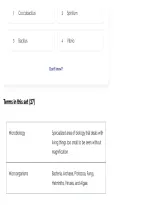
1 Coccobacillus 2 Spirillum
3 Bacillus 4 Vibrio
Don't know?
Terms in this set (27)
Microbiology Specialized area of biology that deals with
living things too small to be seen without
magnification.
Microorganisms Bacteria, Archaea, Protozoa, Fungi,
Helminths, Viruses, and Algae.
Introduction to Microbiology_ Microorganisms,
Page 1 of 710/20/2026https://www.stuvia.com/user/????????????????????"OP@)(@)(*#@(#*@#&*$^&)(*@)$*$(&(Y&*&%Y&*(@)&$(&%*&%*&(&%@&*($#(*&98oIntroduction
Cell Types, and Disease.pdfPage
Page 1 of 710/20/2026https://www.stuvia.com/user/????????????????????"OP@)(@)(*#@(#*@#&*$^&)(*@)$*$(&(Y&*&%Y&*(@)&$(&%*&%*&(&%@&*($#(*&98oIntroduction
1 of 710/20/2026https://www.stuvia.com/user/????????????????????"OP@)(@)(*#@(#*@#&*$^&)(*@)$*$(&(Y&*&%Y&*(@)&$(&%*&%*&(&%@&*($#(*&98oIntroduction
to Microbiology_ Microorganisms,
to Cell
Microbiology_
Types,
to Microbiology_
andMicroorganisms,
Disease.pdf10/20/2026,
Microorganisms,
Cell Types,
4:09:33
Cell
and Types,
Disease.pdf10/20/2026,
AM and Disease.pdf10/20/2026,
4:09:33 AM4:09:33 A
, Page 2 of 710/20/2026https://www.stuvia.com/user/????????????????????"OP@)(@)(*#@(#*@#&*$^&)(*@)$*$(&(Y&*&%Y&*(@)&$(&%*&%*&(&%@&*($#(*&98oIntroduction
Page 2 of 710/20/2026https://www.stuvia.com/user/????????????????????"OP@)(@)(*#@(#*@#&*$^&)(*@)$*$(&(Y&*&%Y&*(@)&$(&%*&%*&(&%@&*($#(*&98oIntroduction
Page 2 of 710/20/2026https://www.stuvia.com/user/????????????????????"OP@)(@)(*#@(#*@#&*$^&)(*@)$*$(&(Y&*&%Y&*(@)&$(&%*&%*&(&%@&*($#(*&98oIntroduction
to Microbiology_ Microorganisms,
to Cell
Microbiology_
Types, andMicroorganisms,
Disease.pdf10/20/2026,
to Cell
Microbiology_
Types,
4:09:33
andMicroorganisms,
Disease.pdf10/20/2026,
AM Cell Types,
4:09:33
and Disease.pdf10/20/2026,
AM 4:09:33 AM
Normal Biota Microorganisms found in or on the human
body that do not cause harm (most are
beneficial to us).
Pathogens Microorganisms known to cause disease.
Prokaryotic Cells Lack membrane bound organelles,
smaller, mainly bacteria.
Eukaryotic Cells Have membrane bound organelles (e.g.,
nucleus, golgi apparatus, mitochondria
etc.), larger, consist of most other cell
types (animal, plant, fungi, protozoa etc.).
Introduction to Microbiology_ Microorganisms,
Page 2 of 710/20/2026https://www.stuvia.com/user/????????????????????"OP@)(@)(*#@(#*@#&*$^&)(*@)$*$(&(Y&*&%Y&*(@)&$(&%*&%*&(&%@&*($#(*&98oIntroduction
Cell Types, and Disease.pdfPage
Page 2 of 710/20/2026https://www.stuvia.com/user/????????????????????"OP@)(@)(*#@(#*@#&*$^&)(*@)$*$(&(Y&*&%Y&*(@)&$(&%*&%*&(&%@&*($#(*&98oIntroduction
2 of 710/20/2026https://www.stuvia.com/user/????????????????????"OP@)(@)(*#@(#*@#&*$^&)(*@)$*$(&(Y&*&%Y&*(@)&$(&%*&%*&(&%@&*($#(*&98oIntroduction
to Microbiology_ Microorganisms,
to Cell
Microbiology_
Types,
to Microbiology_
andMicroorganisms,
Disease.pdf10/20/2026,
Microorganisms,
Cell Types,
4:09:33
Cell
and Types,
Disease.pdf10/20/2026,
AM and Disease.pdf10/20/2026,
4:09:33 AM4:09:33 A
Page 1 of 710/20/2026https://www.stuvia.com/user/????????????????????"OP@)(@)(*#@(#*@#&*$^&)(*@)$*$(&(Y&*&%Y&*(@)&$(&%*&%*&(&%@&*($#(*&98oIntroduction
Page 1 of 710/20/2026https://www.stuvia.com/user/????????????????????"OP@)(@)(*#@(#*@#&*$^&)(*@)$*$(&(Y&*&%Y&*(@)&$(&%*&%*&(&%@&*($#(*&98oIntroduction
to Microbiology_ Microorganisms,
to Cell
Microbiology_
Types, andMicroorganisms,
Disease.pdf10/20/2026,
to Cell
Microbiology_
Types,
4:09:33
andMicroorganisms,
Disease.pdf10/20/2026,
AM Cell Types,
4:09:33
and Disease.pdf10/20/2026,
AM 4:09:33 AM
1 Coccobacillus 2 Spirillum
3 Bacillus 4 Vibrio
Don't know?
Terms in this set (27)
Microbiology Specialized area of biology that deals with
living things too small to be seen without
magnification.
Microorganisms Bacteria, Archaea, Protozoa, Fungi,
Helminths, Viruses, and Algae.
Introduction to Microbiology_ Microorganisms,
Page 1 of 710/20/2026https://www.stuvia.com/user/????????????????????"OP@)(@)(*#@(#*@#&*$^&)(*@)$*$(&(Y&*&%Y&*(@)&$(&%*&%*&(&%@&*($#(*&98oIntroduction
Cell Types, and Disease.pdfPage
Page 1 of 710/20/2026https://www.stuvia.com/user/????????????????????"OP@)(@)(*#@(#*@#&*$^&)(*@)$*$(&(Y&*&%Y&*(@)&$(&%*&%*&(&%@&*($#(*&98oIntroduction
1 of 710/20/2026https://www.stuvia.com/user/????????????????????"OP@)(@)(*#@(#*@#&*$^&)(*@)$*$(&(Y&*&%Y&*(@)&$(&%*&%*&(&%@&*($#(*&98oIntroduction
to Microbiology_ Microorganisms,
to Cell
Microbiology_
Types,
to Microbiology_
andMicroorganisms,
Disease.pdf10/20/2026,
Microorganisms,
Cell Types,
4:09:33
Cell
and Types,
Disease.pdf10/20/2026,
AM and Disease.pdf10/20/2026,
4:09:33 AM4:09:33 A
, Page 2 of 710/20/2026https://www.stuvia.com/user/????????????????????"OP@)(@)(*#@(#*@#&*$^&)(*@)$*$(&(Y&*&%Y&*(@)&$(&%*&%*&(&%@&*($#(*&98oIntroduction
Page 2 of 710/20/2026https://www.stuvia.com/user/????????????????????"OP@)(@)(*#@(#*@#&*$^&)(*@)$*$(&(Y&*&%Y&*(@)&$(&%*&%*&(&%@&*($#(*&98oIntroduction
Page 2 of 710/20/2026https://www.stuvia.com/user/????????????????????"OP@)(@)(*#@(#*@#&*$^&)(*@)$*$(&(Y&*&%Y&*(@)&$(&%*&%*&(&%@&*($#(*&98oIntroduction
to Microbiology_ Microorganisms,
to Cell
Microbiology_
Types, andMicroorganisms,
Disease.pdf10/20/2026,
to Cell
Microbiology_
Types,
4:09:33
andMicroorganisms,
Disease.pdf10/20/2026,
AM Cell Types,
4:09:33
and Disease.pdf10/20/2026,
AM 4:09:33 AM
Normal Biota Microorganisms found in or on the human
body that do not cause harm (most are
beneficial to us).
Pathogens Microorganisms known to cause disease.
Prokaryotic Cells Lack membrane bound organelles,
smaller, mainly bacteria.
Eukaryotic Cells Have membrane bound organelles (e.g.,
nucleus, golgi apparatus, mitochondria
etc.), larger, consist of most other cell
types (animal, plant, fungi, protozoa etc.).
Introduction to Microbiology_ Microorganisms,
Page 2 of 710/20/2026https://www.stuvia.com/user/????????????????????"OP@)(@)(*#@(#*@#&*$^&)(*@)$*$(&(Y&*&%Y&*(@)&$(&%*&%*&(&%@&*($#(*&98oIntroduction
Cell Types, and Disease.pdfPage
Page 2 of 710/20/2026https://www.stuvia.com/user/????????????????????"OP@)(@)(*#@(#*@#&*$^&)(*@)$*$(&(Y&*&%Y&*(@)&$(&%*&%*&(&%@&*($#(*&98oIntroduction
2 of 710/20/2026https://www.stuvia.com/user/????????????????????"OP@)(@)(*#@(#*@#&*$^&)(*@)$*$(&(Y&*&%Y&*(@)&$(&%*&%*&(&%@&*($#(*&98oIntroduction
to Microbiology_ Microorganisms,
to Cell
Microbiology_
Types,
to Microbiology_
andMicroorganisms,
Disease.pdf10/20/2026,
Microorganisms,
Cell Types,
4:09:33
Cell
and Types,
Disease.pdf10/20/2026,
AM and Disease.pdf10/20/2026,
4:09:33 AM4:09:33 A