Microbiology Key Concepts_ Pathogens,
Page 1 of
Microbes,
2010/20/2026https://www.stuvia.com/user/????????????????????"OP@)(@)(*#@(#*@#&*$^&)(*@)$*$(&(Y&*&%Y&*(@)&$(&%*&%*&(&%@&*($#(*&98oMicrobiology
and TreatmentsPage
Page 1 1ofof2010/20/2026https://www.stuvia.com/user/????????????????????"OP@)(@)(*#@(#*@#&*$^&)(*@)$*$(&(Y&*&%Y&*(@)&$(&%*&%*&(&%@&*($#(*&98oMicrobiology
2010/20/2026https://www.stuvia.com/user/????????????????????"OP@)(@)(*#@(#*@#&*$^&)(*@)$*$(&(Y&*&%Y&*(@)&$(&%*&%*&(&%@&*($#(*&98oMicrobiology
Key Concepts_ Pathogens, Microbes,
Key
KeyConcepts_
and
Concepts_
Treatments.pdf10/20/2026,
Pathogens,
Pathogens,Microbes,
Microbes,
4:09:33
and
andTreatments.pdf10/20/2026,
Treatments.pdf10/20/2026,
AM 4:09:33
4:09:33AM
AM
MSA is selective for Streptococcus fermentation.
and differential for hemolysis.
Don't know?
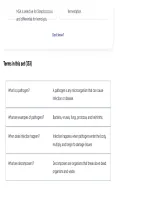
Terms in this set (133)
What is a pathogen? A pathogen is any microorganism that can cause
infection or disease.
What are examples of pathogens? Bacteria, viruses, fungi, protozoa, and helminths.
When does infection happen? Infection happens when pathogens enter the body,
multiply, and begin to damage tissues.
What are decomposers? Decomposers are organisms that break down dead
organisms and waste.
10/20/2026, 4:13:18 AMPage 1 ofPage
2010/20/2026https://www.stuvia.com/user/????????????????????"OP@)(@)(*#@(#*@#&*$^&)(*@)$*$(&(Y&*&%Y&*(@)&$(&%*&%*&(&%@&*($#(*&98oMicrobiology
1 of 2010/20/2026https://www.stuvia.com/user/????????????????????"OP@)(@)(*#@(#*@#&*$^&)(*@)$*$(&(Y&*&%Y&*(@)&$(&%*&%*&(&%@&*($#(*&98oMicrobiology
Page 1 of 2010/20/2026https://www.stuvia.com/user/????????????????????"OP@)(@)(*#@(#*@#&*$^&)(*@)$*$(&(Y&*&%Y&*(@)&$(&%*&%*&(&%@&*($#(*&98oMicrobiology
Key Concepts_
Key Concepts_
Pathogens,
Pathogens,
Microbes,Microbes,
andKey
Treatments.pdf10/20/2026,
Concepts_
and Treatments.pdf10/20/2026,
Pathogens, Microbes,
4:09:33 AM
4:09:33
and Treatments.pdf10/20/2026,
AM 4:09:33 AM
,Microbiology Key Concepts_ Pathogens,
Page 2 of
Microbes,
2010/20/2026https://www.stuvia.com/user/????????????????????"OP@)(@)(*#@(#*@#&*$^&)(*@)$*$(&(Y&*&%Y&*(@)&$(&%*&%*&(&%@&*($#(*&98oMicrobiology
and TreatmentsPage
Page 2 2ofof2010/20/2026https://www.stuvia.com/user/????????????????????"OP@)(@)(*#@(#*@#&*$^&)(*@)$*$(&(Y&*&%Y&*(@)&$(&%*&%*&(&%@&*($#(*&98oMicrobiology
2010/20/2026https://www.stuvia.com/user/????????????????????"OP@)(@)(*#@(#*@#&*$^&)(*@)$*$(&(Y&*&%Y&*(@)&$(&%*&%*&(&%@&*($#(*&98oMicrobiology
Key Concepts_ Pathogens, Microbes,
Key
KeyConcepts_
and
Concepts_
Treatments.pdf10/20/2026,
Pathogens,
Pathogens,Microbes,
Microbes,
4:09:33
and
andTreatments.pdf10/20/2026,
Treatments.pdf10/20/2026,
AM 4:09:33
4:09:33AM
AM
What are saprobes? Saprobes are microbes that feed on dead organic
matter.
Why are saprobes important? They recycle nutrients back into the environment.
What is genetic engineering? Genetic engineering is changing or manipulating an
organism's DNA.
Why is genetic engineering used? It is used to make useful products, like insulin,
vaccines, or genetically modified organisms.
What is biotechnology? Biotechnology is using living organisms or microbes
to make useful products for humans.
What are examples of biotechnology? Vaccines, antibiotics, insulin, food production, and
genetic testing.
What is the taxonomic hierarchy in Domain, Kingdom, Phylum, Class, Order, Family,
order? Genus, Species.
10/20/2026, 4:13:18 AMPage 2 ofPage
2010/20/2026https://www.stuvia.com/user/????????????????????"OP@)(@)(*#@(#*@#&*$^&)(*@)$*$(&(Y&*&%Y&*(@)&$(&%*&%*&(&%@&*($#(*&98oMicrobiology
2 of 2010/20/2026https://www.stuvia.com/user/????????????????????"OP@)(@)(*#@(#*@#&*$^&)(*@)$*$(&(Y&*&%Y&*(@)&$(&%*&%*&(&%@&*($#(*&98oMicrobiology
Page 2 of 2010/20/2026https://www.stuvia.com/user/????????????????????"OP@)(@)(*#@(#*@#&*$^&)(*@)$*$(&(Y&*&%Y&*(@)&$(&%*&%*&(&%@&*($#(*&98oMicrobiology
Key Concepts_
Key Concepts_
Pathogens,
Pathogens,
Microbes,Microbes,
andKey
Treatments.pdf10/20/2026,
Concepts_
and Treatments.pdf10/20/2026,
Pathogens, Microbes,
4:09:33 AM
4:09:33
and Treatments.pdf10/20/2026,
AM 4:09:33 AM
, Microbiology Key Concepts_ Pathogens,
Page 3 of
Microbes,
2010/20/2026https://www.stuvia.com/user/????????????????????"OP@)(@)(*#@(#*@#&*$^&)(*@)$*$(&(Y&*&%Y&*(@)&$(&%*&%*&(&%@&*($#(*&98oMicrobiology
and TreatmentsPage
Page 3 3ofof2010/20/2026https://www.stuvia.com/user/????????????????????"OP@)(@)(*#@(#*@#&*$^&)(*@)$*$(&(Y&*&%Y&*(@)&$(&%*&%*&(&%@&*($#(*&98oMicrobiology
2010/20/2026https://www.stuvia.com/user/????????????????????"OP@)(@)(*#@(#*@#&*$^&)(*@)$*$(&(Y&*&%Y&*(@)&$(&%*&%*&(&%@&*($#(*&98oMicrobiology
Key Concepts_ Pathogens, Microbes,
Key
KeyConcepts_
and
Concepts_
Treatments.pdf10/20/2026,
Pathogens,
Pathogens,Microbes,
Microbes,
4:09:33
and
andTreatments.pdf10/20/2026,
Treatments.pdf10/20/2026,
AM 4:09:33
4:09:33AM
AM
What is binomial nomenclature? Binomial nomenclature is the two-name system used
to name organisms.
What two names are used in binomial Genus and species.
nomenclature?
What are prokaryotes? Prokaryotes are cells that do not have a nucleus.
What do prokaryotes have instead of Their DNA is located in an area called the nucleoid.
a nucleus?
What is a microbe? A microbe is a tiny living organism that usually needs
a microscope to be seen.
What is bioremediation? Bioremediation is using microbes to clean up
pollution or toxic waste.
What are the Six I's of studying Inoculation, incubation, isolation, inspection,
microbiology? information gathering, and identification.
10/20/2026, 4:13:18 AMPage 3 ofPage
2010/20/2026https://www.stuvia.com/user/????????????????????"OP@)(@)(*#@(#*@#&*$^&)(*@)$*$(&(Y&*&%Y&*(@)&$(&%*&%*&(&%@&*($#(*&98oMicrobiology
3 of 2010/20/2026https://www.stuvia.com/user/????????????????????"OP@)(@)(*#@(#*@#&*$^&)(*@)$*$(&(Y&*&%Y&*(@)&$(&%*&%*&(&%@&*($#(*&98oMicrobiology
Page 3 of 2010/20/2026https://www.stuvia.com/user/????????????????????"OP@)(@)(*#@(#*@#&*$^&)(*@)$*$(&(Y&*&%Y&*(@)&$(&%*&%*&(&%@&*($#(*&98oMicrobiology
Key Concepts_
Key Concepts_
Pathogens,
Pathogens,
Microbes,Microbes,
andKey
Treatments.pdf10/20/2026,
Concepts_
and Treatments.pdf10/20/2026,
Pathogens, Microbes,
4:09:33 AM
4:09:33
and Treatments.pdf10/20/2026,
AM 4:09:33 AM