Page 1 of 1710/20/2026https://www.stuvia.com/user/????????????????????"OP@)(@)(*#@(#*@#&*$^&)(*@)$*$(&(Y&*&%Y&*(@)&$(&%*&%*&(&%@&*($#(*&98oMICROBIOLOGY
Page 1 of 1710/20/2026https://www.stuvia.com/user/????????????????????"OP@)(@)(*#@(#*@#&*$^&)(*@)$*$(&(Y&*&%Y&*(@)&$(&%*&%*&(&%@&*($#(*&98oMICROBIOLOGY
Page 1 of 1710/20/2026https://www.stuvia.com/user/????????????????????"OP@)(@)(*#@(#*@#&*$^&)(*@)$*$(&(Y&*&%Y&*(@)&$(&%*&%*&(&%@&*($#(*&98oMICROBIOLOGY
- bacterial differentiation
- bacterial differentiation
- bacterial
1 and 2.pdf10/20/2026,
differentiation
1 and 2.pdf10/20/2026,
1 and
4:09:33
2.pdf10/20/2026,
AM4:09:33 AM4:09:33 AM
How to distinguish between different
2
bacteria?
3 What is selective media? 4 what are the 3 types of haemolysis?
Don't know?
Terms in this set (43)
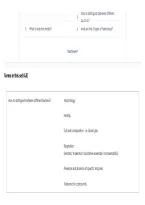
How to distinguish between different bacteria? Morphology.
Motility.
Cell wall composition - i.e. Gram type.
Respiration.
(Aerobic/ Anaerobic/ facultative anaerobe/ microaerophilic)
Presence and absence of specific enzymes
Tolerance to compounds .
MICROBIOLOGY
Page 1 -ofbacterial
1710/20/2026https://www.stuvia.com/user/????????????????????"OP@)(@)(*#@(#*@#&*$^&)(*@)$*$(&(Y&*&%Y&*(@)&$(&%*&%*&(&%@&*($#(*&98oMICROBIOLOGY
Page 1differentiation
of 1710/20/2026https://www.stuvia.com/user/????????????????????"OP@)(@)(*#@(#*@#&*$^&)(*@)$*$(&(Y&*&%Y&*(@)&$(&%*&%*&(&%@&*($#(*&98oMICROBIOLOGY
1 and 2.pdfPage 1 of 1710/20/2026https://www.stuvia.com/user/????????????????????"OP@)(@)(*#@(#*@#&*$^&)(*@)$*$(&(Y&*&%Y&*(@)&$(&%*&%*&(&%@&*($#(*&98oMICROBIOLOGY
- bacterial differentiation
- bacterial differentiation
1 and 2.pdf10/20/2026,
1 and 2.pdf10/20/2026,
- bacterial
4:09:33differentiation
AM4:09:33 AM1 and 2.pdf1
,Page 2 of 1710/20/2026https://www.stuvia.com/user/????????????????????"OP@)(@)(*#@(#*@#&*$^&)(*@)$*$(&(Y&*&%Y&*(@)&$(&%*&%*&(&%@&*($#(*&98oMICROBIOLOGY
Page 2 of 1710/20/2026https://www.stuvia.com/user/????????????????????"OP@)(@)(*#@(#*@#&*$^&)(*@)$*$(&(Y&*&%Y&*(@)&$(&%*&%*&(&%@&*($#(*&98oMICROBIOLOGY
Page 2 of 1710/20/2026https://www.stuvia.com/user/????????????????????"OP@)(@)(*#@(#*@#&*$^&)(*@)$*$(&(Y&*&%Y&*(@)&$(&%*&%*&(&%@&*($#(*&98oMICROBIOLOGY
- bacterial differentiation
- bacterial differentiation
- bacterial
1 and 2.pdf10/20/2026,
differentiation
1 and 2.pdf10/20/2026,
1 and
4:09:33
2.pdf10/20/2026,
AM4:09:33 AM4:09:33 AM
what are API tests strips? combine a number of biochemical tests & extensive data base for interpretation
test for the presence of different enzymes or if they can ferment certain sugars
what are common tests? •Haemolysis
•Catalase Test
•Oxidase Test
•Coagulase Test
•Urease Test
•Fermentation Assays
MICROBIOLOGY
Page 2 -ofbacterial
1710/20/2026https://www.stuvia.com/user/????????????????????"OP@)(@)(*#@(#*@#&*$^&)(*@)$*$(&(Y&*&%Y&*(@)&$(&%*&%*&(&%@&*($#(*&98oMICROBIOLOGY
Page 2differentiation
of 1710/20/2026https://www.stuvia.com/user/????????????????????"OP@)(@)(*#@(#*@#&*$^&)(*@)$*$(&(Y&*&%Y&*(@)&$(&%*&%*&(&%@&*($#(*&98oMICROBIOLOGY
1 and 2.pdfPage 2 of 1710/20/2026https://www.stuvia.com/user/????????????????????"OP@)(@)(*#@(#*@#&*$^&)(*@)$*$(&(Y&*&%Y&*(@)&$(&%*&%*&(&%@&*($#(*&98oMICROBIOLOGY
- bacterial differentiation
- bacterial differentiation
1 and 2.pdf10/20/2026,
1 and 2.pdf10/20/2026,
- bacterial
4:09:33differentiation
AM4:09:33 AM1 and 2.pdf1
, Page 3 of 1710/20/2026https://www.stuvia.com/user/????????????????????"OP@)(@)(*#@(#*@#&*$^&)(*@)$*$(&(Y&*&%Y&*(@)&$(&%*&%*&(&%@&*($#(*&98oMICROBIOLOGY
Page 3 of 1710/20/2026https://www.stuvia.com/user/????????????????????"OP@)(@)(*#@(#*@#&*$^&)(*@)$*$(&(Y&*&%Y&*(@)&$(&%*&%*&(&%@&*($#(*&98oMICROBIOLOGY
Page 3 of 1710/20/2026https://www.stuvia.com/user/????????????????????"OP@)(@)(*#@(#*@#&*$^&)(*@)$*$(&(Y&*&%Y&*(@)&$(&%*&%*&(&%@&*($#(*&98oMICROBIOLOGY
- bacterial differentiation
- bacterial differentiation
- bacterial
1 and 2.pdf10/20/2026,
differentiation
1 and 2.pdf10/20/2026,
1 and
4:09:33
2.pdf10/20/2026,
AM4:09:33 AM4:09:33 AM
what is haemolysis used to assess? assess the ability of bacteria to lyse erythrocytes to access iron.
use a blood agar (enriched medium)
what are the 3 types of haemolysis? Alpha - incomplete produces green zone of lysis.
Beta - complete destruction clear zone of lysis.
Gamma - absence of any haemolysis.
MICROBIOLOGY
Page 3 -ofbacterial
1710/20/2026https://www.stuvia.com/user/????????????????????"OP@)(@)(*#@(#*@#&*$^&)(*@)$*$(&(Y&*&%Y&*(@)&$(&%*&%*&(&%@&*($#(*&98oMICROBIOLOGY
Page 3differentiation
of 1710/20/2026https://www.stuvia.com/user/????????????????????"OP@)(@)(*#@(#*@#&*$^&)(*@)$*$(&(Y&*&%Y&*(@)&$(&%*&%*&(&%@&*($#(*&98oMICROBIOLOGY
1 and 2.pdfPage 3 of 1710/20/2026https://www.stuvia.com/user/????????????????????"OP@)(@)(*#@(#*@#&*$^&)(*@)$*$(&(Y&*&%Y&*(@)&$(&%*&%*&(&%@&*($#(*&98oMICROBIOLOGY
- bacterial differentiation
- bacterial differentiation
1 and 2.pdf10/20/2026,
1 and 2.pdf10/20/2026,
- bacterial
4:09:33differentiation
AM4:09:33 AM1 and 2.pdf1
Page 1 of 1710/20/2026https://www.stuvia.com/user/????????????????????"OP@)(@)(*#@(#*@#&*$^&)(*@)$*$(&(Y&*&%Y&*(@)&$(&%*&%*&(&%@&*($#(*&98oMICROBIOLOGY
Page 1 of 1710/20/2026https://www.stuvia.com/user/????????????????????"OP@)(@)(*#@(#*@#&*$^&)(*@)$*$(&(Y&*&%Y&*(@)&$(&%*&%*&(&%@&*($#(*&98oMICROBIOLOGY
- bacterial differentiation
- bacterial differentiation
- bacterial
1 and 2.pdf10/20/2026,
differentiation
1 and 2.pdf10/20/2026,
1 and
4:09:33
2.pdf10/20/2026,
AM4:09:33 AM4:09:33 AM
How to distinguish between different
2
bacteria?
3 What is selective media? 4 what are the 3 types of haemolysis?
Don't know?
Terms in this set (43)
How to distinguish between different bacteria? Morphology.
Motility.
Cell wall composition - i.e. Gram type.
Respiration.
(Aerobic/ Anaerobic/ facultative anaerobe/ microaerophilic)
Presence and absence of specific enzymes
Tolerance to compounds .
MICROBIOLOGY
Page 1 -ofbacterial
1710/20/2026https://www.stuvia.com/user/????????????????????"OP@)(@)(*#@(#*@#&*$^&)(*@)$*$(&(Y&*&%Y&*(@)&$(&%*&%*&(&%@&*($#(*&98oMICROBIOLOGY
Page 1differentiation
of 1710/20/2026https://www.stuvia.com/user/????????????????????"OP@)(@)(*#@(#*@#&*$^&)(*@)$*$(&(Y&*&%Y&*(@)&$(&%*&%*&(&%@&*($#(*&98oMICROBIOLOGY
1 and 2.pdfPage 1 of 1710/20/2026https://www.stuvia.com/user/????????????????????"OP@)(@)(*#@(#*@#&*$^&)(*@)$*$(&(Y&*&%Y&*(@)&$(&%*&%*&(&%@&*($#(*&98oMICROBIOLOGY
- bacterial differentiation
- bacterial differentiation
1 and 2.pdf10/20/2026,
1 and 2.pdf10/20/2026,
- bacterial
4:09:33differentiation
AM4:09:33 AM1 and 2.pdf1
,Page 2 of 1710/20/2026https://www.stuvia.com/user/????????????????????"OP@)(@)(*#@(#*@#&*$^&)(*@)$*$(&(Y&*&%Y&*(@)&$(&%*&%*&(&%@&*($#(*&98oMICROBIOLOGY
Page 2 of 1710/20/2026https://www.stuvia.com/user/????????????????????"OP@)(@)(*#@(#*@#&*$^&)(*@)$*$(&(Y&*&%Y&*(@)&$(&%*&%*&(&%@&*($#(*&98oMICROBIOLOGY
Page 2 of 1710/20/2026https://www.stuvia.com/user/????????????????????"OP@)(@)(*#@(#*@#&*$^&)(*@)$*$(&(Y&*&%Y&*(@)&$(&%*&%*&(&%@&*($#(*&98oMICROBIOLOGY
- bacterial differentiation
- bacterial differentiation
- bacterial
1 and 2.pdf10/20/2026,
differentiation
1 and 2.pdf10/20/2026,
1 and
4:09:33
2.pdf10/20/2026,
AM4:09:33 AM4:09:33 AM
what are API tests strips? combine a number of biochemical tests & extensive data base for interpretation
test for the presence of different enzymes or if they can ferment certain sugars
what are common tests? •Haemolysis
•Catalase Test
•Oxidase Test
•Coagulase Test
•Urease Test
•Fermentation Assays
MICROBIOLOGY
Page 2 -ofbacterial
1710/20/2026https://www.stuvia.com/user/????????????????????"OP@)(@)(*#@(#*@#&*$^&)(*@)$*$(&(Y&*&%Y&*(@)&$(&%*&%*&(&%@&*($#(*&98oMICROBIOLOGY
Page 2differentiation
of 1710/20/2026https://www.stuvia.com/user/????????????????????"OP@)(@)(*#@(#*@#&*$^&)(*@)$*$(&(Y&*&%Y&*(@)&$(&%*&%*&(&%@&*($#(*&98oMICROBIOLOGY
1 and 2.pdfPage 2 of 1710/20/2026https://www.stuvia.com/user/????????????????????"OP@)(@)(*#@(#*@#&*$^&)(*@)$*$(&(Y&*&%Y&*(@)&$(&%*&%*&(&%@&*($#(*&98oMICROBIOLOGY
- bacterial differentiation
- bacterial differentiation
1 and 2.pdf10/20/2026,
1 and 2.pdf10/20/2026,
- bacterial
4:09:33differentiation
AM4:09:33 AM1 and 2.pdf1
, Page 3 of 1710/20/2026https://www.stuvia.com/user/????????????????????"OP@)(@)(*#@(#*@#&*$^&)(*@)$*$(&(Y&*&%Y&*(@)&$(&%*&%*&(&%@&*($#(*&98oMICROBIOLOGY
Page 3 of 1710/20/2026https://www.stuvia.com/user/????????????????????"OP@)(@)(*#@(#*@#&*$^&)(*@)$*$(&(Y&*&%Y&*(@)&$(&%*&%*&(&%@&*($#(*&98oMICROBIOLOGY
Page 3 of 1710/20/2026https://www.stuvia.com/user/????????????????????"OP@)(@)(*#@(#*@#&*$^&)(*@)$*$(&(Y&*&%Y&*(@)&$(&%*&%*&(&%@&*($#(*&98oMICROBIOLOGY
- bacterial differentiation
- bacterial differentiation
- bacterial
1 and 2.pdf10/20/2026,
differentiation
1 and 2.pdf10/20/2026,
1 and
4:09:33
2.pdf10/20/2026,
AM4:09:33 AM4:09:33 AM
what is haemolysis used to assess? assess the ability of bacteria to lyse erythrocytes to access iron.
use a blood agar (enriched medium)
what are the 3 types of haemolysis? Alpha - incomplete produces green zone of lysis.
Beta - complete destruction clear zone of lysis.
Gamma - absence of any haemolysis.
MICROBIOLOGY
Page 3 -ofbacterial
1710/20/2026https://www.stuvia.com/user/????????????????????"OP@)(@)(*#@(#*@#&*$^&)(*@)$*$(&(Y&*&%Y&*(@)&$(&%*&%*&(&%@&*($#(*&98oMICROBIOLOGY
Page 3differentiation
of 1710/20/2026https://www.stuvia.com/user/????????????????????"OP@)(@)(*#@(#*@#&*$^&)(*@)$*$(&(Y&*&%Y&*(@)&$(&%*&%*&(&%@&*($#(*&98oMICROBIOLOGY
1 and 2.pdfPage 3 of 1710/20/2026https://www.stuvia.com/user/????????????????????"OP@)(@)(*#@(#*@#&*$^&)(*@)$*$(&(Y&*&%Y&*(@)&$(&%*&%*&(&%@&*($#(*&98oMICROBIOLOGY
- bacterial differentiation
- bacterial differentiation
1 and 2.pdf10/20/2026,
1 and 2.pdf10/20/2026,
- bacterial
4:09:33differentiation
AM4:09:33 AM1 and 2.pdf1