
Page
Page
1Page
of1710/13/2026,
of1710/13/2026,
of 710/13/2026,
1:58:15
1:58:15
1:58:15
AMNSG4330
AMNSG4330
AMNSG4330
- Midterm
- Midterm
- Midterm
#1(*((&#*!(*#*($$(*($(*$Y(&*&$(*)&*)((&$*^$&*&$
#1(*((&#*!(*#*($$(*($(*$Y(&*&$(*)&*)((&$*^$&*&$
#1(*((&#*!(*#*($$(*($(*$Y(&*&$(*)&*)((&$*^$&*&$
(&*$
(&*$
**F
(&*$
**F
VJyvhjbnoP+_IREOLKDJ(UWRORWUOI
**F
VJyvhjbnoP+_IREOLKDJ(UWRORWUOI
VJyvhjbnoP+_IREOLKDJ(UWRORWUOI
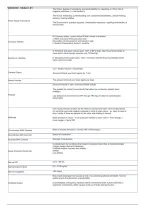
NSG4330 - Midterm #1 The Client: degree of complexity and predictability (i.e. teaching vs. ICU), risk of
negative outcomes (++ risk factors?)
The Nurse: leadership (understanding own competencies/abilities), critical thinking,
decision making abilities
Three Factor Framework
The Environment: practice supports, consultation resources, stability/predictability of
environment
Rt Coronary Artery: covers entire Rt side, circles to posterior
Lt Main Coronary Artery branches into:
Coronary Arteries Circumflex: circles posterior and lateral Lt side
Lt Anterior Descending: feeds Lt ventricle
S: Pulmonic and aortic valves open, "lub". If BP is high, heart must work harder to
close aortic valve (usually requires only 120mmHg).
Systole vs. Diastole D: Bicuspid and tricuspid open, "dub". Coronary arteries fill during diastole (while
aortic valve is closed)
CO = Stroke Volume x Heart Rate
Cardiac Output Amount of blood your body ejects for 1 min
Stroke Volume The amount of blood your body ejects per beat
Amount of blood in your ventricles before systole
The greater the stretch (more blood) the better the contraction (elastic band
analogy).
Preload
Low preload could be from low BP (though HR may increase to compensate),
dehydration
How much pressure it takes for the heart to contract and open valve to eject blood
(Lt ventricle must push against pressure in aorta to open valve... ex. easy to open a
door, harder if there are people on the other side holding it closed).
Afterload More pressure in aorta = more pressure needed to open valve = more energy =
more oxygen = faster HR
Chronotropic ANS Controls Rate of impulse formation, controls HR (cHRonitropic)
Dromotropic ANS Controls Speed of conduction
Inotropic ANS Controls Strength of contraction
Umbrella term for conditions that result in decrease blood flow to heart/prolonged
oxygen suplpy+demand imbalance
Unstable Angina (moreso than stable)
Acute Coronary Syndrome STEMI
non-STEMI
Normal CK 22 to 198 U/L
Normal troponin level 0.0 - 0.10 ng/mL
Normal myoglobin <90 mcg/L
New onset chest pain that occurs at rest or is worsening without cell death. Can be
stable angina that becomes unpredictable.
Unstable Angina Unpredictable, emergency situation where overworked heart muscle switches to
anaerobic metabolism, which causes build up of lactic acid (and pain).
Page
Page
1NSG4330
of1710/13/2026,
of 710/13/2026,
- Midterm
1:58:15
#1.pdfPage
1:58:15
AMNSG4330
AMNSG4330
1 of 710/13/2026,
- Midterm
- Midterm
#1(*((&#*!(*#*($$(*($(*$Y(&*&$(*)&*)((&$*^$&*&$
1:58:15
#1(*((&#*!(*#*($$(*($(*$Y(&*&$(*)&*)((&$*^$&*&$
AMNSG4330 - Midterm #1(*((&#*!(*#*($$(*($(*$Y(&*&$(*)&*)((&$*^$&*&$
(&*$
(&*$
**F**F
VJyvhjbnoP+_IREOLKDJ(UWRORWUOI
VJyvhjbnoP+_IREOLKDJ(UWRORWUOI
(&*$ **F VJyvhjbnoP+_IRE
, Page
Page
2Page
of2710/13/2026,
of2710/13/2026,
of 710/13/2026,
1:58:15
1:58:15
1:58:15
AMNSG4330
AMNSG4330
AMNSG4330
- Midterm
- Midterm
- Midterm
#1(*((&#*!(*#*($$(*($(*$Y(&*&$(*)&*)((&$*^$&*&$
#1(*((&#*!(*#*($$(*($(*$Y(&*&$(*)&*)((&$*^$&*&$
#1(*((&#*!(*#*($$(*($(*$Y(&*&$(*)&*)((&$*^$&*&$
(&*$
(&*$
**F
(&*$
**F
VJyvhjbnoP+_IREOLKDJ(UWRORWUOI
**F
VJyvhjbnoP+_IREOLKDJ(UWRORWUOI
VJyvhjbnoP+_IREOLKDJ(UWRORWUOI
NSG4330 - Midterm #1 Unstable angina that becomes predictable. Chronic discomfort without cell death.
Stable Angina Precipitated by extreme emotion, temp, eating, exercise.
MONA (morphine, O2, nitro, ASA/plavix)
O2 if <94%
Vitals
NSG Management of ACS ECG
Pain management, nitro (vasodilator, drops pressure), morphine prn
Onset within 10 seconds, working cells remain viable for 20min.
Myocardial Ischemia Reversible.
All classified of Lt side (i.e. inferior is inf Lt)
Classifications of myocardial Infarctions Can be: anterior, inferior, lateral, posterior
R/t: based on coronary circulation (rt or lt)
Decreases workload of the heart
Nitroglycerine Coronary artery vasodilation
Decreases HR, BP and contractility
Beta Blockers i.e. propanolol, atenolol
Decrease HR (by delaying repolarization + QT), workload of heart and increase CA
Calcium Channel Blocker perfusion
Aspirin to prevent aggregation
Antiplatelets/Anticoagulants Heparin to prevent formation of new clots
ACE Inhibitor Decrease peripheral vascular resistance (vasodilation, decr BP)
SA Node
Atrias
AV Node
Electrical Pathway of the Heart Ventricles
Purkinje Fibres
Automaticity, 60-100 bpm
SNS controls rate of SA node as needed (i.e. speeds up when running to class,
SA Node slows down when sleeping)
Back up generator to SA Node, 40-60 bpm
AV Node Lower rate so it does not compete with SA Node
Last resort if SA Node and AV Node nonfunctional
Purkinje Fibres Rate of 20-40 bpm
Stimulation phase, +90V
Straight up on graph
Action Potential: Depolarization Gates open while Na pours in and K flows out
Plateau while electrolytes move (i.e. Ca+)
Downwards slope while Na/K pump resets ion positioning through active transport
Action Potential: Repolarization
Deflection of movement up (+ve) or down (-ve) from baseline
ECG Waveforms All in relation to movement towards or away from the positive lead.
Lead I: - +, G
Lead II: - G, +
ECG Leads Lead III: G -, +
P Wave Impulse through atria, depolarization phase
Page
Page
2NSG4330
of2710/13/2026,
of 710/13/2026,
- Midterm
1:58:15
#1.pdfPage
1:58:15
AMNSG4330
AMNSG4330
2 of 710/13/2026,
- Midterm
- Midterm
#1(*((&#*!(*#*($$(*($(*$Y(&*&$(*)&*)((&$*^$&*&$
1:58:15
#1(*((&#*!(*#*($$(*($(*$Y(&*&$(*)&*)((&$*^$&*&$
AMNSG4330 - Midterm #1(*((&#*!(*#*($$(*($(*$Y(&*&$(*)&*)((&$*^$&*&$
(&*$
(&*$
**F**F
VJyvhjbnoP+_IREOLKDJ(UWRORWUOI
VJyvhjbnoP+_IREOLKDJ(UWRORWUOI
(&*$ **F VJyvhjbnoP+_IRE
Page
1Page
of1710/13/2026,
of1710/13/2026,
of 710/13/2026,
1:58:15
1:58:15
1:58:15
AMNSG4330
AMNSG4330
AMNSG4330
- Midterm
- Midterm
- Midterm
#1(*((&#*!(*#*($$(*($(*$Y(&*&$(*)&*)((&$*^$&*&$
#1(*((&#*!(*#*($$(*($(*$Y(&*&$(*)&*)((&$*^$&*&$
#1(*((&#*!(*#*($$(*($(*$Y(&*&$(*)&*)((&$*^$&*&$
(&*$
(&*$
**F
(&*$
**F
VJyvhjbnoP+_IREOLKDJ(UWRORWUOI
**F
VJyvhjbnoP+_IREOLKDJ(UWRORWUOI
VJyvhjbnoP+_IREOLKDJ(UWRORWUOI
NSG4330 - Midterm #1 The Client: degree of complexity and predictability (i.e. teaching vs. ICU), risk of
negative outcomes (++ risk factors?)
The Nurse: leadership (understanding own competencies/abilities), critical thinking,
decision making abilities
Three Factor Framework
The Environment: practice supports, consultation resources, stability/predictability of
environment
Rt Coronary Artery: covers entire Rt side, circles to posterior
Lt Main Coronary Artery branches into:
Coronary Arteries Circumflex: circles posterior and lateral Lt side
Lt Anterior Descending: feeds Lt ventricle
S: Pulmonic and aortic valves open, "lub". If BP is high, heart must work harder to
close aortic valve (usually requires only 120mmHg).
Systole vs. Diastole D: Bicuspid and tricuspid open, "dub". Coronary arteries fill during diastole (while
aortic valve is closed)
CO = Stroke Volume x Heart Rate
Cardiac Output Amount of blood your body ejects for 1 min
Stroke Volume The amount of blood your body ejects per beat
Amount of blood in your ventricles before systole
The greater the stretch (more blood) the better the contraction (elastic band
analogy).
Preload
Low preload could be from low BP (though HR may increase to compensate),
dehydration
How much pressure it takes for the heart to contract and open valve to eject blood
(Lt ventricle must push against pressure in aorta to open valve... ex. easy to open a
door, harder if there are people on the other side holding it closed).
Afterload More pressure in aorta = more pressure needed to open valve = more energy =
more oxygen = faster HR
Chronotropic ANS Controls Rate of impulse formation, controls HR (cHRonitropic)
Dromotropic ANS Controls Speed of conduction
Inotropic ANS Controls Strength of contraction
Umbrella term for conditions that result in decrease blood flow to heart/prolonged
oxygen suplpy+demand imbalance
Unstable Angina (moreso than stable)
Acute Coronary Syndrome STEMI
non-STEMI
Normal CK 22 to 198 U/L
Normal troponin level 0.0 - 0.10 ng/mL
Normal myoglobin <90 mcg/L
New onset chest pain that occurs at rest or is worsening without cell death. Can be
stable angina that becomes unpredictable.
Unstable Angina Unpredictable, emergency situation where overworked heart muscle switches to
anaerobic metabolism, which causes build up of lactic acid (and pain).
Page
Page
1NSG4330
of1710/13/2026,
of 710/13/2026,
- Midterm
1:58:15
#1.pdfPage
1:58:15
AMNSG4330
AMNSG4330
1 of 710/13/2026,
- Midterm
- Midterm
#1(*((&#*!(*#*($$(*($(*$Y(&*&$(*)&*)((&$*^$&*&$
1:58:15
#1(*((&#*!(*#*($$(*($(*$Y(&*&$(*)&*)((&$*^$&*&$
AMNSG4330 - Midterm #1(*((&#*!(*#*($$(*($(*$Y(&*&$(*)&*)((&$*^$&*&$
(&*$
(&*$
**F**F
VJyvhjbnoP+_IREOLKDJ(UWRORWUOI
VJyvhjbnoP+_IREOLKDJ(UWRORWUOI
(&*$ **F VJyvhjbnoP+_IRE
, Page
Page
2Page
of2710/13/2026,
of2710/13/2026,
of 710/13/2026,
1:58:15
1:58:15
1:58:15
AMNSG4330
AMNSG4330
AMNSG4330
- Midterm
- Midterm
- Midterm
#1(*((&#*!(*#*($$(*($(*$Y(&*&$(*)&*)((&$*^$&*&$
#1(*((&#*!(*#*($$(*($(*$Y(&*&$(*)&*)((&$*^$&*&$
#1(*((&#*!(*#*($$(*($(*$Y(&*&$(*)&*)((&$*^$&*&$
(&*$
(&*$
**F
(&*$
**F
VJyvhjbnoP+_IREOLKDJ(UWRORWUOI
**F
VJyvhjbnoP+_IREOLKDJ(UWRORWUOI
VJyvhjbnoP+_IREOLKDJ(UWRORWUOI
NSG4330 - Midterm #1 Unstable angina that becomes predictable. Chronic discomfort without cell death.
Stable Angina Precipitated by extreme emotion, temp, eating, exercise.
MONA (morphine, O2, nitro, ASA/plavix)
O2 if <94%
Vitals
NSG Management of ACS ECG
Pain management, nitro (vasodilator, drops pressure), morphine prn
Onset within 10 seconds, working cells remain viable for 20min.
Myocardial Ischemia Reversible.
All classified of Lt side (i.e. inferior is inf Lt)
Classifications of myocardial Infarctions Can be: anterior, inferior, lateral, posterior
R/t: based on coronary circulation (rt or lt)
Decreases workload of the heart
Nitroglycerine Coronary artery vasodilation
Decreases HR, BP and contractility
Beta Blockers i.e. propanolol, atenolol
Decrease HR (by delaying repolarization + QT), workload of heart and increase CA
Calcium Channel Blocker perfusion
Aspirin to prevent aggregation
Antiplatelets/Anticoagulants Heparin to prevent formation of new clots
ACE Inhibitor Decrease peripheral vascular resistance (vasodilation, decr BP)
SA Node
Atrias
AV Node
Electrical Pathway of the Heart Ventricles
Purkinje Fibres
Automaticity, 60-100 bpm
SNS controls rate of SA node as needed (i.e. speeds up when running to class,
SA Node slows down when sleeping)
Back up generator to SA Node, 40-60 bpm
AV Node Lower rate so it does not compete with SA Node
Last resort if SA Node and AV Node nonfunctional
Purkinje Fibres Rate of 20-40 bpm
Stimulation phase, +90V
Straight up on graph
Action Potential: Depolarization Gates open while Na pours in and K flows out
Plateau while electrolytes move (i.e. Ca+)
Downwards slope while Na/K pump resets ion positioning through active transport
Action Potential: Repolarization
Deflection of movement up (+ve) or down (-ve) from baseline
ECG Waveforms All in relation to movement towards or away from the positive lead.
Lead I: - +, G
Lead II: - G, +
ECG Leads Lead III: G -, +
P Wave Impulse through atria, depolarization phase
Page
Page
2NSG4330
of2710/13/2026,
of 710/13/2026,
- Midterm
1:58:15
#1.pdfPage
1:58:15
AMNSG4330
AMNSG4330
2 of 710/13/2026,
- Midterm
- Midterm
#1(*((&#*!(*#*($$(*($(*$Y(&*&$(*)&*)((&$*^$&*&$
1:58:15
#1(*((&#*!(*#*($$(*($(*$Y(&*&$(*)&*)((&$*^$&*&$
AMNSG4330 - Midterm #1(*((&#*!(*#*($$(*($(*$Y(&*&$(*)&*)((&$*^$&*&$
(&*$
(&*$
**F**F
VJyvhjbnoP+_IREOLKDJ(UWRORWUOI
VJyvhjbnoP+_IREOLKDJ(UWRORWUOI
(&*$ **F VJyvhjbnoP+_IRE


