
Page
Page
Page111of
of
of1410/13/2026,
1410/13/2026,
1410/13/2026,1:58:15
1:58:15
1:58:15AMNSG4330
AMNSG4330
AMNSG4330Exam(*((&#*!(*#*($$(*($(*$Y(&*&$(*)&*)((&$*^$&*&$
Exam(*((&#*!(*#*($$(*($(*$Y(&*&$(*)&*)((&$*^$&*&$
Exam(*((&#*!(*#*($$(*($(*$Y(&*&$(*)&*)((&$*^$&*&$(&*$
(&*$
(&*$ **F
**F
**FVJyvhjbnoP+_IREOLKDJ(UWRORWUOI
VJyvhjbnoP+_IREOLKDJ(UWRORWUOI
VJyvhjbnoP+_IREOLKDJ(UWRORWUOI
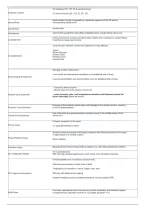
33 vertebrae (7C, 12T, 5L & sacral+coccyx)
Anatomy of Spine 31 pairs of nerves (8C, 12T, 5L, 5S, 1C)
Each muscle in body is supplied by a particular segment of the SC and its
Ventral Root: corresponding spinal nerve
Dorsal Root: sensory root
Dermatome: area of skin supplied by nerve fibers originating from a single dorsal nerve root.
motor and sensory function lost below injury. Stems from contusion or compromised
Complete SCI: blood flow to injured part of cord
some function retained, function lost depends on area affected
Types:
Brown-Sequard
Anterior Cord
Incomplete SCI Posterior Cord
Central Cord
Damage to half of spinal cord
Loss of pain and temperature sensation on contralateral side of body
Brown-Sequard Syndrome
Loss of proprioception and discriminatory touch on ipsilateral side of body.
- Caused by flexion injuries
- Occurs when 2/3 of the anterior cord is lost
Anterior Cord Syndrome - motor function, pain, and temperature sensation lost bilaterally below the
lesion (flaccidity below the lesion)
Damage to the posterior spinal artery with damage to the dorsal columns, resulting
Posterior Cord Syndrome in loss of proprioception.
loss of function in upper extremities caused by injury to the middle portion of the
Central Cord Syndrome spinal cord
Forward movement of the head.
Flexion Injury i.e. rapid deceleration in MVC
Severe forward movement of the head combined with lateral movement of the head
or spine beyond its normal rotation.
Flexion/Rotation Injury
Most unstable!
Extension Injury Backwards movement of head without rotation (i.e. chin hitting dashboard in MVC)
CT is gold standard
SCI: Diagnostic Testing MRI can help visualize ligamentous injury, blood clots, herniations/masses
Partial/complete loss of control to areas of body
Extreme pain/pressure in head, neck or back
Tingling/loss of sensation to hands, fingers, feet, toes
SCI: Signs and Symptoms Difficulty with balance and walking
Impaired breathing (rescue breathing indicated, not necessarily CPR)
Promotes appropriate motor and sensory function evaluation and classifies degree
ASIA Exam of impairment as complete (level A) or incomplete (levels B -> E)
Page
Page
NSG4330
11 of
of 1410/13/2026,
1410/13/2026,
Exam.pdfPage1:58:15
1:58:15
1 of 1410/13/2026,
AMNSG4330
AMNSG43301:58:15
Exam(*((&#*!(*#*($$(*($(*$Y(&*&$(*)&*)((&$*^$&*&$
Exam(*((&#*!(*#*($$(*($(*$Y(&*&$(*)&*)((&$*^$&*&$
AMNSG4330 Exam(*((&#*!(*#*($$(*($(*$Y(&*&$(*)&*)((&$*^$&*&$
(&*$
(&*$ **F
**F VJyvhjbnoP+_IREOLKDJ(UWRORWUOI
VJyvhjbnoP+_IREOLKDJ(UWRORWUOI
(&*$ **F VJyvhjbnoP+_IREOLKDJ(UW
, Page
Page
Page222of
of
of1410/13/2026,
1410/13/2026,
1410/13/2026,1:58:15
1:58:15
1:58:15AMNSG4330
AMNSG4330
AMNSG4330Exam(*((&#*!(*#*($$(*($(*$Y(&*&$(*)&*)((&$*^$&*&$
Exam(*((&#*!(*#*($$(*($(*$Y(&*&$(*)&*)((&$*^$&*&$
Exam(*((&#*!(*#*($$(*($(*$Y(&*&$(*)&*)((&$*^$&*&$(&*$
(&*$
(&*$ **F
**F
**FVJyvhjbnoP+_IREOLKDJ(UWRORWUOI
VJyvhjbnoP+_IREOLKDJ(UWRORWUOI
VJyvhjbnoP+_IREOLKDJ(UWRORWUOI
Maintain BP (autonomic dysreflexia)
Monitor CV (hypotension, bradycardia, DVT)
Adequate ventilation and lung function
Infection monitoring
SCI: Nursing Care
Regular assessments (Q1hr or more)
Coping/psychosocial interventions (quality of life, role change, sexuality)
For injuries T6 or higher.
Spinal shock starts to resolve and reflexes return. Noxious stimulus activates spinal
reflexes, causing vasoconstriction below injury and HTN. Baroreceptors detect
increasing BP and stimulate PNS to vasodilate and slow heart. Unfortunately
message cannot descend past level of injury. Results in pallor below injury, and
flushing/sweating and h/a above injury.
Autonomic Dysreflexia - Sit up to induce orthostasis (if possible) or raise bed
- Rapid administration of antiHTN meds.
- Most common culprits are full bowel/bladder (also constrictive clothing, bladder
infx, pressure sores).
A blow or jolt to the head, or a penetrating head injury that disrupts the function of
the brain
Classification:
Severity (mild or severe)
Mechanism (closed or penetrating)
Other (location, area of brain affected)
Traumatic Brain Injury (TBI)
Mild: a brief change in mental status or consciousness
Severe: an extended period of unconsciousness or amnesia
~20% of resting cardiac output to brain (750mls of blood/min), extracts ~40% of O2
received
The brain can autoregulate blood flow by dilating/constricting cerebral blood vessels
to maintain constant cerebral blood flow, regardless of BP.
Must have at least 50mmHg MAP, should be 70-110 ideally
Cerebral Perfusion
Cerebral arterial vasodilation occurs if BP, pH or O2 falls, or if CO2 rises
Cerebral arterial vasoconstriction occurs if BP, pH rises or if CO2/temp falls
Compression and pushing of the brain through the foramen occipitalis r/t increased
Brain Herniation ICP
Page
Page
NSG4330
22 of
of 1410/13/2026,
1410/13/2026,
Exam.pdfPage1:58:15
1:58:15
2 of 1410/13/2026,
AMNSG4330
AMNSG43301:58:15
Exam(*((&#*!(*#*($$(*($(*$Y(&*&$(*)&*)((&$*^$&*&$
Exam(*((&#*!(*#*($$(*($(*$Y(&*&$(*)&*)((&$*^$&*&$
AMNSG4330 Exam(*((&#*!(*#*($$(*($(*$Y(&*&$(*)&*)((&$*^$&*&$
(&*$
(&*$ **F
**F VJyvhjbnoP+_IREOLKDJ(UWRORWUOI
VJyvhjbnoP+_IREOLKDJ(UWRORWUOI
(&*$ **F VJyvhjbnoP+_IREOLKDJ(UW
Page
Page111of
of
of1410/13/2026,
1410/13/2026,
1410/13/2026,1:58:15
1:58:15
1:58:15AMNSG4330
AMNSG4330
AMNSG4330Exam(*((&#*!(*#*($$(*($(*$Y(&*&$(*)&*)((&$*^$&*&$
Exam(*((&#*!(*#*($$(*($(*$Y(&*&$(*)&*)((&$*^$&*&$
Exam(*((&#*!(*#*($$(*($(*$Y(&*&$(*)&*)((&$*^$&*&$(&*$
(&*$
(&*$ **F
**F
**FVJyvhjbnoP+_IREOLKDJ(UWRORWUOI
VJyvhjbnoP+_IREOLKDJ(UWRORWUOI
VJyvhjbnoP+_IREOLKDJ(UWRORWUOI
33 vertebrae (7C, 12T, 5L & sacral+coccyx)
Anatomy of Spine 31 pairs of nerves (8C, 12T, 5L, 5S, 1C)
Each muscle in body is supplied by a particular segment of the SC and its
Ventral Root: corresponding spinal nerve
Dorsal Root: sensory root
Dermatome: area of skin supplied by nerve fibers originating from a single dorsal nerve root.
motor and sensory function lost below injury. Stems from contusion or compromised
Complete SCI: blood flow to injured part of cord
some function retained, function lost depends on area affected
Types:
Brown-Sequard
Anterior Cord
Incomplete SCI Posterior Cord
Central Cord
Damage to half of spinal cord
Loss of pain and temperature sensation on contralateral side of body
Brown-Sequard Syndrome
Loss of proprioception and discriminatory touch on ipsilateral side of body.
- Caused by flexion injuries
- Occurs when 2/3 of the anterior cord is lost
Anterior Cord Syndrome - motor function, pain, and temperature sensation lost bilaterally below the
lesion (flaccidity below the lesion)
Damage to the posterior spinal artery with damage to the dorsal columns, resulting
Posterior Cord Syndrome in loss of proprioception.
loss of function in upper extremities caused by injury to the middle portion of the
Central Cord Syndrome spinal cord
Forward movement of the head.
Flexion Injury i.e. rapid deceleration in MVC
Severe forward movement of the head combined with lateral movement of the head
or spine beyond its normal rotation.
Flexion/Rotation Injury
Most unstable!
Extension Injury Backwards movement of head without rotation (i.e. chin hitting dashboard in MVC)
CT is gold standard
SCI: Diagnostic Testing MRI can help visualize ligamentous injury, blood clots, herniations/masses
Partial/complete loss of control to areas of body
Extreme pain/pressure in head, neck or back
Tingling/loss of sensation to hands, fingers, feet, toes
SCI: Signs and Symptoms Difficulty with balance and walking
Impaired breathing (rescue breathing indicated, not necessarily CPR)
Promotes appropriate motor and sensory function evaluation and classifies degree
ASIA Exam of impairment as complete (level A) or incomplete (levels B -> E)
Page
Page
NSG4330
11 of
of 1410/13/2026,
1410/13/2026,
Exam.pdfPage1:58:15
1:58:15
1 of 1410/13/2026,
AMNSG4330
AMNSG43301:58:15
Exam(*((&#*!(*#*($$(*($(*$Y(&*&$(*)&*)((&$*^$&*&$
Exam(*((&#*!(*#*($$(*($(*$Y(&*&$(*)&*)((&$*^$&*&$
AMNSG4330 Exam(*((&#*!(*#*($$(*($(*$Y(&*&$(*)&*)((&$*^$&*&$
(&*$
(&*$ **F
**F VJyvhjbnoP+_IREOLKDJ(UWRORWUOI
VJyvhjbnoP+_IREOLKDJ(UWRORWUOI
(&*$ **F VJyvhjbnoP+_IREOLKDJ(UW
, Page
Page
Page222of
of
of1410/13/2026,
1410/13/2026,
1410/13/2026,1:58:15
1:58:15
1:58:15AMNSG4330
AMNSG4330
AMNSG4330Exam(*((&#*!(*#*($$(*($(*$Y(&*&$(*)&*)((&$*^$&*&$
Exam(*((&#*!(*#*($$(*($(*$Y(&*&$(*)&*)((&$*^$&*&$
Exam(*((&#*!(*#*($$(*($(*$Y(&*&$(*)&*)((&$*^$&*&$(&*$
(&*$
(&*$ **F
**F
**FVJyvhjbnoP+_IREOLKDJ(UWRORWUOI
VJyvhjbnoP+_IREOLKDJ(UWRORWUOI
VJyvhjbnoP+_IREOLKDJ(UWRORWUOI
Maintain BP (autonomic dysreflexia)
Monitor CV (hypotension, bradycardia, DVT)
Adequate ventilation and lung function
Infection monitoring
SCI: Nursing Care
Regular assessments (Q1hr or more)
Coping/psychosocial interventions (quality of life, role change, sexuality)
For injuries T6 or higher.
Spinal shock starts to resolve and reflexes return. Noxious stimulus activates spinal
reflexes, causing vasoconstriction below injury and HTN. Baroreceptors detect
increasing BP and stimulate PNS to vasodilate and slow heart. Unfortunately
message cannot descend past level of injury. Results in pallor below injury, and
flushing/sweating and h/a above injury.
Autonomic Dysreflexia - Sit up to induce orthostasis (if possible) or raise bed
- Rapid administration of antiHTN meds.
- Most common culprits are full bowel/bladder (also constrictive clothing, bladder
infx, pressure sores).
A blow or jolt to the head, or a penetrating head injury that disrupts the function of
the brain
Classification:
Severity (mild or severe)
Mechanism (closed or penetrating)
Other (location, area of brain affected)
Traumatic Brain Injury (TBI)
Mild: a brief change in mental status or consciousness
Severe: an extended period of unconsciousness or amnesia
~20% of resting cardiac output to brain (750mls of blood/min), extracts ~40% of O2
received
The brain can autoregulate blood flow by dilating/constricting cerebral blood vessels
to maintain constant cerebral blood flow, regardless of BP.
Must have at least 50mmHg MAP, should be 70-110 ideally
Cerebral Perfusion
Cerebral arterial vasodilation occurs if BP, pH or O2 falls, or if CO2 rises
Cerebral arterial vasoconstriction occurs if BP, pH rises or if CO2/temp falls
Compression and pushing of the brain through the foramen occipitalis r/t increased
Brain Herniation ICP
Page
Page
NSG4330
22 of
of 1410/13/2026,
1410/13/2026,
Exam.pdfPage1:58:15
1:58:15
2 of 1410/13/2026,
AMNSG4330
AMNSG43301:58:15
Exam(*((&#*!(*#*($$(*($(*$Y(&*&$(*)&*)((&$*^$&*&$
Exam(*((&#*!(*#*($$(*($(*$Y(&*&$(*)&*)((&$*^$&*&$
AMNSG4330 Exam(*((&#*!(*#*($$(*($(*$Y(&*&$(*)&*)((&$*^$&*&$
(&*$
(&*$ **F
**F VJyvhjbnoP+_IREOLKDJ(UWRORWUOI
VJyvhjbnoP+_IREOLKDJ(UWRORWUOI
(&*$ **F VJyvhjbnoP+_IREOLKDJ(UW


