
!@#()*$*(&@&(*%*&((%UNCLEX
!@#()*$*(&@&(*%*&((%UNCLEX
Pharmacology Test!@#()*$*(&@&(*%*&((%UNCLEX
bank 2000.pdfhttps://www.stuvia.com/user/docstudent96https://www.stuvia.com/user/docstudent96
Pharmacology Test bank 2000.pdfhttps://www.stuvia.com/user/docstudent96https://www.stuvia.com/user/docstudent96
Pharmacology Test bank 2000.pdfhttps://www.stuvia.com/user/docstudent96https://www.stuvia.com/user/docstudent96
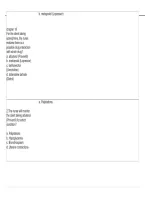
b. metoprolol (Lopressor)
chapter 18
For the client taking
epinephrine, the nurse
realizes there is a
possible drug interaction
with which drug?
a. albuterol (Proventil)
b. metoprolol (Lopressor)
c. bethanechol
(Urecholine)
d. tolterodine tartrate
(Detrol)
a. Palpitations
2.The nurse will monitor
the client taking albuterol
(Proventil) for which
condition?
a. Palpitations
b. Hypoglycemia
c. Bronchospasm
d. Uterine contractions
!@#()*$*(&@&(*%*&((%UNCLEX
!@#()*$*(&@&(*%*&((%UNCLEX
Pharmacology Test!@#()*$*(&@&(*%*&((%UNCLEX
bank 2000.pdfhttps://www.stuvia.com/user/docstudent96https://www.stuvia.com/user/docstudent96
Pharmacology Test bank 2000.pdfhttps://www.stuvia.com/user/docstudent96https://www.stuvia.com/user/docstudent96
Pharmacology Test bank 2000.pdfhttps://www.stuvia.com/user/docstudent96https://www.stuvia.com/user/docstudent96
,!@#()*$*(&@&(*%*&((%UNCLEX
!@#()*$*(&@&(*%*&((%UNCLEX
Pharmacology Test!@#()*$*(&@&(*%*&((%UNCLEX
bank 2000.pdfhttps://www.stuvia.com/user/docstudent96https://www.stuvia.com/user/docstudent96
Pharmacology Test bank 2000.pdfhttps://www.stuvia.com/user/docstudent96https://www.stuvia.com/user/docstudent96
Pharmacology Test bank 2000.pdfhttps://www.stuvia.com/user/docstudent96https://www.stuvia.com/user/docstudent96
a. Bradycardia
3.A client is prescribed
metoprolol (Lopressor) to
treat hypertension. It is
important for the nurse to
monitor the client for
which condition?
a. Bradycardia
b. Hypertension
c. Ankle edema
d. Decreased respirations
c. Cardiogenic shock
4.Atenolol (Tenormin) is
prescribed for a client.
The nurse realizes that
this drug is a beta-
adrenergic blocker and
that this drug
classification is
contraindicated for clients
with which condition?
a. Hypothyroidism
b. Angina pectoris
c. Cardiogenic shock
d. Liver dysfunction
!@#()*$*(&@&(*%*&((%UNCLEX
!@#()*$*(&@&(*%*&((%UNCLEX
Pharmacology Test!@#()*$*(&@&(*%*&((%UNCLEX
bank 2000.pdfhttps://www.stuvia.com/user/docstudent96https://www.stuvia.com/user/docstudent96
Pharmacology Test bank 2000.pdfhttps://www.stuvia.com/user/docstudent96https://www.stuvia.com/user/docstudent96
Pharmacology Test bank 2000.pdfhttps://www.stuvia.com/user/docstudent96https://www.stuvia.com/user/docstudent96
,!@#()*$*(&@&(*%*&((%UNCLEX
!@#()*$*(&@&(*%*&((%UNCLEX
Pharmacology Test!@#()*$*(&@&(*%*&((%UNCLEX
bank 2000.pdfhttps://www.stuvia.com/user/docstudent96https://www.stuvia.com/user/docstudent96
Pharmacology Test bank 2000.pdfhttps://www.stuvia.com/user/docstudent96https://www.stuvia.com/user/docstudent96
Pharmacology Test bank 2000.pdfhttps://www.stuvia.com/user/docstudent96https://www.stuvia.com/user/docstudent96
c. Increased myocardial contractility
5.The nurse realizes that
beta1 receptor stimulation
is differentiated from
beta2 stimulation in that
stimulation of beta1
receptors leads to which
condition?
a. Increased
bronchodilation
b. Decreased uterine
contractility
c. Increased myocardial
contractility
d. Decreased blood flow
to skeletal muscles
!@#()*$*(&@&(*%*&((%UNCLEX
!@#()*$*(&@&(*%*&((%UNCLEX
Pharmacology Test!@#()*$*(&@&(*%*&((%UNCLEX
bank 2000.pdfhttps://www.stuvia.com/user/docstudent96https://www.stuvia.com/user/docstudent96
Pharmacology Test bank 2000.pdfhttps://www.stuvia.com/user/docstudent96https://www.stuvia.com/user/docstudent96
Pharmacology Test bank 2000.pdfhttps://www.stuvia.com/user/docstudent96https://www.stuvia.com/user/docstudent96
, !@#()*$*(&@&(*%*&((%UNCLEX
!@#()*$*(&@&(*%*&((%UNCLEX
Pharmacology Test!@#()*$*(&@&(*%*&((%UNCLEX
bank 2000.pdfhttps://www.stuvia.com/user/docstudent96https://www.stuvia.com/user/docstudent96
Pharmacology Test bank 2000.pdfhttps://www.stuvia.com/user/docstudent96https://www.stuvia.com/user/docstudent96
Pharmacology Test bank 2000.pdfhttps://www.stuvia.com/user/docstudent96https://www.stuvia.com/user/docstudent96
d. Increased blood pressure
6. A client is given
epinephrine (Adrenalin),
an adrenergic agonist
(sympathomimetic). The
nurse should monitor the
client for which condition?
a. Decreased pulse
b. Pupil constriction
c. Bronchial constriction
d. Increased blood
pressure
b. An NSAID, such as aspirin
7.The nurse is
administering atenolol
(Tenormin) to a client.
Which concurrent drug
does the nurse expect to
most likely cause an
interaction?
a. ginseng herb
b. An NSAID, such as
aspirin
c. methyldopa (Aldomet)
d. haloperidol (Haldol)
!@#()*$*(&@&(*%*&((%UNCLEX
!@#()*$*(&@&(*%*&((%UNCLEX
Pharmacology Test!@#()*$*(&@&(*%*&((%UNCLEX
bank 2000.pdfhttps://www.stuvia.com/user/docstudent96https://www.stuvia.com/user/docstudent96
Pharmacology Test bank 2000.pdfhttps://www.stuvia.com/user/docstudent96https://www.stuvia.com/user/docstudent96
Pharmacology Test bank 2000.pdfhttps://www.stuvia.com/user/docstudent96https://www.stuvia.com/user/docstudent96
!@#()*$*(&@&(*%*&((%UNCLEX
Pharmacology Test!@#()*$*(&@&(*%*&((%UNCLEX
bank 2000.pdfhttps://www.stuvia.com/user/docstudent96https://www.stuvia.com/user/docstudent96
Pharmacology Test bank 2000.pdfhttps://www.stuvia.com/user/docstudent96https://www.stuvia.com/user/docstudent96
Pharmacology Test bank 2000.pdfhttps://www.stuvia.com/user/docstudent96https://www.stuvia.com/user/docstudent96
b. metoprolol (Lopressor)
chapter 18
For the client taking
epinephrine, the nurse
realizes there is a
possible drug interaction
with which drug?
a. albuterol (Proventil)
b. metoprolol (Lopressor)
c. bethanechol
(Urecholine)
d. tolterodine tartrate
(Detrol)
a. Palpitations
2.The nurse will monitor
the client taking albuterol
(Proventil) for which
condition?
a. Palpitations
b. Hypoglycemia
c. Bronchospasm
d. Uterine contractions
!@#()*$*(&@&(*%*&((%UNCLEX
!@#()*$*(&@&(*%*&((%UNCLEX
Pharmacology Test!@#()*$*(&@&(*%*&((%UNCLEX
bank 2000.pdfhttps://www.stuvia.com/user/docstudent96https://www.stuvia.com/user/docstudent96
Pharmacology Test bank 2000.pdfhttps://www.stuvia.com/user/docstudent96https://www.stuvia.com/user/docstudent96
Pharmacology Test bank 2000.pdfhttps://www.stuvia.com/user/docstudent96https://www.stuvia.com/user/docstudent96
,!@#()*$*(&@&(*%*&((%UNCLEX
!@#()*$*(&@&(*%*&((%UNCLEX
Pharmacology Test!@#()*$*(&@&(*%*&((%UNCLEX
bank 2000.pdfhttps://www.stuvia.com/user/docstudent96https://www.stuvia.com/user/docstudent96
Pharmacology Test bank 2000.pdfhttps://www.stuvia.com/user/docstudent96https://www.stuvia.com/user/docstudent96
Pharmacology Test bank 2000.pdfhttps://www.stuvia.com/user/docstudent96https://www.stuvia.com/user/docstudent96
a. Bradycardia
3.A client is prescribed
metoprolol (Lopressor) to
treat hypertension. It is
important for the nurse to
monitor the client for
which condition?
a. Bradycardia
b. Hypertension
c. Ankle edema
d. Decreased respirations
c. Cardiogenic shock
4.Atenolol (Tenormin) is
prescribed for a client.
The nurse realizes that
this drug is a beta-
adrenergic blocker and
that this drug
classification is
contraindicated for clients
with which condition?
a. Hypothyroidism
b. Angina pectoris
c. Cardiogenic shock
d. Liver dysfunction
!@#()*$*(&@&(*%*&((%UNCLEX
!@#()*$*(&@&(*%*&((%UNCLEX
Pharmacology Test!@#()*$*(&@&(*%*&((%UNCLEX
bank 2000.pdfhttps://www.stuvia.com/user/docstudent96https://www.stuvia.com/user/docstudent96
Pharmacology Test bank 2000.pdfhttps://www.stuvia.com/user/docstudent96https://www.stuvia.com/user/docstudent96
Pharmacology Test bank 2000.pdfhttps://www.stuvia.com/user/docstudent96https://www.stuvia.com/user/docstudent96
,!@#()*$*(&@&(*%*&((%UNCLEX
!@#()*$*(&@&(*%*&((%UNCLEX
Pharmacology Test!@#()*$*(&@&(*%*&((%UNCLEX
bank 2000.pdfhttps://www.stuvia.com/user/docstudent96https://www.stuvia.com/user/docstudent96
Pharmacology Test bank 2000.pdfhttps://www.stuvia.com/user/docstudent96https://www.stuvia.com/user/docstudent96
Pharmacology Test bank 2000.pdfhttps://www.stuvia.com/user/docstudent96https://www.stuvia.com/user/docstudent96
c. Increased myocardial contractility
5.The nurse realizes that
beta1 receptor stimulation
is differentiated from
beta2 stimulation in that
stimulation of beta1
receptors leads to which
condition?
a. Increased
bronchodilation
b. Decreased uterine
contractility
c. Increased myocardial
contractility
d. Decreased blood flow
to skeletal muscles
!@#()*$*(&@&(*%*&((%UNCLEX
!@#()*$*(&@&(*%*&((%UNCLEX
Pharmacology Test!@#()*$*(&@&(*%*&((%UNCLEX
bank 2000.pdfhttps://www.stuvia.com/user/docstudent96https://www.stuvia.com/user/docstudent96
Pharmacology Test bank 2000.pdfhttps://www.stuvia.com/user/docstudent96https://www.stuvia.com/user/docstudent96
Pharmacology Test bank 2000.pdfhttps://www.stuvia.com/user/docstudent96https://www.stuvia.com/user/docstudent96
, !@#()*$*(&@&(*%*&((%UNCLEX
!@#()*$*(&@&(*%*&((%UNCLEX
Pharmacology Test!@#()*$*(&@&(*%*&((%UNCLEX
bank 2000.pdfhttps://www.stuvia.com/user/docstudent96https://www.stuvia.com/user/docstudent96
Pharmacology Test bank 2000.pdfhttps://www.stuvia.com/user/docstudent96https://www.stuvia.com/user/docstudent96
Pharmacology Test bank 2000.pdfhttps://www.stuvia.com/user/docstudent96https://www.stuvia.com/user/docstudent96
d. Increased blood pressure
6. A client is given
epinephrine (Adrenalin),
an adrenergic agonist
(sympathomimetic). The
nurse should monitor the
client for which condition?
a. Decreased pulse
b. Pupil constriction
c. Bronchial constriction
d. Increased blood
pressure
b. An NSAID, such as aspirin
7.The nurse is
administering atenolol
(Tenormin) to a client.
Which concurrent drug
does the nurse expect to
most likely cause an
interaction?
a. ginseng herb
b. An NSAID, such as
aspirin
c. methyldopa (Aldomet)
d. haloperidol (Haldol)
!@#()*$*(&@&(*%*&((%UNCLEX
!@#()*$*(&@&(*%*&((%UNCLEX
Pharmacology Test!@#()*$*(&@&(*%*&((%UNCLEX
bank 2000.pdfhttps://www.stuvia.com/user/docstudent96https://www.stuvia.com/user/docstudent96
Pharmacology Test bank 2000.pdfhttps://www.stuvia.com/user/docstudent96https://www.stuvia.com/user/docstudent96
Pharmacology Test bank 2000.pdfhttps://www.stuvia.com/user/docstudent96https://www.stuvia.com/user/docstudent96


