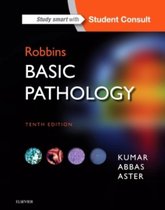
Robbins Basic Pathology
10th Edition
Author(s)Vinay Kumar; MBBS; MD;
FRCPath; Abul K. Abbas; MBBS and
Jon C. Aster; MD; PhD
Print ISBN: 9780323353175
,Question 1
A 28-year-old patient with a known inherited mutation develops
progressive muscle weakness. Genetic testing shows a mutation
affecting a protein required for normal cellular function. Which cellular
component is primarily responsible for storing the hereditary
information that determines the synthesis of this protein?
A. Lysosome
B. Genome
,C. Golgi apparatus
D. Extracellular matrix
Correct Answer: B. Genome
Rationale:
The genome contains the complete genetic information of a cell and
provides the instructions required for protein synthesis and cellular
function. Lysosomes digest cellular material, the Golgi apparatus
modifies and sorts proteins, and the extracellular matrix provides
structural and signaling support outside cells.
Question 2
A researcher studies a cell in which DNA replication has occurred before
cell division. Which process most directly ensures that the genetic
information can be transmitted to daughter cells?
A. Transcription of messenger RNA
B. Replication and accurate segregation of DNA
C. Secretion of extracellular proteins
D. Degradation of damaged organelles
Correct Answer: B. Replication and accurate segregation of DNA
Rationale:
Faithful DNA replication followed by accurate chromosome segregation
allows daughter cells to inherit an appropriate copy of the genome.
Transcription produces RNA, extracellular protein secretion does not
transmit genetic information, and organelle degradation is part of
cellular housekeeping rather than inheritance of the genome.
Question 3
, A hepatocyte is actively synthesizing secreted plasma proteins. Which
organelle is most directly involved in the initial synthesis of these
proteins?
A. Smooth endoplasmic reticulum
B. Rough endoplasmic reticulum
C. Lysosome
D. Peroxisome
Correct Answer: B. Rough endoplasmic reticulum
Rationale:
Proteins destined for secretion are synthesized by ribosomes attached
to the rough endoplasmic reticulum and then enter the secretory
pathway. Smooth endoplasmic reticulum is involved primarily in lipid
synthesis and other functions, lysosomes degrade macromolecules, and
peroxisomes participate in oxidative reactions.
Question 4
A cell is exposed to conditions that produce damaged proteins and
dysfunctional organelles. Which cellular housekeeping mechanism is
most important for removing these abnormal components?
A. Autophagy
B. DNA replication
C. Glycolysis
D. Receptor activation
Correct Answer: A. Autophagy
Rationale:
Autophagy is a cellular housekeeping process that helps eliminate
10th Edition
Author(s)Vinay Kumar; MBBS; MD;
FRCPath; Abul K. Abbas; MBBS and
Jon C. Aster; MD; PhD
Print ISBN: 9780323353175
,Question 1
A 28-year-old patient with a known inherited mutation develops
progressive muscle weakness. Genetic testing shows a mutation
affecting a protein required for normal cellular function. Which cellular
component is primarily responsible for storing the hereditary
information that determines the synthesis of this protein?
A. Lysosome
B. Genome
,C. Golgi apparatus
D. Extracellular matrix
Correct Answer: B. Genome
Rationale:
The genome contains the complete genetic information of a cell and
provides the instructions required for protein synthesis and cellular
function. Lysosomes digest cellular material, the Golgi apparatus
modifies and sorts proteins, and the extracellular matrix provides
structural and signaling support outside cells.
Question 2
A researcher studies a cell in which DNA replication has occurred before
cell division. Which process most directly ensures that the genetic
information can be transmitted to daughter cells?
A. Transcription of messenger RNA
B. Replication and accurate segregation of DNA
C. Secretion of extracellular proteins
D. Degradation of damaged organelles
Correct Answer: B. Replication and accurate segregation of DNA
Rationale:
Faithful DNA replication followed by accurate chromosome segregation
allows daughter cells to inherit an appropriate copy of the genome.
Transcription produces RNA, extracellular protein secretion does not
transmit genetic information, and organelle degradation is part of
cellular housekeeping rather than inheritance of the genome.
Question 3
, A hepatocyte is actively synthesizing secreted plasma proteins. Which
organelle is most directly involved in the initial synthesis of these
proteins?
A. Smooth endoplasmic reticulum
B. Rough endoplasmic reticulum
C. Lysosome
D. Peroxisome
Correct Answer: B. Rough endoplasmic reticulum
Rationale:
Proteins destined for secretion are synthesized by ribosomes attached
to the rough endoplasmic reticulum and then enter the secretory
pathway. Smooth endoplasmic reticulum is involved primarily in lipid
synthesis and other functions, lysosomes degrade macromolecules, and
peroxisomes participate in oxidative reactions.
Question 4
A cell is exposed to conditions that produce damaged proteins and
dysfunctional organelles. Which cellular housekeeping mechanism is
most important for removing these abnormal components?
A. Autophagy
B. DNA replication
C. Glycolysis
D. Receptor activation
Correct Answer: A. Autophagy
Rationale:
Autophagy is a cellular housekeeping process that helps eliminate