
TSC Florida Civic Literacy Exam.
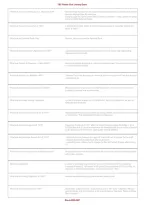
What was the case of McCulloch v. Maryland 1819 Maryland was trying to tax the national bank and Supreme Court ruled that federal
law was stronger than the state law.
Congress got the right to press laws to conduct business—it also upheld congress
power to make National Banks.
What was the Lend-Lease Act of 1941? It allowed the United States to lend and lease supplies to countries fighting the
Nazis in WW2
What was the National Bank Veto Andrew Jackson vetoed the National Bank.
What was the Gentlemen's Agreement of 1907? Japanese would limit immigration passports and US would stop segregating
Japanese kids in schools.
What was District of Columbia v. Heller 2008? Second Amendment extends to citizens and their homes. The second amendment
is not limited to the military.
What was Marbury vs. Madison 1803? Supreme Court has the power to review all acts from congress if they are deemed
unconstitutional.
What was the Missouri Compromise of 1820? Missouri became a slave state and Maine became a free state. The rest of the
Louisiana purchase was to remain free.
What was the Great Society Legislation Lyndon B Johnson signed the Civil Rights Act, the Voting Rights Act, as well as
Medicare and Medicaid.
What was the Kansas-Nebraska Act of 1854? Repealed the Missouri Compromise by saying settlers could vote to be a slave state
or a free state. This established Kansas and Nebraska.
What was the Espionage Act of 1917? Passed by Congress in 1917 after the United States entered World War I; set a
$10,000 fine and 20 years imprisonment for interfering with the recruiting of troops
or the disclosure of information dealing with national defense.
What was the Selective Service Act of 1917? - all American men between the ages of 18 and 30 had to register for the draft
- lotteries were held to determine who would serve.
- essentially male citizens had to register for the draft within 30 days after turning
18.
What was Lincoln's suspension of habeas corpus? He suspended the notion that prevented the government from imprisoning people
without due process.
New Deal Legislation a series of wide-reaching economic, social, and political reforms enacted by
President Franklin D. Roosevelt in the United States between 1933 and 1938, in
response to the Great Depression, which had started in 1929.
What was the Voting Rights Act of 1965? Banned discriminatory voting practices like Literacy tests.
What was the Compromise of 1850? Slave trade outlawed in D.C. California became a free state—Utah/New Mexico
were territories and could choose to be a slave state or free state. Texas and New
Mexico border.
Stuvia 2026-2027
, TSC Florida Civic Literacy Exam.
What was Schneck vs US in 1919? Speech that prevents "clear and present danger" to US security is not protected by
the First amendment.
What was US vs Nixon 1974? Confidentiality and separation of powers does not give the president immunity from
the judicial process.
What was Plessy v. Ferguson (1896)? Ruled Jim Crow Laws were constitutional under "separate but equal" doctrine. As
long as states gave separate but equal treatment.
Argued in court that the act violated the 13th and 14th amendment.
Popular Sovereignty The idea that the government's authority comes from the will of the people it
governs.
Due Process The legal requirement that the government must follow fair procedures and respect
individual rights.
Federalism A system of government where power is shared between a central authority and
individual states or provinces.
individual liberty the liberty of those persons who are free from external restraint in the exercise of
those rights which are considered to be outside the province of a government to
control, including political and religious dinners.
Republicanism A philosophy of limited government with elected representatives serving at the will
of the people. The government is based on consent of the governed.
Democracy A political system in which the supreme power lies in a body of citizens who can
elect people to represent them
Constitutional Republic a government in which citizens rule through elected representatives, according to a
plan of government
Constitutionalism Adherence to a constitution as the highest legal authority, providing the framework
for government.
majority rule, minority rights Balancing the power of the majority with protections for the rights and interests of
minorities.
Who is the "Father of Our Country"? George Washington
Miranda v. Arizona Supreme Court held that criminal suspects must be informed of their right to consult
with an attorney and of their right against self-incrimination prior to questioning by
police.
Violated the 5th amendment and his 6th, right to an attorney
Case topic: self-incrimination, due process
elections Formal processes where citizens choose individuals to hold public office or make
decisions on their behalf
Stuvia 2026-2027
What was the case of McCulloch v. Maryland 1819 Maryland was trying to tax the national bank and Supreme Court ruled that federal
law was stronger than the state law.
Congress got the right to press laws to conduct business—it also upheld congress
power to make National Banks.
What was the Lend-Lease Act of 1941? It allowed the United States to lend and lease supplies to countries fighting the
Nazis in WW2
What was the National Bank Veto Andrew Jackson vetoed the National Bank.
What was the Gentlemen's Agreement of 1907? Japanese would limit immigration passports and US would stop segregating
Japanese kids in schools.
What was District of Columbia v. Heller 2008? Second Amendment extends to citizens and their homes. The second amendment
is not limited to the military.
What was Marbury vs. Madison 1803? Supreme Court has the power to review all acts from congress if they are deemed
unconstitutional.
What was the Missouri Compromise of 1820? Missouri became a slave state and Maine became a free state. The rest of the
Louisiana purchase was to remain free.
What was the Great Society Legislation Lyndon B Johnson signed the Civil Rights Act, the Voting Rights Act, as well as
Medicare and Medicaid.
What was the Kansas-Nebraska Act of 1854? Repealed the Missouri Compromise by saying settlers could vote to be a slave state
or a free state. This established Kansas and Nebraska.
What was the Espionage Act of 1917? Passed by Congress in 1917 after the United States entered World War I; set a
$10,000 fine and 20 years imprisonment for interfering with the recruiting of troops
or the disclosure of information dealing with national defense.
What was the Selective Service Act of 1917? - all American men between the ages of 18 and 30 had to register for the draft
- lotteries were held to determine who would serve.
- essentially male citizens had to register for the draft within 30 days after turning
18.
What was Lincoln's suspension of habeas corpus? He suspended the notion that prevented the government from imprisoning people
without due process.
New Deal Legislation a series of wide-reaching economic, social, and political reforms enacted by
President Franklin D. Roosevelt in the United States between 1933 and 1938, in
response to the Great Depression, which had started in 1929.
What was the Voting Rights Act of 1965? Banned discriminatory voting practices like Literacy tests.
What was the Compromise of 1850? Slave trade outlawed in D.C. California became a free state—Utah/New Mexico
were territories and could choose to be a slave state or free state. Texas and New
Mexico border.
Stuvia 2026-2027
, TSC Florida Civic Literacy Exam.
What was Schneck vs US in 1919? Speech that prevents "clear and present danger" to US security is not protected by
the First amendment.
What was US vs Nixon 1974? Confidentiality and separation of powers does not give the president immunity from
the judicial process.
What was Plessy v. Ferguson (1896)? Ruled Jim Crow Laws were constitutional under "separate but equal" doctrine. As
long as states gave separate but equal treatment.
Argued in court that the act violated the 13th and 14th amendment.
Popular Sovereignty The idea that the government's authority comes from the will of the people it
governs.
Due Process The legal requirement that the government must follow fair procedures and respect
individual rights.
Federalism A system of government where power is shared between a central authority and
individual states or provinces.
individual liberty the liberty of those persons who are free from external restraint in the exercise of
those rights which are considered to be outside the province of a government to
control, including political and religious dinners.
Republicanism A philosophy of limited government with elected representatives serving at the will
of the people. The government is based on consent of the governed.
Democracy A political system in which the supreme power lies in a body of citizens who can
elect people to represent them
Constitutional Republic a government in which citizens rule through elected representatives, according to a
plan of government
Constitutionalism Adherence to a constitution as the highest legal authority, providing the framework
for government.
majority rule, minority rights Balancing the power of the majority with protections for the rights and interests of
minorities.
Who is the "Father of Our Country"? George Washington
Miranda v. Arizona Supreme Court held that criminal suspects must be informed of their right to consult
with an attorney and of their right against self-incrimination prior to questioning by
police.
Violated the 5th amendment and his 6th, right to an attorney
Case topic: self-incrimination, due process
elections Formal processes where citizens choose individuals to hold public office or make
decisions on their behalf
Stuvia 2026-2027


