
Page 1 of 55https://online2pdf.com/remove-pdf-header-footer Page 1https://online2pdf.com/remove-pdf-header-footer
ATI PN Pharmacology Proctored Exam.pdfhttps://online2pdf.com/remove-pdf-header-footer
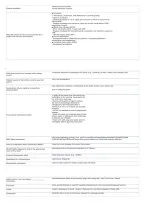
-Medical record number
Patient identifiers -home telephone number
■ Urinalysis
☐ Hematuria, proteinuria, and alterations in specific gravity
☐ Serum creatinine
- Gradual increase of 1 to 2 mg/dL per every 24 to 48 hr for acute renal
failure (ARF)
- Gradual increase over months to years for chronic renal failure (CRF)
exceeding 4 mg/dL
■ Blood urea nitrogen (BUN)
- 80 to 100 mg/dL within 1 week with ARF
- Gradual increase with elevated serum creatinine over months to years for
CRF
What lab values should a nurse monitor for a - 180-200 mg/dL with (CRF)
patient with chronic renal failure? ■ Serum electrolytes
- Decreased sodium (dilutional) and calcium, increased potassium,
phosphorus, and magnesium
■ Complete blood count (CBC)
- Decreased hemoglobin
What food should you increase when taking -increased amounts of potassium-rich foods (e.g., bananas, prunes, raisins, and orange juice)
Lasix?
Patient reports IV discomfort, what is your first color and temperature
action?
pain, tightness, pressure, or heaviness in the chest, throat, neck, and/or jaw
Sumatriptan (treats migraine headaches)
adverse effect slow or difficult speech
-• Apply at the same time once each day,
preferably in the morning. Keep patch on
for 12 to 14 hr each day.
• Remove the patch at night to reduce
the risk of developing tolerance to
nitroglycerin. Be medication-free a
minimum of 10 to 12 hr each day (usually
at night).
• Do not cut patches to ensure appropriate
dosage.
Know about Transdermal patch • Place the patch on a hairless area of skin
(chest, back, or abdomen) and rotate sites
to prevent skin irritation.
• Wash skin with soap and water and dry
thoroughly before applying new patch.
http://www.atitesting.com/ati_next_gen/FocusedReview/data/datacontext/RM%20AMS%20RN
RBC Blood transfusion %208.0%20Chp%2044.pdf (prime with normal saline and infuse with sodium chloride).
What to understand about Parkinson's Meds? -they don't cure disease, they slow the process.
NEUPOGEN (filgrastim)-what is the appropriate administered by subcutaneous injection or IV infusion
route of this med?
Lisinopril therapeutic effect blood pressure answer (e.g. 120/80)
Medication for Schizophrenia risperidone, Risperdal
Macrodantin medication used to treat or prevent certain urinary tract infections
Haldol-inform if you are taking ____________ -benzodiazepine class of anti-anxiety drugs (all ending with "pam") and even, Xanax.
medication.
Fosomax same as-Alendronate is used for treating osteoporosis in men and postmenopausal women.
Lipitor -lowers cholesterol in blood, "statins". Reduce LDL and total cholesterol. Raise HDL.
Garamycin- Antibiotic that is toxic to the kidney, injected for radiology studies.
ATI PN Pharmacology Proctored Exam.pdfhttps://online2pdf.com/remove-pdf-header-footer
ATI PN Pharmacology Proctored Examhttps://online2pdf.com/remove-pdf-header-footer
ATI PN Pharmacology Proctored Examhttps://online2pdf.com/remove-pdf-header-footer
,Page 2 of 55https://online2pdf.com/remove-pdf-header-footer Page 2https://online2pdf.com/remove-pdf-header-footer
ATI PN Pharmacology Proctored Exam.pdfhttps://online2pdf.com/remove-pdf-header-footer
-Fatigue
-Bradycardia
Digoxin side effects -Anorexia
-Nausea/Vomiting
Singulair used before exercise to prevent breathing problems during exercise (bronchospasm).
acetylcysteine (Mucomyst) must be given IV
What medication to administer with Tylenol
overdose?
Human Papilloma Virus (HPV2, HPV4) - -Three doses should be given over a 6 month
-interval for females at 11 to 12 years of age (minimum age is 9 years).
-The second dose should be administered 2 months after the first dose, and the third dose
HPV vaccine should be administered 6 months after the first dose.
-HPV4 may be given to males starting at age 9 years of age.
Opioid toxicity-what to check first oxygen saturation
Valporic Acid lab liver
Lithium report immediately slurred speech
Prednisone report sore throat
-salty foods
Food to avoid when taking Lithium -alcoholic beverages
Periodic determination of serum electrolytes to detect possible electrolyte imbalance should be
Labs for patients taking hydrothiazide done at appropriate intervals.
3. Calcitonin (Miacalcin)
Rationale:
1) A nurse is caring for a client with The normal serum calcium level is 8.6 to 10.0 mg/dL. This client is experiencing
hyperparathyroidism and notes that the client's hypercalcemia. Calcium gluconate and calcium chloride are medications used for the
serum calcium level is 13 mg/dL. Which treatment of tetany, which occurs as a result of acute hypocalcemia. In hypercalcemia, large
medication should the nurse prepare to doses of vitamin D need to be avoided. Calcitonin, a thyroid hormone, decreases the plasma
administer as prescribed to the client? calcium level by inhibiting bone resorption and lowering the serum calcium concentration.
1. Calcium chloride
2. Calcium gluconate
3. Calcitonin (Miacalcin)
4. Large doses of vitamin D
We have an expert-written solution to this problem!
4. Orange juice
Rationale:
2.) Oral iron supplements are prescribed for a 6- Vitamin C increases the absorption of iron by the body. The mother should be instructed to
year-old child with iron deficiency anemia. The administer the medication with a citrus fruit or a juice that is high in vitamin C. Milk may affect
nurse instructs the mother to administer the iron absorption of the iron. Water will not assist in absorption. Orange juice contains a greater
with which best food item? amount of vitamin C than apple juice.
1. Milk
2. Water
3. Apple juice
4. Orange juice
1. Tinnitus
Rationale:
3.) Salicylic acid is prescribed for a client with a Salicylic acid is absorbed readily through the skin, and systemic toxicity (salicylism) can result.
diagnosis of psoriasis. The nurse monitors the Symptoms include tinnitus, dizziness, hyperpnea, and psychological disturbances.
client, knowing that which of the following would Constipation and diarrhea are not associated with salicylism.
indicate the presence of systemic toxicity from
this medication?
1. Tinnitus
2. Diarrhea
3. Constipation
4. Decreased respirations
ATI PN Pharmacology Proctored Exam.pdfhttps://online2pdf.com/remove-pdf-header-footer
ATI PN Pharmacology Proctored Examhttps://online2pdf.com/remove-pdf-header-footer
ATI PN Pharmacology Proctored Examhttps://online2pdf.com/remove-pdf-header-footer
,Page 3 of 55https://online2pdf.com/remove-pdf-header-footer Page 3https://online2pdf.com/remove-pdf-header-footer
ATI PN Pharmacology Proctored Exam.pdfhttps://online2pdf.com/remove-pdf-header-footer
4. At least 30 minutes before exposure to the sun
Rationale:
4.) The camp nurse asks the children preparing Sunscreens are most effective when applied at least 30 minutes before exposure to the sun so
to swim in the lake if they have applied that they can penetrate the skin. All sunscreens should be reapplied after swimming or
sunscreen. The nurse reminds the children that sweating.
chemical sunscreens are most effective when
applied:
1. Immediately before swimming
2. 15 minutes before exposure to the sun
3. Immediately before exposure to the sun
4. At least 30 minutes before exposure to the
sun
We have an expert-written solution to this problem!
3. Informing the client that this is normal
Rationale:
5.) Mafenide acetate (Sulfamylon) is prescribed Mafenide acetate is bacteriostatic for gram-negative and gram-positive organisms and is used
for the client with a burn injury. When applying to treat burns to reduce bacteria present in avascular tissues. The client should be informed
the medication, the client complains of local that the medication will cause local discomfort and burning and that this is a normal reaction;
discomfort and burning. Which of the following is therefore options 1, 2, and 4 are incorrect
the most appropriate nursing action?
1. Notifying the registered nurse
2. Discontinuing the medication
3. Informing the client that this is normal
4. Applying a thinner film than prescribed to the
burn site
1.Hyperventilation
Rationale:
6.) The burn client is receiving treatments of Mafenide acetate is a carbonic anhydrase inhibitor and can suppress renal excretion of acid,
topical mafenide acetate (Sulfamylon) to the site thereby causing acidosis. Clients receiving this treatment should be monitored for signs of an
of injury. The nurse monitors the client, knowing acid-base imbalance (hyperventilation). If this occurs, the medication should be discontinued
that which of the following indicates that a for 1 to 2 days. Options 3 and 4 describe local rather than systemic effects. An elevated blood
systemic effect has occurred? pressure may be expected from the pain that occurs with a burn injury.
1.Hyperventilation
2.Elevated blood pressure
3.Local pain at the burn site
4.Local rash at the burn site
2. Triglyceride level
Rationale:
7.) Isotretinoin is prescribed for a client with Isotretinoin can elevate triglyceride levels. Blood triglyceride levels should be measured before
severe acne. Before the administration of this treatment and periodically thereafter until the effect on the triglycerides has been evaluated.
medication, the nurse anticipates that which Options 1, 3, and 4 do not need to be monitored specifically during this treatment.
laboratory test will be prescribed?
1. Platelet count
2. Triglyceride level
3. Complete blood count
4. White blood cell count
1. Vitamin A
Rationale:
8.) A client with severe acne is seen in the clinic Isotretinoin is a metabolite of vitamin A and can produce generalized intensification of
and the health care provider (HCP) prescribes isotretinoin toxicity. Because of the potential for increased toxicity, vitamin A supplements
isotretinoin. The nurse reviews the client's should be discontinued before isotretinoin therapy. Options 2, 3, and 4 are not contraindicated
medication record and would contact the (HCP) with the use of isotretinoin.
if the client is taking which medication?
1. Vitamin A
2. Digoxin (Lanoxin)
3. Furosemide (Lasix)
4. Phenytoin (Dilantin)
2. Axilla
Rationale:
9.) The nurse is applying a topical corticosteroid Topical corticosteroids can be absorbed into the systemic circulation. Absorption is higher from
to a client with eczema. The nurse would monitor regions where the skin is especially permeable (scalp, axilla, face, eyelids, neck, perineum,
for the potential for increased systemic genitalia), and lower from regions in which permeability is poor (back, palms, soles).
absorption of the medication if the medication
were being applied to which of the following
body areas?
1. Back
2. Axilla
3. Soles of the feet
4. Palms of the hands
ATI PN Pharmacology Proctored Exam.pdfhttps://online2pdf.com/remove-pdf-header-footer
ATI PN Pharmacology Proctored Examhttps://online2pdf.com/remove-pdf-header-footer
ATI PN Pharmacology Proctored Examhttps://online2pdf.com/remove-pdf-header-footer
, Page 4 of 55https://online2pdf.com/remove-pdf-header-footer Page 4https://online2pdf.com/remove-pdf-header-footer
ATI PN Pharmacology Proctored Exam.pdfhttps://online2pdf.com/remove-pdf-header-footer
1. Acne
Rationale:
10.) The clinic nurse is performing an admission Azelaic acid is a topical medication used to treat mild to moderate acne. The acid appears to
assessment on a client. The nurse notes that the work by suppressing the growth of Propionibacterium acnes and decreasing the proliferation of
client is taking azelaic acid (Azelex). Because of keratinocytes. Options 2, 3, and 4 are incorrect.
the medication prescription, the nurse would
suspect that the client is being treated for:
1. Acne
2. Eczema
3. Hair loss
4. Herpes simplex
3. "The medication will permanently stain my skin."
Rationale:
Silver sulfadiazine (Silvadene) is an antibacterial that has a broad spectrum of activity against
11.) The health care provider has prescribed gram-negative bacteria, gram-positive bacteria, and yeast. It is applied directly to the wound to
silver sulfadiazine (Silvadene) for the client with assist in healing. It does not stain the skin.
a partial-thickness burn, which has cultured
positive for gram-negative bacteria. The nurse is
reinforcing information to the client about the
medication. Which statement made by the client
indicates a lack of understanding about the
treatments?
1. "The medication is an antibacterial."
2. "The medication will help heal the burn."
3. "The medication will permanently stain my
skin."
4. "The medication should be applied directly to
the wound."
1. Notify the registered nurse.
Rationale:
When antineoplastic medications (Chemotheraputic Agents) are administered via IV, great
12.) A nurse is caring for a client who is receiving care must be taken to prevent the medication from escaping into the tissues surrounding the
an intravenous (IV) infusion of an antineoplastic injection site, because pain, tissue damage, and necrosis can result. The nurse monitors for
medication. During the infusion, the client signs of extravasation, such as redness or swelling at the insertion site and a decreased
complains of pain at the insertion site. During an infusion rate. If extravasation occurs, the registered nurse needs to be notified; he or she will
inspection of the site, the nurse notes redness then contact the health care provider.
and swelling and that the rate of infusion of the
medication has slowed. The nurse should take
which appropriate action?
1. Notify the registered nurse.
2. Administer pain medication to reduce the
discomfort.
3. Apply ice and maintain the infusion rate, as
prescribed.
4. Elevate the extremity of the IV site, and slow
the infusion.
4. Pulmonary function studies
Rationale:
13.) The client with squamous cell carcinoma of Bleomycin is an antineoplastic medication (Chemotheraputic Agents) that can cause interstitial
the larynx is receiving bleomycin intravenously. pneumonitis, which can progress to pulmonary fibrosis. Pulmonary function studies along with
The nurse caring for the client anticipates that hematological, hepatic, and renal function tests need to be monitored. The nurse needs to
which diagnostic study will be prescribed? monitor lung sounds for dyspnea and crackles, which indicate pulmonary toxicity. The
1. Echocardiography medication needs to be discontinued immediately if pulmonary toxicity occurs. Options 1, 2,
2. Electrocardiography and 3 are unrelated to the specific use of this medication.
3. Cervical radiography
4. Pulmonary function studies
2. Uric acid level
Rationale:
14.) The client with acute myelocytic leukemia is Busulfan (Myleran) can cause an increase in the uric acid level. Hyperuricemia can produce
being treated with busulfan (Myleran). Which uric acid nephropathy, renal stones, and acute renal failure. Options 1, 3, and 4 are not
laboratory value would the nurse specifically specifically related to this medication.
monitor during treatment with this medication?
1. Clotting time
2. Uric acid level
3. Potassium level
4. Blood glucose level
We have an expert-written solution to this problem!
ATI PN Pharmacology Proctored Exam.pdfhttps://online2pdf.com/remove-pdf-header-footer
ATI PN Pharmacology Proctored Examhttps://online2pdf.com/remove-pdf-header-footer
ATI PN Pharmacology Proctored Examhttps://online2pdf.com/remove-pdf-header-footer
ATI PN Pharmacology Proctored Exam.pdfhttps://online2pdf.com/remove-pdf-header-footer
-Medical record number
Patient identifiers -home telephone number
■ Urinalysis
☐ Hematuria, proteinuria, and alterations in specific gravity
☐ Serum creatinine
- Gradual increase of 1 to 2 mg/dL per every 24 to 48 hr for acute renal
failure (ARF)
- Gradual increase over months to years for chronic renal failure (CRF)
exceeding 4 mg/dL
■ Blood urea nitrogen (BUN)
- 80 to 100 mg/dL within 1 week with ARF
- Gradual increase with elevated serum creatinine over months to years for
CRF
What lab values should a nurse monitor for a - 180-200 mg/dL with (CRF)
patient with chronic renal failure? ■ Serum electrolytes
- Decreased sodium (dilutional) and calcium, increased potassium,
phosphorus, and magnesium
■ Complete blood count (CBC)
- Decreased hemoglobin
What food should you increase when taking -increased amounts of potassium-rich foods (e.g., bananas, prunes, raisins, and orange juice)
Lasix?
Patient reports IV discomfort, what is your first color and temperature
action?
pain, tightness, pressure, or heaviness in the chest, throat, neck, and/or jaw
Sumatriptan (treats migraine headaches)
adverse effect slow or difficult speech
-• Apply at the same time once each day,
preferably in the morning. Keep patch on
for 12 to 14 hr each day.
• Remove the patch at night to reduce
the risk of developing tolerance to
nitroglycerin. Be medication-free a
minimum of 10 to 12 hr each day (usually
at night).
• Do not cut patches to ensure appropriate
dosage.
Know about Transdermal patch • Place the patch on a hairless area of skin
(chest, back, or abdomen) and rotate sites
to prevent skin irritation.
• Wash skin with soap and water and dry
thoroughly before applying new patch.
http://www.atitesting.com/ati_next_gen/FocusedReview/data/datacontext/RM%20AMS%20RN
RBC Blood transfusion %208.0%20Chp%2044.pdf (prime with normal saline and infuse with sodium chloride).
What to understand about Parkinson's Meds? -they don't cure disease, they slow the process.
NEUPOGEN (filgrastim)-what is the appropriate administered by subcutaneous injection or IV infusion
route of this med?
Lisinopril therapeutic effect blood pressure answer (e.g. 120/80)
Medication for Schizophrenia risperidone, Risperdal
Macrodantin medication used to treat or prevent certain urinary tract infections
Haldol-inform if you are taking ____________ -benzodiazepine class of anti-anxiety drugs (all ending with "pam") and even, Xanax.
medication.
Fosomax same as-Alendronate is used for treating osteoporosis in men and postmenopausal women.
Lipitor -lowers cholesterol in blood, "statins". Reduce LDL and total cholesterol. Raise HDL.
Garamycin- Antibiotic that is toxic to the kidney, injected for radiology studies.
ATI PN Pharmacology Proctored Exam.pdfhttps://online2pdf.com/remove-pdf-header-footer
ATI PN Pharmacology Proctored Examhttps://online2pdf.com/remove-pdf-header-footer
ATI PN Pharmacology Proctored Examhttps://online2pdf.com/remove-pdf-header-footer
,Page 2 of 55https://online2pdf.com/remove-pdf-header-footer Page 2https://online2pdf.com/remove-pdf-header-footer
ATI PN Pharmacology Proctored Exam.pdfhttps://online2pdf.com/remove-pdf-header-footer
-Fatigue
-Bradycardia
Digoxin side effects -Anorexia
-Nausea/Vomiting
Singulair used before exercise to prevent breathing problems during exercise (bronchospasm).
acetylcysteine (Mucomyst) must be given IV
What medication to administer with Tylenol
overdose?
Human Papilloma Virus (HPV2, HPV4) - -Three doses should be given over a 6 month
-interval for females at 11 to 12 years of age (minimum age is 9 years).
-The second dose should be administered 2 months after the first dose, and the third dose
HPV vaccine should be administered 6 months after the first dose.
-HPV4 may be given to males starting at age 9 years of age.
Opioid toxicity-what to check first oxygen saturation
Valporic Acid lab liver
Lithium report immediately slurred speech
Prednisone report sore throat
-salty foods
Food to avoid when taking Lithium -alcoholic beverages
Periodic determination of serum electrolytes to detect possible electrolyte imbalance should be
Labs for patients taking hydrothiazide done at appropriate intervals.
3. Calcitonin (Miacalcin)
Rationale:
1) A nurse is caring for a client with The normal serum calcium level is 8.6 to 10.0 mg/dL. This client is experiencing
hyperparathyroidism and notes that the client's hypercalcemia. Calcium gluconate and calcium chloride are medications used for the
serum calcium level is 13 mg/dL. Which treatment of tetany, which occurs as a result of acute hypocalcemia. In hypercalcemia, large
medication should the nurse prepare to doses of vitamin D need to be avoided. Calcitonin, a thyroid hormone, decreases the plasma
administer as prescribed to the client? calcium level by inhibiting bone resorption and lowering the serum calcium concentration.
1. Calcium chloride
2. Calcium gluconate
3. Calcitonin (Miacalcin)
4. Large doses of vitamin D
We have an expert-written solution to this problem!
4. Orange juice
Rationale:
2.) Oral iron supplements are prescribed for a 6- Vitamin C increases the absorption of iron by the body. The mother should be instructed to
year-old child with iron deficiency anemia. The administer the medication with a citrus fruit or a juice that is high in vitamin C. Milk may affect
nurse instructs the mother to administer the iron absorption of the iron. Water will not assist in absorption. Orange juice contains a greater
with which best food item? amount of vitamin C than apple juice.
1. Milk
2. Water
3. Apple juice
4. Orange juice
1. Tinnitus
Rationale:
3.) Salicylic acid is prescribed for a client with a Salicylic acid is absorbed readily through the skin, and systemic toxicity (salicylism) can result.
diagnosis of psoriasis. The nurse monitors the Symptoms include tinnitus, dizziness, hyperpnea, and psychological disturbances.
client, knowing that which of the following would Constipation and diarrhea are not associated with salicylism.
indicate the presence of systemic toxicity from
this medication?
1. Tinnitus
2. Diarrhea
3. Constipation
4. Decreased respirations
ATI PN Pharmacology Proctored Exam.pdfhttps://online2pdf.com/remove-pdf-header-footer
ATI PN Pharmacology Proctored Examhttps://online2pdf.com/remove-pdf-header-footer
ATI PN Pharmacology Proctored Examhttps://online2pdf.com/remove-pdf-header-footer
,Page 3 of 55https://online2pdf.com/remove-pdf-header-footer Page 3https://online2pdf.com/remove-pdf-header-footer
ATI PN Pharmacology Proctored Exam.pdfhttps://online2pdf.com/remove-pdf-header-footer
4. At least 30 minutes before exposure to the sun
Rationale:
4.) The camp nurse asks the children preparing Sunscreens are most effective when applied at least 30 minutes before exposure to the sun so
to swim in the lake if they have applied that they can penetrate the skin. All sunscreens should be reapplied after swimming or
sunscreen. The nurse reminds the children that sweating.
chemical sunscreens are most effective when
applied:
1. Immediately before swimming
2. 15 minutes before exposure to the sun
3. Immediately before exposure to the sun
4. At least 30 minutes before exposure to the
sun
We have an expert-written solution to this problem!
3. Informing the client that this is normal
Rationale:
5.) Mafenide acetate (Sulfamylon) is prescribed Mafenide acetate is bacteriostatic for gram-negative and gram-positive organisms and is used
for the client with a burn injury. When applying to treat burns to reduce bacteria present in avascular tissues. The client should be informed
the medication, the client complains of local that the medication will cause local discomfort and burning and that this is a normal reaction;
discomfort and burning. Which of the following is therefore options 1, 2, and 4 are incorrect
the most appropriate nursing action?
1. Notifying the registered nurse
2. Discontinuing the medication
3. Informing the client that this is normal
4. Applying a thinner film than prescribed to the
burn site
1.Hyperventilation
Rationale:
6.) The burn client is receiving treatments of Mafenide acetate is a carbonic anhydrase inhibitor and can suppress renal excretion of acid,
topical mafenide acetate (Sulfamylon) to the site thereby causing acidosis. Clients receiving this treatment should be monitored for signs of an
of injury. The nurse monitors the client, knowing acid-base imbalance (hyperventilation). If this occurs, the medication should be discontinued
that which of the following indicates that a for 1 to 2 days. Options 3 and 4 describe local rather than systemic effects. An elevated blood
systemic effect has occurred? pressure may be expected from the pain that occurs with a burn injury.
1.Hyperventilation
2.Elevated blood pressure
3.Local pain at the burn site
4.Local rash at the burn site
2. Triglyceride level
Rationale:
7.) Isotretinoin is prescribed for a client with Isotretinoin can elevate triglyceride levels. Blood triglyceride levels should be measured before
severe acne. Before the administration of this treatment and periodically thereafter until the effect on the triglycerides has been evaluated.
medication, the nurse anticipates that which Options 1, 3, and 4 do not need to be monitored specifically during this treatment.
laboratory test will be prescribed?
1. Platelet count
2. Triglyceride level
3. Complete blood count
4. White blood cell count
1. Vitamin A
Rationale:
8.) A client with severe acne is seen in the clinic Isotretinoin is a metabolite of vitamin A and can produce generalized intensification of
and the health care provider (HCP) prescribes isotretinoin toxicity. Because of the potential for increased toxicity, vitamin A supplements
isotretinoin. The nurse reviews the client's should be discontinued before isotretinoin therapy. Options 2, 3, and 4 are not contraindicated
medication record and would contact the (HCP) with the use of isotretinoin.
if the client is taking which medication?
1. Vitamin A
2. Digoxin (Lanoxin)
3. Furosemide (Lasix)
4. Phenytoin (Dilantin)
2. Axilla
Rationale:
9.) The nurse is applying a topical corticosteroid Topical corticosteroids can be absorbed into the systemic circulation. Absorption is higher from
to a client with eczema. The nurse would monitor regions where the skin is especially permeable (scalp, axilla, face, eyelids, neck, perineum,
for the potential for increased systemic genitalia), and lower from regions in which permeability is poor (back, palms, soles).
absorption of the medication if the medication
were being applied to which of the following
body areas?
1. Back
2. Axilla
3. Soles of the feet
4. Palms of the hands
ATI PN Pharmacology Proctored Exam.pdfhttps://online2pdf.com/remove-pdf-header-footer
ATI PN Pharmacology Proctored Examhttps://online2pdf.com/remove-pdf-header-footer
ATI PN Pharmacology Proctored Examhttps://online2pdf.com/remove-pdf-header-footer
, Page 4 of 55https://online2pdf.com/remove-pdf-header-footer Page 4https://online2pdf.com/remove-pdf-header-footer
ATI PN Pharmacology Proctored Exam.pdfhttps://online2pdf.com/remove-pdf-header-footer
1. Acne
Rationale:
10.) The clinic nurse is performing an admission Azelaic acid is a topical medication used to treat mild to moderate acne. The acid appears to
assessment on a client. The nurse notes that the work by suppressing the growth of Propionibacterium acnes and decreasing the proliferation of
client is taking azelaic acid (Azelex). Because of keratinocytes. Options 2, 3, and 4 are incorrect.
the medication prescription, the nurse would
suspect that the client is being treated for:
1. Acne
2. Eczema
3. Hair loss
4. Herpes simplex
3. "The medication will permanently stain my skin."
Rationale:
Silver sulfadiazine (Silvadene) is an antibacterial that has a broad spectrum of activity against
11.) The health care provider has prescribed gram-negative bacteria, gram-positive bacteria, and yeast. It is applied directly to the wound to
silver sulfadiazine (Silvadene) for the client with assist in healing. It does not stain the skin.
a partial-thickness burn, which has cultured
positive for gram-negative bacteria. The nurse is
reinforcing information to the client about the
medication. Which statement made by the client
indicates a lack of understanding about the
treatments?
1. "The medication is an antibacterial."
2. "The medication will help heal the burn."
3. "The medication will permanently stain my
skin."
4. "The medication should be applied directly to
the wound."
1. Notify the registered nurse.
Rationale:
When antineoplastic medications (Chemotheraputic Agents) are administered via IV, great
12.) A nurse is caring for a client who is receiving care must be taken to prevent the medication from escaping into the tissues surrounding the
an intravenous (IV) infusion of an antineoplastic injection site, because pain, tissue damage, and necrosis can result. The nurse monitors for
medication. During the infusion, the client signs of extravasation, such as redness or swelling at the insertion site and a decreased
complains of pain at the insertion site. During an infusion rate. If extravasation occurs, the registered nurse needs to be notified; he or she will
inspection of the site, the nurse notes redness then contact the health care provider.
and swelling and that the rate of infusion of the
medication has slowed. The nurse should take
which appropriate action?
1. Notify the registered nurse.
2. Administer pain medication to reduce the
discomfort.
3. Apply ice and maintain the infusion rate, as
prescribed.
4. Elevate the extremity of the IV site, and slow
the infusion.
4. Pulmonary function studies
Rationale:
13.) The client with squamous cell carcinoma of Bleomycin is an antineoplastic medication (Chemotheraputic Agents) that can cause interstitial
the larynx is receiving bleomycin intravenously. pneumonitis, which can progress to pulmonary fibrosis. Pulmonary function studies along with
The nurse caring for the client anticipates that hematological, hepatic, and renal function tests need to be monitored. The nurse needs to
which diagnostic study will be prescribed? monitor lung sounds for dyspnea and crackles, which indicate pulmonary toxicity. The
1. Echocardiography medication needs to be discontinued immediately if pulmonary toxicity occurs. Options 1, 2,
2. Electrocardiography and 3 are unrelated to the specific use of this medication.
3. Cervical radiography
4. Pulmonary function studies
2. Uric acid level
Rationale:
14.) The client with acute myelocytic leukemia is Busulfan (Myleran) can cause an increase in the uric acid level. Hyperuricemia can produce
being treated with busulfan (Myleran). Which uric acid nephropathy, renal stones, and acute renal failure. Options 1, 3, and 4 are not
laboratory value would the nurse specifically specifically related to this medication.
monitor during treatment with this medication?
1. Clotting time
2. Uric acid level
3. Potassium level
4. Blood glucose level
We have an expert-written solution to this problem!
ATI PN Pharmacology Proctored Exam.pdfhttps://online2pdf.com/remove-pdf-header-footer
ATI PN Pharmacology Proctored Examhttps://online2pdf.com/remove-pdf-header-footer
ATI PN Pharmacology Proctored Examhttps://online2pdf.com/remove-pdf-header-footer


