
A+ VERIFIED
PRA CTICA L NURSING EX IT REV IEW · OBJECTIV E A SSESSMENT
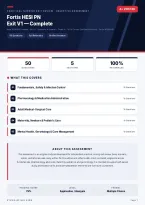
Fortis HESI PN
Exit V1 — Complete
New 2026/2027 Update · Exit V1 · Questions & Answers · Grade A · 100% Correct (Verified Solutions) · Fortis 2026/2027
50 Questions Full Rationales Verified Answers
50
QUE STI ONS
5
SE CTI ONS
100%
R AT I O N A L E S
WHAT T HIS C OVE R S
01 Fundamentals, Safety & Infection Control 10 Questions
02 Pharmacology & Medication Administration 10 Questions
03 Adult Medical-Surgical Care 10 Questions
04 Maternity, Newborn & Pediatric Care 10 Questions
05 Mental Health, Gerontology & Care Management 10 Questions
AB OUT T H I S AS S E S S ME NT
This assessment is an original study aid developed for independent practical nursing exit review. Every scenario,
option, and rationale was newly written for this edition and reflects safe, client-centered judgments across
fundamentals, pharmacology, adult care, maternity, pediatrics, and gerontology. It is intended to support self-paced
study, prioritization drills, and exam-preparation review for pre-licensure coursework.
PA S S I N G S C O R E LE VE L F O R M AT
75% Application / Analysis Multiple Choice
S T UVI A ACT UAL E X AM Pa g e 1
, SECTION 01 — FUNDAMENTALS, SAFETY & INFECTION CONTROL
Q1. A practical nurse finishes a sterile dressing change on a postoperative client, removes clean gloves, and
prepares to document at the hallway computer. Another staff member asks about the next required action
before touching any surface. What should the PN do next?
A. Apply a fresh pair of gloves before touching the keyboard
B. Wash only the fingertips with an alcohol-based hand rub
C. Wipe the keyboard with a disinfectant wipe before use
D. Perform hand hygiene immediately after glove removal
Correct Answer: D
Rationale: Gloves are not a substitute for hand hygiene, and microscopic contamination of the hands during care or
glove removal is routine. Hand hygiene immediately after glove removal is required before any new task, and wiping a
keyboard never replaces it.
Q2. A confused 84-year-old client attempts to climb over the side rails while a fall-risk assessment is being
completed. The charge nurse wants the least restrictive interventions implemented first. Which action
should the PN initiate?
A. Apply a vest restraint until the confusion resolves
B. Request a sedative so the client sleeps through the night
C. Lower the bed and place the call light within easy reach
D. Raise all four side rails to block climbing attempts
Correct Answer: C
Rationale: Environmental modifications such as a low bed position and an accessible call light reduce fall risk without
restricting movement, which makes them the correct first-line measures. Restraints and full rail enclosures increase
injury and are reserved for extreme, ordered circumstances after alternatives fail.
Q3. While setting up a sterile field for an indwelling catheter insertion, the PN accidentally reaches across
the open sterile tray to reposition a drape on the far side. No object has visibly touched the tray. What is the
correct response?
A. Discard the tray and establish an entirely new sterile setup
B. Continue the procedure because visual contact is the only standard
C. Ask a coworker to retrieve the item from the contaminated side
D. Pour sterile saline over the tray to rinse away potential organisms
Correct Answer: A
Rationale: Reaching across a sterile field contaminates it even when nothing is visibly touched, because organisms are
not detected by sight. Surgical asepsis requires starting over with fresh supplies rather than rinsing, spot-checking, or
working around a breach.
STUVIA ACTUAL EXAM · Page 2
, Q4. A client in the emergency department is violent and requires wrist restraints after less restrictive
measures failed. The PN is documenting the care provided under the current prescription. Which
requirement about restraint prescriptions must the PN honor?
A. A verbal order for restraints may stand for up to 72 hours
B. The restraint prescription must be renewed at least every 24 hours
C. Restraints continue until the client verbally agrees to behave
D. Only the family may request continuation of the restraint order
Correct Answer: B
Rationale: Restraint prescriptions are time-limited and must be renewed at least every 24 hours, with ongoing
reassessment of the client and continued attempts at less restrictive measures. Family requests and client promises
never substitute for a current provider order.
Q5. The PN is preparing to leave the room of a client on droplet precautions and is removing personal
protective equipment at the doorway. In what order should the equipment be removed to minimize
contamination?
A. Mask first, then gown, goggles, and gloves last
B. Goggles, gown, mask, and gloves removed together at the end
C. Gown, mask, gloves, and goggles in that sequence
D. Gloves first, then goggles, gown, and mask last
Correct Answer: D
Rationale: The most heavily contaminated item, the gloves, comes off first, followed by eye protection, then the gown,
with the mask or respirator removed last at the door. This sequence protects the mucous membranes and clothing from
soiled surfaces during removal.
Q6. Smoke is visible coming from a utility closet on a medical-surgical unit where the PN is caring for four
clients. The fire alarm has not yet been activated. Which action should the PN take first?
A. Rescue the clients who are in immediate danger from the smoke
B. Attempt to extinguish the fire with the nearest extinguisher
C. Close all doors and windows to contain the spreading smoke
D. Activate the facility alarm system at the nearest pull station
Correct Answer: A
Rationale: The RACE sequence begins with rescuing anyone in immediate danger before activating the alarm or
attempting containment. Extinguishing is the final step and only for small, safe fires once people are protected.
STUVIA ACTUAL EXAM · Page 3
PRA CTICA L NURSING EX IT REV IEW · OBJECTIV E A SSESSMENT
Fortis HESI PN
Exit V1 — Complete
New 2026/2027 Update · Exit V1 · Questions & Answers · Grade A · 100% Correct (Verified Solutions) · Fortis 2026/2027
50 Questions Full Rationales Verified Answers
50
QUE STI ONS
5
SE CTI ONS
100%
R AT I O N A L E S
WHAT T HIS C OVE R S
01 Fundamentals, Safety & Infection Control 10 Questions
02 Pharmacology & Medication Administration 10 Questions
03 Adult Medical-Surgical Care 10 Questions
04 Maternity, Newborn & Pediatric Care 10 Questions
05 Mental Health, Gerontology & Care Management 10 Questions
AB OUT T H I S AS S E S S ME NT
This assessment is an original study aid developed for independent practical nursing exit review. Every scenario,
option, and rationale was newly written for this edition and reflects safe, client-centered judgments across
fundamentals, pharmacology, adult care, maternity, pediatrics, and gerontology. It is intended to support self-paced
study, prioritization drills, and exam-preparation review for pre-licensure coursework.
PA S S I N G S C O R E LE VE L F O R M AT
75% Application / Analysis Multiple Choice
S T UVI A ACT UAL E X AM Pa g e 1
, SECTION 01 — FUNDAMENTALS, SAFETY & INFECTION CONTROL
Q1. A practical nurse finishes a sterile dressing change on a postoperative client, removes clean gloves, and
prepares to document at the hallway computer. Another staff member asks about the next required action
before touching any surface. What should the PN do next?
A. Apply a fresh pair of gloves before touching the keyboard
B. Wash only the fingertips with an alcohol-based hand rub
C. Wipe the keyboard with a disinfectant wipe before use
D. Perform hand hygiene immediately after glove removal
Correct Answer: D
Rationale: Gloves are not a substitute for hand hygiene, and microscopic contamination of the hands during care or
glove removal is routine. Hand hygiene immediately after glove removal is required before any new task, and wiping a
keyboard never replaces it.
Q2. A confused 84-year-old client attempts to climb over the side rails while a fall-risk assessment is being
completed. The charge nurse wants the least restrictive interventions implemented first. Which action
should the PN initiate?
A. Apply a vest restraint until the confusion resolves
B. Request a sedative so the client sleeps through the night
C. Lower the bed and place the call light within easy reach
D. Raise all four side rails to block climbing attempts
Correct Answer: C
Rationale: Environmental modifications such as a low bed position and an accessible call light reduce fall risk without
restricting movement, which makes them the correct first-line measures. Restraints and full rail enclosures increase
injury and are reserved for extreme, ordered circumstances after alternatives fail.
Q3. While setting up a sterile field for an indwelling catheter insertion, the PN accidentally reaches across
the open sterile tray to reposition a drape on the far side. No object has visibly touched the tray. What is the
correct response?
A. Discard the tray and establish an entirely new sterile setup
B. Continue the procedure because visual contact is the only standard
C. Ask a coworker to retrieve the item from the contaminated side
D. Pour sterile saline over the tray to rinse away potential organisms
Correct Answer: A
Rationale: Reaching across a sterile field contaminates it even when nothing is visibly touched, because organisms are
not detected by sight. Surgical asepsis requires starting over with fresh supplies rather than rinsing, spot-checking, or
working around a breach.
STUVIA ACTUAL EXAM · Page 2
, Q4. A client in the emergency department is violent and requires wrist restraints after less restrictive
measures failed. The PN is documenting the care provided under the current prescription. Which
requirement about restraint prescriptions must the PN honor?
A. A verbal order for restraints may stand for up to 72 hours
B. The restraint prescription must be renewed at least every 24 hours
C. Restraints continue until the client verbally agrees to behave
D. Only the family may request continuation of the restraint order
Correct Answer: B
Rationale: Restraint prescriptions are time-limited and must be renewed at least every 24 hours, with ongoing
reassessment of the client and continued attempts at less restrictive measures. Family requests and client promises
never substitute for a current provider order.
Q5. The PN is preparing to leave the room of a client on droplet precautions and is removing personal
protective equipment at the doorway. In what order should the equipment be removed to minimize
contamination?
A. Mask first, then gown, goggles, and gloves last
B. Goggles, gown, mask, and gloves removed together at the end
C. Gown, mask, gloves, and goggles in that sequence
D. Gloves first, then goggles, gown, and mask last
Correct Answer: D
Rationale: The most heavily contaminated item, the gloves, comes off first, followed by eye protection, then the gown,
with the mask or respirator removed last at the door. This sequence protects the mucous membranes and clothing from
soiled surfaces during removal.
Q6. Smoke is visible coming from a utility closet on a medical-surgical unit where the PN is caring for four
clients. The fire alarm has not yet been activated. Which action should the PN take first?
A. Rescue the clients who are in immediate danger from the smoke
B. Attempt to extinguish the fire with the nearest extinguisher
C. Close all doors and windows to contain the spreading smoke
D. Activate the facility alarm system at the nearest pull station
Correct Answer: A
Rationale: The RACE sequence begins with rescuing anyone in immediate danger before activating the alarm or
attempting containment. Extinguishing is the final step and only for small, safe fires once people are protected.
STUVIA ACTUAL EXAM · Page 3


