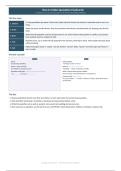
🧠 How to Make Quotation Flashcards
A method you can use for any poem in the Power and Conflict anthology
The five steps
5–6 key quotations per poem. Short ones (under about 8 words) are easiest to remember and to use in an
1. Choose
essay.
Write the poem and the theme, then the quotation with the key words blanked out, keeping only the first
2. Front
letter.
Write the full quotation, one key word to zoom in on, what it shows about power or conflict, and a quote
3. Back
from another poem to compare it with.
Read the front, say or write the full quotation from memory, then flip to check. Then explain the back aloud
4. Test
without looking.
Make three piles: know it / nearly / not yet. Review “not yet” daily, “nearly” every few days and “know it”
5. Sort
once a week.
Worked example
FRONT BACK
Poem: Full quotation:
Ozymandias (Shelley) “Nothing beside remains”
Theme / type of power: Zoom in: key word + connotations
The futility of arrogant power “Nothing” – death, emptiness, finality
Quotation with gaps: blank key words, keep first letters What it shows about power/conflict:
“N______ beside r______” Human power and achievement are temporary.
Compare with: poem + quote
My Last Duchess – “I choose / Never to stoop” (pride that seems
permanent)
Top tips
• Choose quotations that fit more than one theme, so each card works for several essay questions.
• Little and often works best: 10 minutes a day beats one long session before a test.
• Write the quotation out as well as saying it, since exams test spelling and accuracy too.
• Once you know a quotation, use the back to say a mini PETAL+ point aloud: point, evidence, technique, analysis, link.
Cut along the dashed lines · Fold along the dotted middle line