
Pediatrics
Pediatrics
(Part III).pdfPediatrics
Pediatrics
(Part III)Pediatrics
(Part III)Pediatrics
(Part(Part
III)Pediatrics
III)!!!!!!!!!!!!!!!!!!!!!!!!!!!!!!!!!~~~~~~~~~~~~~~~~~~~~~~~~~~~~~~~&&&&&&&&############################@@@@@@@@@@@@@@@@22/2026//2027
(Part III)!!!!!!!!!!!!!!!!!!!!!!!!!!!!!!!!!~~~~~~~~~~~~~~~~~~~~~~~~~~~~~~~&&&&&&&&############################@@@@@@@@@@@@@@@@22/2026//2027
(Part III)!!!!!!!!!!!!!!!!!!!!!!!!!!!!!!!!!~~~~~~~~~~~~~~~~~~~~~~~~~~~~~~~&&&&&&&&############################@@@@@@@@@@@@@@@@22/2026//2027
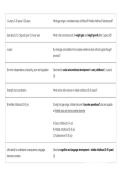
1-4 years; 5-10 years; 11-20 years What age range is considered early childhood? Middle childhood? Adolescents?
Gain about 2 to 3 kg and grow 5 cm per year What is the normal amount of weight gain and height growth after 2 years old?
4 years By what age can toddlers form complex sentences (but without logical thought
process)?
Drive for independence, impulsivity, poor self-regulation Describe the social and emotional development in early childhood (1-4 years):
(3)
Strength and coordination What motor skills improve in middle childhood (5-10 years)?
B) Middle childhood (5-10 yo) During this age range, children become "concrete operational" and are capable
of limited logic and more complex learning
A) Early childhood (1-4 yo)
B) Middle childhood (5-10 yo)
C) Adolescence (11-20 yo)
Little ability to understand consequences; language Describe cognitive and language development in middle childhood (5-10 years):
becomes complex (2)
Pediatrics
Pediatrics
(Part III)Pediatrics
Pediatrics
(Part III)Pediatrics
(Part
(Part
III)Pediatrics
III)!!!!!!!!!!!!!!!!!!!!!!!!!!!!!!!!!~~~~~~~~~~~~~~~~~~~~~~~~~~~~~~~&&&&&&&&############################@@@@@@@@@@@@@@@@22/2026//2027
(Part III)!!!!!!!!!!!!!!!!!!!!!!!!!!!!!!!!!~~~~~~~~~~~~~~~~~~~~~~~~~~~~~~~&&&&&&&&############################@@@@@@@@@@@@@@@@22/2026//2027
(Part III)!!!!!!!!!!!!!!!!!!!!!!!!!!!!!!!!!~~~~~~~~~~~~~~~~~~~~~~~~~~~~~~~&&&&&&&&############################@@@@@@@@@@@@@@@@22/2026//2027
, Pediatrics
Pediatrics
(Part III).pdfPediatrics
Pediatrics
(Part III)Pediatrics
(Part III)Pediatrics
(Part(Part
III)Pediatrics
III)!!!!!!!!!!!!!!!!!!!!!!!!!!!!!!!!!~~~~~~~~~~~~~~~~~~~~~~~~~~~~~~~&&&&&&&&############################@@@@@@@@@@@@@@@@22/2026//2027
(Part III)!!!!!!!!!!!!!!!!!!!!!!!!!!!!!!!!!~~~~~~~~~~~~~~~~~~~~~~~~~~~~~~~&&&&&&&&############################@@@@@@@@@@@@@@@@22/2026//2027
(Part III)!!!!!!!!!!!!!!!!!!!!!!!!!!!!!!!!!~~~~~~~~~~~~~~~~~~~~~~~~~~~~~~~&&&&&&&&############################@@@@@@@@@@@@@@@@22/2026//2027
More independent, self-esteem, clear sense of "right and Describe social and emotional development in middle childhood (5-10 years): (3)
wrong"
12-15-18-24 months, yearly at age 3 Frequency of well-child visits starting at 12 months old:
Height/weight, BP, HR, RR, temperature What are important vitals/measurements in young and school-aged children? (5)
Obesity Why does an increasing proportion of older children and adolescents have
essential or primary hypertension?
5th-85th percentile; >95th percentile What is considered healthy weight in young and school-aged children? What
about obese?
<90th percentile; >95th percentile What is considered normal BP in young and school-aged children? What about
hypertension?
Determine whether gaze is conjugate, test visual acuity; What are the two most important components of eye examination for young
cover/uncover test, pediatric Snellen chart children? How do you test these?
Pediatrics
Pediatrics
(Part III)Pediatrics
Pediatrics
(Part III)Pediatrics
(Part
(Part
III)Pediatrics
III)!!!!!!!!!!!!!!!!!!!!!!!!!!!!!!!!!~~~~~~~~~~~~~~~~~~~~~~~~~~~~~~~&&&&&&&&############################@@@@@@@@@@@@@@@@22/2026//2027
(Part III)!!!!!!!!!!!!!!!!!!!!!!!!!!!!!!!!!~~~~~~~~~~~~~~~~~~~~~~~~~~~~~~~&&&&&&&&############################@@@@@@@@@@@@@@@@22/2026//2027
(Part III)!!!!!!!!!!!!!!!!!!!!!!!!!!!!!!!!!~~~~~~~~~~~~~~~~~~~~~~~~~~~~~~~&&&&&&&&############################@@@@@@@@@@@@@@@@22/2026//2027
Pediatrics
(Part III).pdfPediatrics
Pediatrics
(Part III)Pediatrics
(Part III)Pediatrics
(Part(Part
III)Pediatrics
III)!!!!!!!!!!!!!!!!!!!!!!!!!!!!!!!!!~~~~~~~~~~~~~~~~~~~~~~~~~~~~~~~&&&&&&&&############################@@@@@@@@@@@@@@@@22/2026//2027
(Part III)!!!!!!!!!!!!!!!!!!!!!!!!!!!!!!!!!~~~~~~~~~~~~~~~~~~~~~~~~~~~~~~~&&&&&&&&############################@@@@@@@@@@@@@@@@22/2026//2027
(Part III)!!!!!!!!!!!!!!!!!!!!!!!!!!!!!!!!!~~~~~~~~~~~~~~~~~~~~~~~~~~~~~~~&&&&&&&&############################@@@@@@@@@@@@@@@@22/2026//2027
1-4 years; 5-10 years; 11-20 years What age range is considered early childhood? Middle childhood? Adolescents?
Gain about 2 to 3 kg and grow 5 cm per year What is the normal amount of weight gain and height growth after 2 years old?
4 years By what age can toddlers form complex sentences (but without logical thought
process)?
Drive for independence, impulsivity, poor self-regulation Describe the social and emotional development in early childhood (1-4 years):
(3)
Strength and coordination What motor skills improve in middle childhood (5-10 years)?
B) Middle childhood (5-10 yo) During this age range, children become "concrete operational" and are capable
of limited logic and more complex learning
A) Early childhood (1-4 yo)
B) Middle childhood (5-10 yo)
C) Adolescence (11-20 yo)
Little ability to understand consequences; language Describe cognitive and language development in middle childhood (5-10 years):
becomes complex (2)
Pediatrics
Pediatrics
(Part III)Pediatrics
Pediatrics
(Part III)Pediatrics
(Part
(Part
III)Pediatrics
III)!!!!!!!!!!!!!!!!!!!!!!!!!!!!!!!!!~~~~~~~~~~~~~~~~~~~~~~~~~~~~~~~&&&&&&&&############################@@@@@@@@@@@@@@@@22/2026//2027
(Part III)!!!!!!!!!!!!!!!!!!!!!!!!!!!!!!!!!~~~~~~~~~~~~~~~~~~~~~~~~~~~~~~~&&&&&&&&############################@@@@@@@@@@@@@@@@22/2026//2027
(Part III)!!!!!!!!!!!!!!!!!!!!!!!!!!!!!!!!!~~~~~~~~~~~~~~~~~~~~~~~~~~~~~~~&&&&&&&&############################@@@@@@@@@@@@@@@@22/2026//2027
, Pediatrics
Pediatrics
(Part III).pdfPediatrics
Pediatrics
(Part III)Pediatrics
(Part III)Pediatrics
(Part(Part
III)Pediatrics
III)!!!!!!!!!!!!!!!!!!!!!!!!!!!!!!!!!~~~~~~~~~~~~~~~~~~~~~~~~~~~~~~~&&&&&&&&############################@@@@@@@@@@@@@@@@22/2026//2027
(Part III)!!!!!!!!!!!!!!!!!!!!!!!!!!!!!!!!!~~~~~~~~~~~~~~~~~~~~~~~~~~~~~~~&&&&&&&&############################@@@@@@@@@@@@@@@@22/2026//2027
(Part III)!!!!!!!!!!!!!!!!!!!!!!!!!!!!!!!!!~~~~~~~~~~~~~~~~~~~~~~~~~~~~~~~&&&&&&&&############################@@@@@@@@@@@@@@@@22/2026//2027
More independent, self-esteem, clear sense of "right and Describe social and emotional development in middle childhood (5-10 years): (3)
wrong"
12-15-18-24 months, yearly at age 3 Frequency of well-child visits starting at 12 months old:
Height/weight, BP, HR, RR, temperature What are important vitals/measurements in young and school-aged children? (5)
Obesity Why does an increasing proportion of older children and adolescents have
essential or primary hypertension?
5th-85th percentile; >95th percentile What is considered healthy weight in young and school-aged children? What
about obese?
<90th percentile; >95th percentile What is considered normal BP in young and school-aged children? What about
hypertension?
Determine whether gaze is conjugate, test visual acuity; What are the two most important components of eye examination for young
cover/uncover test, pediatric Snellen chart children? How do you test these?
Pediatrics
Pediatrics
(Part III)Pediatrics
Pediatrics
(Part III)Pediatrics
(Part
(Part
III)Pediatrics
III)!!!!!!!!!!!!!!!!!!!!!!!!!!!!!!!!!~~~~~~~~~~~~~~~~~~~~~~~~~~~~~~~&&&&&&&&############################@@@@@@@@@@@@@@@@22/2026//2027
(Part III)!!!!!!!!!!!!!!!!!!!!!!!!!!!!!!!!!~~~~~~~~~~~~~~~~~~~~~~~~~~~~~~~&&&&&&&&############################@@@@@@@@@@@@@@@@22/2026//2027
(Part III)!!!!!!!!!!!!!!!!!!!!!!!!!!!!!!!!!~~~~~~~~~~~~~~~~~~~~~~~~~~~~~~~&&&&&&&&############################@@@@@@@@@@@@@@@@22/2026//2027


