
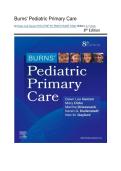
Burns' Pediatric Primary Care
by Dawn Lee Garzon PhD CPNP-PC PMHS FAANP FAAN (Editor), & 4 more
8th Edition
,TABLE OF CONTENTS
1. Pediatric Primary Care
2. Global and National Influences on Child Health Status
3. Environmental Influences on Pediatric Health
4. Justice, Equity, Inclusion, and Diversity
5. Pediatric and Family Assessment
6. Behavioral and Mental Health Promotion
7. Sexuality and Gender Identity
8. Developmental Principles and Theories
9. Developmental Management of Newborns and Neonates
10. Developmental Management of Infants
11. Developmental Management of Early Childhood
12. Developmental Management of Middle Childhood
13. Developmental Management of Adolescents
14. Nutrition
15. Breastfeeding
16. Sleep
17. Elimination
18. Physical Activity and Sports
19. Immunizations
20. Dental and Oral Health
21. Pediatric Injury Prevention
22. Child Maltreatment
23. Prescribing Traditional and Complementary Therapies
24. Pediatric Pain and Fever Management
25. Pediatric Injuries and Toxic Exposures
26. Pediatric Palliative Care
27. Congenital and Inherited Disorders
,28. Neonatal Disorders
29. Neurodivergence and Behavioral and Mental Health Disorders
30. Eye and Vision Disorders
31. Ear and Hearing Disorders
32. Respiratory Disorders
33. Cardiovascular Disorders
34. Gastrointestinal Disorders
35. Infectious Diseases
36. Inflammatory Disorders
37. Dermatologic Disorders
38. Hematologic Disorders
39. Endocrine and Metabolic Disorders
40. Musculoskeletal Disorders
41. Neurologic Disorders
42. Genitourinary Disorders
43. Gynecology and Reproductive Health
, TEST BANK: Burns' Pediatric Primary Care, 8th Edition
Chapters 1–43 | 10 Questions & Rationales per Chapter
CHAPTER 1: Pediatric Primary Care
1. Which of the following best describes the primary focus of pediatric primary care?
A. Management of acute, life-threatening illnesses in hospitalized children
B. Health promotion, disease prevention, and management of common acute and chronic conditions in
community settings
C. Surgical intervention for congenital anomalies
D. Subspecialty referral coordination for complex multisystem disorders
Answer: B
Rationale: Pediatric primary care centers on health promotion, illness prevention, and the management
of common acute and chronic conditions within community-based settings. While primary care
providers coordinate referrals (D), their focus is broader and more preventive. Acute hospital
management (A) and surgical intervention (C) fall under secondary and tertiary care.
2. The medical home model in pediatric primary care is best characterized by which of the following?
A. A hospital-based clinic that provides episodic care
B. A care model that is accessible, continuous, comprehensive, family-centered, coordinated,
compassionate, and culturally effective
C. A specialty-driven model focused on subspecialty management
D. A model limited to well-child visits and immunizations
Answer: B
Rationale: The American Academy of Pediatrics (AAP) defines the medical home as care that is
accessible, continuous, comprehensive, family-centered, coordinated, compassionate, and culturally
effective. It extends well beyond episodic (A) or immunization-only care (D) and is primary-care driven
rather than subspecialty-driven (C).
3. A pediatric nurse practitioner (PNP) is explaining the scope of pediatric primary care to a new
colleague. Which statement is most accurate?
A. Pediatric primary care only addresses children from birth to age 12.
B. Pediatric primary care includes adolescents up to age 21 in some settings and encompasses
anticipatory guidance, screening, and chronic disease management.
C. Pediatric primary care providers do not manage behavioral health concerns.
D. Pediatric primary care is exclusively provided by physicians.
Answer: B
Rationale: Pediatric primary care typically spans from birth through adolescence and young adulthood
(up to age 21 in many practices). It includes anticipatory guidance, developmental screening, behavioral
by Dawn Lee Garzon PhD CPNP-PC PMHS FAANP FAAN (Editor), & 4 more
8th Edition
,TABLE OF CONTENTS
1. Pediatric Primary Care
2. Global and National Influences on Child Health Status
3. Environmental Influences on Pediatric Health
4. Justice, Equity, Inclusion, and Diversity
5. Pediatric and Family Assessment
6. Behavioral and Mental Health Promotion
7. Sexuality and Gender Identity
8. Developmental Principles and Theories
9. Developmental Management of Newborns and Neonates
10. Developmental Management of Infants
11. Developmental Management of Early Childhood
12. Developmental Management of Middle Childhood
13. Developmental Management of Adolescents
14. Nutrition
15. Breastfeeding
16. Sleep
17. Elimination
18. Physical Activity and Sports
19. Immunizations
20. Dental and Oral Health
21. Pediatric Injury Prevention
22. Child Maltreatment
23. Prescribing Traditional and Complementary Therapies
24. Pediatric Pain and Fever Management
25. Pediatric Injuries and Toxic Exposures
26. Pediatric Palliative Care
27. Congenital and Inherited Disorders
,28. Neonatal Disorders
29. Neurodivergence and Behavioral and Mental Health Disorders
30. Eye and Vision Disorders
31. Ear and Hearing Disorders
32. Respiratory Disorders
33. Cardiovascular Disorders
34. Gastrointestinal Disorders
35. Infectious Diseases
36. Inflammatory Disorders
37. Dermatologic Disorders
38. Hematologic Disorders
39. Endocrine and Metabolic Disorders
40. Musculoskeletal Disorders
41. Neurologic Disorders
42. Genitourinary Disorders
43. Gynecology and Reproductive Health
, TEST BANK: Burns' Pediatric Primary Care, 8th Edition
Chapters 1–43 | 10 Questions & Rationales per Chapter
CHAPTER 1: Pediatric Primary Care
1. Which of the following best describes the primary focus of pediatric primary care?
A. Management of acute, life-threatening illnesses in hospitalized children
B. Health promotion, disease prevention, and management of common acute and chronic conditions in
community settings
C. Surgical intervention for congenital anomalies
D. Subspecialty referral coordination for complex multisystem disorders
Answer: B
Rationale: Pediatric primary care centers on health promotion, illness prevention, and the management
of common acute and chronic conditions within community-based settings. While primary care
providers coordinate referrals (D), their focus is broader and more preventive. Acute hospital
management (A) and surgical intervention (C) fall under secondary and tertiary care.
2. The medical home model in pediatric primary care is best characterized by which of the following?
A. A hospital-based clinic that provides episodic care
B. A care model that is accessible, continuous, comprehensive, family-centered, coordinated,
compassionate, and culturally effective
C. A specialty-driven model focused on subspecialty management
D. A model limited to well-child visits and immunizations
Answer: B
Rationale: The American Academy of Pediatrics (AAP) defines the medical home as care that is
accessible, continuous, comprehensive, family-centered, coordinated, compassionate, and culturally
effective. It extends well beyond episodic (A) or immunization-only care (D) and is primary-care driven
rather than subspecialty-driven (C).
3. A pediatric nurse practitioner (PNP) is explaining the scope of pediatric primary care to a new
colleague. Which statement is most accurate?
A. Pediatric primary care only addresses children from birth to age 12.
B. Pediatric primary care includes adolescents up to age 21 in some settings and encompasses
anticipatory guidance, screening, and chronic disease management.
C. Pediatric primary care providers do not manage behavioral health concerns.
D. Pediatric primary care is exclusively provided by physicians.
Answer: B
Rationale: Pediatric primary care typically spans from birth through adolescence and young adulthood
(up to age 21 in many practices). It includes anticipatory guidance, developmental screening, behavioral


