
Nur 155 exam 4 (med admin)
Nur 155: exam 4 (med admin)
Study online at https://quizlet.com/_juw2o7
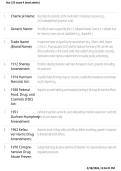
1. Chemical Name: Describes the elements of the medication's molecular structure (e.g.,
2-(4-isobutylphenyl) propionic acid).
2. Generic Name: The official name assigned by the U.S. Adopted Names Council; it is simpler than
the chemical name and not capitalized (e.g., ibuprofen ).
3. Trade Name A registered name assigned by the manufacturer (e.g., Motrin, Advil, Nuprin
(Brand Name): ). The U.S. Pharmacopeia (USP) and the National Formulary (NF) are the only
official authorities in the United States that establish drug standards, ensuring
medications meet rigorous requirements for quality, purity, and potency.
4. 1912 Sherley Prohibits labeling medicines with false therapeutic claims; prevents defrauding
Amendment: the purchaser.
5. 1914 Harrison Classified habit-forming drugs as narcotics; established mandatory record-keep-
Narcotic Act: ing for dispensing.
6. 1938 Federal Requires accurate labeling and mandatory testing of all drugs for harmful effects.
Food, Drug, and
Cosmetic (FDC)
Act:
7. 1951 Defined drugs that cannot be used safely without medical supervision; restricted
them to prescription only.
Durham-Humphrey
Amendment:
8. 1962 Kefau- Requires proof of drug safety and efficacy before marketing; passed in response
ver-Harris Drug to thalidomide birth defects.
Amendments:
9. 1970 Compre- Categorized drugs by abuse potential (Schedules I-V); replaced previous laws and
hensive Drug regulated possession.
Abuse Preven-
9/18/2026, 12:56:21 PM
, Nur 155 exam 4 (med admin)
Nur 155: exam 4 (med admin)
Study online at https://quizlet.com/_juw2o7
tion and Control
Act:
10. 1997 FDA Mod- Accelerated review of approved drugs and regulated health claims for foods.
ernization Act:
11. 2004 Project Expedited review for treatments against chemical, biological, or nuclear attacks.
BioShield Act:
12. 2013 Drug Qual- Outlines an electronic, interoperable system to identify and trace prescription
ity and Security drugs.
Act:
13. Controlled Sub- High potential; no currently accepted medical use in the U.S; Heroin, LSD,
stances 1: methaqualone
14. Controlled Sub- High potential; may lead to severe physical/psychological dependence; Mor-
stances 2: phine, cocaine, methadone, methamphetamine
15. Controlled Sub- Lower potential than I or II; moderate to low dependence risk; Anabolic steroids,
stances 3: narcotics with aspirin/acetaminophen
16. Controlled Sub- Low potential relative to III; may lead to limited dependence; Pentazocine,
stances 4: meprobamate, diazepam, alprazolam
17. Controlled Sub- Lowest potential; contains limited quantities of certain narcotics; OTC cough
stances 5: medicines with codeine
18. Legal/Ethical Pro- Nurses have the right and responsibility to refuse medication administration if
tocol for medica- they believe it endangers a patient. If an order is unclear or potentially harmful,
tions: the nurse must consult the Primary Care Provider (PCP). The SBAR (Situation,
Background, Assessment, Recommendation)
19. State the issue (e.g., "The prescribed dose of warfarin appears high").
9/18/2026, 12:56:21 PM
Nur 155: exam 4 (med admin)
Study online at https://quizlet.com/_juw2o7
1. Chemical Name: Describes the elements of the medication's molecular structure (e.g.,
2-(4-isobutylphenyl) propionic acid).
2. Generic Name: The official name assigned by the U.S. Adopted Names Council; it is simpler than
the chemical name and not capitalized (e.g., ibuprofen ).
3. Trade Name A registered name assigned by the manufacturer (e.g., Motrin, Advil, Nuprin
(Brand Name): ). The U.S. Pharmacopeia (USP) and the National Formulary (NF) are the only
official authorities in the United States that establish drug standards, ensuring
medications meet rigorous requirements for quality, purity, and potency.
4. 1912 Sherley Prohibits labeling medicines with false therapeutic claims; prevents defrauding
Amendment: the purchaser.
5. 1914 Harrison Classified habit-forming drugs as narcotics; established mandatory record-keep-
Narcotic Act: ing for dispensing.
6. 1938 Federal Requires accurate labeling and mandatory testing of all drugs for harmful effects.
Food, Drug, and
Cosmetic (FDC)
Act:
7. 1951 Defined drugs that cannot be used safely without medical supervision; restricted
them to prescription only.
Durham-Humphrey
Amendment:
8. 1962 Kefau- Requires proof of drug safety and efficacy before marketing; passed in response
ver-Harris Drug to thalidomide birth defects.
Amendments:
9. 1970 Compre- Categorized drugs by abuse potential (Schedules I-V); replaced previous laws and
hensive Drug regulated possession.
Abuse Preven-
9/18/2026, 12:56:21 PM
, Nur 155 exam 4 (med admin)
Nur 155: exam 4 (med admin)
Study online at https://quizlet.com/_juw2o7
tion and Control
Act:
10. 1997 FDA Mod- Accelerated review of approved drugs and regulated health claims for foods.
ernization Act:
11. 2004 Project Expedited review for treatments against chemical, biological, or nuclear attacks.
BioShield Act:
12. 2013 Drug Qual- Outlines an electronic, interoperable system to identify and trace prescription
ity and Security drugs.
Act:
13. Controlled Sub- High potential; no currently accepted medical use in the U.S; Heroin, LSD,
stances 1: methaqualone
14. Controlled Sub- High potential; may lead to severe physical/psychological dependence; Mor-
stances 2: phine, cocaine, methadone, methamphetamine
15. Controlled Sub- Lower potential than I or II; moderate to low dependence risk; Anabolic steroids,
stances 3: narcotics with aspirin/acetaminophen
16. Controlled Sub- Low potential relative to III; may lead to limited dependence; Pentazocine,
stances 4: meprobamate, diazepam, alprazolam
17. Controlled Sub- Lowest potential; contains limited quantities of certain narcotics; OTC cough
stances 5: medicines with codeine
18. Legal/Ethical Pro- Nurses have the right and responsibility to refuse medication administration if
tocol for medica- they believe it endangers a patient. If an order is unclear or potentially harmful,
tions: the nurse must consult the Primary Care Provider (PCP). The SBAR (Situation,
Background, Assessment, Recommendation)
19. State the issue (e.g., "The prescribed dose of warfarin appears high").
9/18/2026, 12:56:21 PM


