

Written by students who passed Immediately available after payment Read online or as PDF Wrong document? Swap it for free 4.6 TrustPilot
logo-home
Document preview thumbnail
Preview 2 out of 15 pages
Exam (elaborations)

NUR254 Exam 4 Questions & Answers 2026/2027 | 40+ Topics | Pediatric Hematology, Cancer, Neurology, Endocrine, Skin & Musculoskeletal Disorders

Document preview thumbnail
Preview 2 out of 15 pages

This NUR254 Exam 4 2026/2027 study resource provides an intensive 15-page pediatric nursing review covering 40+ major exam topics, with concise answers, signs and symptoms, treatments, nursing interventions, safety precautions, and high-yield clinical points. The material spans iron-deficiency anemia, sickle cell anemia, hemophilia, leukemia, pediatric cancers, increased intracranial pressure, hydrocephalus, meningitis, seizures, cerebral palsy, spina bifida, ADHD, autism, Down syndrome, endocrine and metabolic disorders, dermatologic conditions, fractures, traction, amputations, developmental dysplasia of the hip, clubfoot, osteomyelitis, juvenile idiopathic arthritis, pediatric concepts of death, and laboratory values. The document identifies NUR254 Exam 4 and the 2026/2027 academic period but does not name a university, so an institution cannot be accurately included in the title. The hematology section begins with iron-deficiency anemia, including lethargy, pallor, tachycardia, pica, iron-rich foods, supplementation, CBC and coagulation monitoring, oxygenation, hydration, and the document's instruction to take iron with citrus and avoid administering it with dairy. Sickle cell anemia is reviewed through hypoxia, splenomegaly, pain, retinopathy, cerebrovascular complications and chest pain, alongside hydration, oxygenation, infection prevention and pain management. Hemophilia content emphasizes bleeding precautions, factor replacement, desmopressin, aminocaproic acid, RICE, dental hygiene, environmental safety and avoidance of activities that increase injury risk. The resource provides concentrated coverage of pediatric oncology, including leukemia (ALL/AML), neuroblastoma, osteogenic sarcoma, Ewing sarcoma, Wilms tumor and retinoblastoma. Students review leukemia-associated infection, anemia, bleeding and neutropenia as well as chemotherapy and protective measures. Neuroblastoma is associated in the document with a primary abdominal site and a firm mass, while Wilms tumor is identified as a common pediatric kidney tumor with a painless, firm abdominal mass; both sections emphasize avoiding palpation. Bone-cancer content differentiates osteogenic sarcoma near growth plates from Ewing sarcoma involving long and trunk bones and covers surgery, chemotherapy, radiation, possible amputation and postoperative nursing care. Retinoblastoma review includes the characteristic white pupillary appearance, strabismus and treatment approaches such as chemotherapy, irradiation, cryotherapy and photocoagulation. Neurological content addresses increased intracranial pressure (ICP), hydrocephalus, decorticate and decerebrate posturing, bacterial meningitis, Reye syndrome, seizures, cerebral palsy and myelomeningocele. Increased ICP manifestations include personality changes, bulging fontanels, high-pitched crying, lethargy, headache, projectile vomiting and inability to follow simple commands. Nursing interventions include neurological and reflex assessment, head-of-bed elevation, midline positioning, reduced stimulation, monitoring vital signs and intake/output, and seizure precautions. Hydrocephalus content covers VP shunting and infection monitoring, while meningitis includes nuchal rigidity, Kernig and Brudzinski signs, photosensitivity and antibiotic therapy. The developmental and behavioral portion covers cerebral palsy, ADHD/ADD, autism spectrum disorder and Down syndrome. Cerebral palsy content reviews abnormal muscle tone and posture, spastic or ataxic movement, delayed gross-motor development, feeding difficulties and altered reflexes, with interventions directed toward maximizing function and socialization. ADHD material emphasizes hyperactivity, distractibility, selective attention, medication timing, behavioral therapy, nutrition and safety. Autism review includes difficulties with social interaction and communication, sensitivity to stimulation and attachment to objects, while nursing interventions emphasize structure, safety, therapy and family support. The endocrine and metabolic section includes precocious puberty, hypothyroidism, diabetes and phenylketonuria (PKU). The document distinguishes precocious puberty as occurring before age 8 in girls and before age 9 in boys and identifies Lupron as the listed treatment. Hypothyroidism content includes lethargy, impaired cognitive function, poor growth and replacement therapy. Diabetes review uses the high-yield distinction of cold and clammy manifestations with hypoglycemia versus hot and dry manifestations with hyperglycemia. PKU content addresses failure to thrive, vomiting, irritability and behavioral manifestations together with dietary management and avoidance of foods identified in the document. Skin and infectious-condition review includes impetigo, atopic dermatitis/eczema, pediculosis capitis and animal bites. Students review the honey-crusted lesions associated with impetigo, antibiotic treatment and warm-compress care; eczema management through hydration, itch relief, infection prevention, tepid bathing, mild soaps, avoidance of allergens and overheating, antihistamines and topical therapies; lice treatment with pediculicides and nit removal; and wound irrigation, tetanus, rabies and antibiotic considerations following animal bites. A substantial musculoskeletal section covers pediatric fractures, compartment syndrome, traction, amputation, developmental dysplasia of the hip, clubfoot, osteomyelitis and juvenile idiopathic arthritis. High-yield concepts include the six Ps associated with compartment syndrome—paresthesia, pain, pallor, paralysis, pulselessness and pressure—along with neurovascular monitoring during traction and cast care. Hip dysplasia review includes asymmetric skin folds, leg-length differences, restricted abduction, Ortolani and Barlow findings, the Pavlik harness for younger infants and spica casting for older infants and toddlers as presented in the document. Clubfoot management includes the Ponseti method with serial casting, while osteomyelitis and juvenile idiopathic arthritis sections review infection, pain, antibiotics, NSAIDs, heat, antirheumatic drugs and preservation of function. The final portion addresses pediatric understanding of death across developmental stages and provides selected laboratory reference values. The notes distinguish toddler, preschool, school-age and adolescent concepts of death, including beliefs about reversibility, magical thinking, curiosity about bodily changes and adolescent feelings of invulnerability. The document concludes with WBC, platelet, hemoglobin and hematocrit values for quick exam review. Relevant students: This resource is particularly relevant for NUR254 students, pediatric nursing students, BSN students, ADN students, practical nursing students, LPN/LVN students, pre-licensure nursing students, child health nursing students, pediatric medical-surgical nursing students, and students preparing for examinations involving pediatric hematology, oncology, neurological, developmental, endocrine, dermatological and musculoskeletal disorders. Its condensed signs-and-symptoms, treatment and nursing-intervention format makes it especially useful for rapid Exam 4 review and active recall. Referenced academic source: Hockenberry, M. J., Wilson, D., & Rodgers, C. C. Wong's Nursing Care of Infants and Children. Elsevier. This established pediatric nursing reference is relevant to the document's central areas, including childhood hematologic disorders, pediatric oncology, neurological conditions, developmental and behavioral disorders, endocrine and metabolic conditions, skin disorders, musculoskeletal conditions, family-centered nursing and pediatric end-of-life care. Keywords: NUR254 Exam 4, NUR 254 questions and answers, NUR, pediatric nursing exam, pediatric nursing study guide, child health nursing, iron deficiency anemia, sickle cell anemia, hemophilia, pediatric leukemia, ALL leukemia, AML leukemia, neutropenia nursing, neuroblastoma, osteogenic sarcoma, Ewing sarcoma, Wilms tumor, retinoblastoma, pediatric cancer nursing, increased intracranial pressure, ICP nursing, hydrocephalus, VP shunt, bacterial meningitis, Reye syndrome, pediatric seizures, cerebral palsy, spina bifida, myelomeningocele, ADHD nursing, autism nursing, Down syndrome, submersion injury, precocious puberty, pediatric hypothyroidism, pediatric diabetes, hypoglycemia, hyperglycemia, PKU nursing, impetigo, atopic dermatitis, eczema, pediculosis capitis, pediatric fractures, compartment syndrome, traction nursing, pediatric amputation, developmental dysplasia of the hip, Pavlik harness, spica cast, clubfoot, Ponseti method, osteomyelitis, juvenile idiopathic arthritis, pediatric end of life care, pediatric lab values, pediatric nursing Exam 4

Content preview

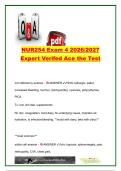
NUR254 Exam 4 2026/2027
Expert Verifed Ace the Test


iron deficiency anemia - ANSWER ✔✔SXS: lethargic, pallor,

increased bleeding, murmur, (tachycardia), cyanosis, polycythemia,

PICA

Tx: iron rich diet, supplements

NI: cbc, coagulation, food diary, fix underlying cause, maintain o2,

hydration, tx infection/bleeding, **avoid with dairy, take with citrus**


**most common**


sickle cell anemia - ANSWER ✔✔s/s: hypoxia, splenomegaly, pain,

retinopathy, CVA, chest pain,

, Tx: IV, blood, abx, rest, pain meds

NI: rest, hydrate, oxygenate, abx, electrolyte imbalance, avoid

stress/infection, pain mgmt, education


**HA, SOB, FEVER**


Hemophilia - ANSWER ✔✔SXS: pallor, fatigue, weakness, cool skin,

tachycardia, decreased peripheral pulse, low BP, bruising

Tx: platelets, desmopressin, amniocaproic acid, **replace factors**

NI: prevent bleeding, **RICE**, avoid things that can cause harm(move

tables), avoid sports, dental hygiene


Food rich in iron - ANSWER ✔✔- red meat


- tuna/ salmon

- eggs

- tofu

- grains

- dried beans, peas, and fruit

- leafy greens

- iron fortified cereals

Document information

Uploaded on
September 18, 2026
Number of pages
15
Written in
2026/2027
Type
Exam (elaborations)
Contains
Questions & answers
$21.99

Wrong document? Swap it for free Within 14 days of purchase and before downloading, you can choose a different document. You can simply spend the amount again.
Written by students who passed
Immediately available after payment
Read online or as PDF

Seller avatar
Reputation scores are based on the amount of documents a seller has sold for a fee and the reviews they have received for those documents. There are three levels: Bronze, Silver and Gold. The better the reputation, the more your can rely on the quality of the sellers work.
PROFFKERRYMARTIN
3.4
(62)
Sold
306
Followers
9
Items
11507
Last sold
7 hours ago


Why students choose Stuvia

Created by fellow students, verified by reviews

Quality you can trust: written by students who passed their tests and reviewed by others who've used these notes.

Didn't get what you expected? Choose another document

No worries! You can instantly pick a different document that better fits what you're looking for.

Pay as you like, start learning right away

No subscription, no commitments. Pay the way you're used to via credit card and download your PDF document instantly.

Student with book image

“Bought, downloaded, and aced it. It really can be that simple.”

Alisha Student

Working on your references?

Create accurate citations in APA, MLA and Harvard with our free citation generator.

Working on your references?

Frequently asked questions

