GGN1 Task 1 WGU Curriculum Analysis Worksheet
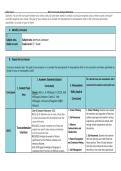
Scenario: You are the curriculum director at a school, and you have been asked to conduct a curriculum analysis using a whole-course curriculum
currently taught at your school. The goal of your analysis is to consider the development of nonacademic skills in the curriculum and where,
specifically, to include a focus on them.
A. Identify Curriculum
1.
Subject Area, Subject Area: American Literature
Grade or Level Grade Level: 11th Grade
B. Unpack the Curriculum
Curriculum Analysis Goal: The goal of your analysis is to consider the development of nonacademic skills in the curriculum and where specifically to
include a focus on nonacademic skills.
2. Academic Standards (Explicit 3a. Describe how each nonacademic skill is
Curriculum) 3. Nonacademic connected to the academic content of the unit.
1. Content/Topic
Curriculum Source: Allen, J., & McDougal, H. (2012). Holt Skills (Implicit
Area
McDougal Literature: Grade 11. Holt Curriculum)
McDougal, a division of Houghton Mifflin
Harcourt.
Date of Standard Publication: 2012 1. Critical Thinking 1. Critical Thinking: Students will evaluate
RI. 11-12. 2: Determine two or more central ideas the intentions and arguments of historical
of a text and analyze their development over the 2. Self-Awareness authors based upon each author’s writing,
course of the text. experiences, and historical context, both
RI.11-12.3: Analyze a complex set of ideas and 3. Effective through written assignments and class
Transcendentalist explain how specific ideas interact and develop Communication and discussions.
Unit 1 Literature Collaboration
over the course of a text.
RI.11-12.9: Analyze documents of literary 2. Self-Awareness: Students will examine
significance for their themes, purposes, and 4. Pattern Recognition their own opinions and what influences
rhetorical features. and Connection Making those opinions. They will read literature
L.11-12.3: Apply knowledge of language to from the unit and describe how it makes
understand how it functions in different contexts, 5. Self-Management them feel, a time when they experienced
, GGN1 Task 1 WGU Curriculum Analysis Worksheet
make effective style choices, and follow style something similar to what the authors
manuals. 6. Empathy experienced, or provide an alternative
L.11-12.4b: Identify and correctly use patterns of point of view.
word changes that indicate different meanings or
parts of speech. 3. Effective Communication and
L.11-12.5a: Interpret figures of speech in context Collaboration: Students will gain
and analyze their role in the text. communication skills by completing
L.11-12.6: Acquire and use general academic assignments with peers and discussing
words and phrases accurately. them in partners, small groups, and class
W.11-12.2b: Develop the topic by selecting the discussions. They will present the
most significant and relevant facts, extended information they find and answer
definitions, concrete details, quotations, or other questions from classmates. Students learn
information and examples. to listen, support ideas, and ask respectful
W.11-12.2d: Use precise language to manage the questions.
complexity of a topic.
W.11-12.9: Draw evidence from literary or 4. Pattern Recognition and Connection
informational texts to support reflection. Making: Students will recognize patterns
of vocabulary, theme, and figurative
language across each author’s writing and
make connections between the author’s
experiences and their own, as well as
between historical events and current
events.
5. Self-Management: Students are in
charge of turning their assignments in on
time, contributing regularly in class, and
cooperating with their peers.
6. Empathy: Students will gain awareness
of the factual experiences of other human
beings who lived and step into their lives
through their personal narratives. Each
student’s social-emotional awareness will
grow as they relate to characters and
authors.
Scenario: You are the curriculum director at a school, and you have been asked to conduct a curriculum analysis using a whole-course curriculum
currently taught at your school. The goal of your analysis is to consider the development of nonacademic skills in the curriculum and where,
specifically, to include a focus on them.
A. Identify Curriculum
1.
Subject Area, Subject Area: American Literature
Grade or Level Grade Level: 11th Grade
B. Unpack the Curriculum
Curriculum Analysis Goal: The goal of your analysis is to consider the development of nonacademic skills in the curriculum and where specifically to
include a focus on nonacademic skills.
2. Academic Standards (Explicit 3a. Describe how each nonacademic skill is
Curriculum) 3. Nonacademic connected to the academic content of the unit.
1. Content/Topic
Curriculum Source: Allen, J., & McDougal, H. (2012). Holt Skills (Implicit
Area
McDougal Literature: Grade 11. Holt Curriculum)
McDougal, a division of Houghton Mifflin
Harcourt.
Date of Standard Publication: 2012 1. Critical Thinking 1. Critical Thinking: Students will evaluate
RI. 11-12. 2: Determine two or more central ideas the intentions and arguments of historical
of a text and analyze their development over the 2. Self-Awareness authors based upon each author’s writing,
course of the text. experiences, and historical context, both
RI.11-12.3: Analyze a complex set of ideas and 3. Effective through written assignments and class
Transcendentalist explain how specific ideas interact and develop Communication and discussions.
Unit 1 Literature Collaboration
over the course of a text.
RI.11-12.9: Analyze documents of literary 2. Self-Awareness: Students will examine
significance for their themes, purposes, and 4. Pattern Recognition their own opinions and what influences
rhetorical features. and Connection Making those opinions. They will read literature
L.11-12.3: Apply knowledge of language to from the unit and describe how it makes
understand how it functions in different contexts, 5. Self-Management them feel, a time when they experienced
, GGN1 Task 1 WGU Curriculum Analysis Worksheet
make effective style choices, and follow style something similar to what the authors
manuals. 6. Empathy experienced, or provide an alternative
L.11-12.4b: Identify and correctly use patterns of point of view.
word changes that indicate different meanings or
parts of speech. 3. Effective Communication and
L.11-12.5a: Interpret figures of speech in context Collaboration: Students will gain
and analyze their role in the text. communication skills by completing
L.11-12.6: Acquire and use general academic assignments with peers and discussing
words and phrases accurately. them in partners, small groups, and class
W.11-12.2b: Develop the topic by selecting the discussions. They will present the
most significant and relevant facts, extended information they find and answer
definitions, concrete details, quotations, or other questions from classmates. Students learn
information and examples. to listen, support ideas, and ask respectful
W.11-12.2d: Use precise language to manage the questions.
complexity of a topic.
W.11-12.9: Draw evidence from literary or 4. Pattern Recognition and Connection
informational texts to support reflection. Making: Students will recognize patterns
of vocabulary, theme, and figurative
language across each author’s writing and
make connections between the author’s
experiences and their own, as well as
between historical events and current
events.
5. Self-Management: Students are in
charge of turning their assignments in on
time, contributing regularly in class, and
cooperating with their peers.
6. Empathy: Students will gain awareness
of the factual experiences of other human
beings who lived and step into their lives
through their personal narratives. Each
student’s social-emotional awareness will
grow as they relate to characters and
authors.