

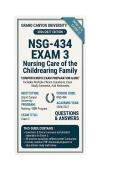
,NSG 434 Exam 3 Nursing Care of the Childrearing Family Questions
And Answers 2026/2027 Grand canyon university
Q1. Which laboratory finding is most consistent with iron-deficiency
anemia?
A) Elevated hemoglobin
B) Microcytic, hypochromic red blood cells
C) Increased mean corpuscular volume
D) Increased serum ferritin
Correct Answer: B) Microcytic, hypochromic red blood cells
Rationale: Iron deficiency impairs hemoglobin synthesis and typically
produces small, pale red blood cells with reduced hemoglobin content.
Q2. Which finding is most consistent with iron-deficiency anemia in
a child?
A) Fatigue and pallor
B) Severe hypertension
C) Generalized edema
D) Jaundice with dark urine
Correct Answer: A) Fatigue and pallor
Rationale: Reduced oxygen-carrying capacity can cause fatigue, pallor,
weakness, and decreased activity tolerance.
Q3. Which dietary teaching is appropriate for a child with iron-
deficiency anemia?
A) Avoid iron-containing foods.
B) Emphasize iron-rich foods and prescribed iron supplementation.
C) Eliminate vitamin C.
D) Restrict protein.
Correct Answer: B) Emphasize iron-rich foods and prescribed iron
supplementation.
Rationale: Iron-rich foods and supplementation when prescribed help
restore iron stores and support hemoglobin production.
Q4. Which instruction should the nurse provide when administering
oral ferrous sulfate to a child?
,A) Give it with a large amount of milk.
B) Give it with vitamin C-containing food or fluid when appropriate.
C) Stop the medication when stools become dark.
D) Expect the medication to immediately eliminate fatigue.
Correct Answer: B) Give it with vitamin C-containing food or fluid when
appropriate.
Rationale: Vitamin C improves iron absorption. Dark stools are a common
expected effect of oral iron therapy.
Q5. Which finding is characteristic of sickle cell disease?
A) Abnormal hemoglobin that promotes red blood cell sickling
B) Excess production of normal platelets
C) Complete absence of white blood cells
D) Increased clotting-factor production
Correct Answer: A) Abnormal hemoglobin that promotes red blood cell
sickling
Rationale: Sickle cell disease results from abnormal hemoglobin that can
cause red blood cells to deform, become rigid, and obstruct blood flow.
Q6. Which factor can precipitate a vaso-occlusive sickle cell crisis?
A) Adequate hydration
B) Hypoxemia or dehydration
C) Normal oxygenation
D) Regular rest
Correct Answer: B) Hypoxemia or dehydration
Rationale: Dehydration and reduced oxygen availability increase the
likelihood of red-cell sickling and vaso-occlusion.
Q7. Which finding is most concerning in a child experiencing a sickle
cell crisis?
A) New chest pain, fever, and respiratory distress
B) Mild chronic fatigue
C) Increased appetite
D) Stable oxygen saturation
Correct Answer: A) New chest pain, fever, and respiratory distress
, Rationale: These findings may indicate acute chest syndrome, a potentially
life-threatening complication of sickle cell disease.
Q8. Which intervention is appropriate during a vaso-occlusive crisis?
A) Encourage dehydration.
B) Provide prescribed analgesia and maintain appropriate hydration.
C) Restrict all fluids.
D) Encourage strenuous activity.
Correct Answer: B) Provide prescribed analgesia and maintain appropriate
hydration.
Rationale: Vaso-occlusion causes ischemic pain, and appropriate hydration
can reduce blood viscosity while analgesia addresses severe pain.
Q9. Which finding is characteristic of hemophilia?
A) Prolonged bleeding because of a clotting-factor deficiency
B) Excessive red blood cell production
C) Increased platelet production
D) Severe iron overload in every child
Correct Answer: A) Prolonged bleeding because of a clotting-factor deficiency
Rationale: Hemophilia is an inherited bleeding disorder caused by
deficiency of specific coagulation factors, leading to prolonged bleeding.
Q10. A child with hemophilia reports severe pain and swelling in the
knee without recent trauma. What should the nurse suspect?
A) Hemarthrosis
B) Cellulitis
C) Osteomyelitis
D) Fracture in every case
Correct Answer: A) Hemarthrosis
Rationale: Bleeding into a joint can cause sudden pain, swelling, warmth,
and limited motion and is a common complication of hemophilia.
Q11. Which intervention is appropriate for a child with hemophilia
who develops joint bleeding?
A) Protect the joint and administer prescribed factor replacement.
B) Encourage vigorous range-of-motion exercise.
And Answers 2026/2027 Grand canyon university
Q1. Which laboratory finding is most consistent with iron-deficiency
anemia?
A) Elevated hemoglobin
B) Microcytic, hypochromic red blood cells
C) Increased mean corpuscular volume
D) Increased serum ferritin
Correct Answer: B) Microcytic, hypochromic red blood cells
Rationale: Iron deficiency impairs hemoglobin synthesis and typically
produces small, pale red blood cells with reduced hemoglobin content.
Q2. Which finding is most consistent with iron-deficiency anemia in
a child?
A) Fatigue and pallor
B) Severe hypertension
C) Generalized edema
D) Jaundice with dark urine
Correct Answer: A) Fatigue and pallor
Rationale: Reduced oxygen-carrying capacity can cause fatigue, pallor,
weakness, and decreased activity tolerance.
Q3. Which dietary teaching is appropriate for a child with iron-
deficiency anemia?
A) Avoid iron-containing foods.
B) Emphasize iron-rich foods and prescribed iron supplementation.
C) Eliminate vitamin C.
D) Restrict protein.
Correct Answer: B) Emphasize iron-rich foods and prescribed iron
supplementation.
Rationale: Iron-rich foods and supplementation when prescribed help
restore iron stores and support hemoglobin production.
Q4. Which instruction should the nurse provide when administering
oral ferrous sulfate to a child?
,A) Give it with a large amount of milk.
B) Give it with vitamin C-containing food or fluid when appropriate.
C) Stop the medication when stools become dark.
D) Expect the medication to immediately eliminate fatigue.
Correct Answer: B) Give it with vitamin C-containing food or fluid when
appropriate.
Rationale: Vitamin C improves iron absorption. Dark stools are a common
expected effect of oral iron therapy.
Q5. Which finding is characteristic of sickle cell disease?
A) Abnormal hemoglobin that promotes red blood cell sickling
B) Excess production of normal platelets
C) Complete absence of white blood cells
D) Increased clotting-factor production
Correct Answer: A) Abnormal hemoglobin that promotes red blood cell
sickling
Rationale: Sickle cell disease results from abnormal hemoglobin that can
cause red blood cells to deform, become rigid, and obstruct blood flow.
Q6. Which factor can precipitate a vaso-occlusive sickle cell crisis?
A) Adequate hydration
B) Hypoxemia or dehydration
C) Normal oxygenation
D) Regular rest
Correct Answer: B) Hypoxemia or dehydration
Rationale: Dehydration and reduced oxygen availability increase the
likelihood of red-cell sickling and vaso-occlusion.
Q7. Which finding is most concerning in a child experiencing a sickle
cell crisis?
A) New chest pain, fever, and respiratory distress
B) Mild chronic fatigue
C) Increased appetite
D) Stable oxygen saturation
Correct Answer: A) New chest pain, fever, and respiratory distress
, Rationale: These findings may indicate acute chest syndrome, a potentially
life-threatening complication of sickle cell disease.
Q8. Which intervention is appropriate during a vaso-occlusive crisis?
A) Encourage dehydration.
B) Provide prescribed analgesia and maintain appropriate hydration.
C) Restrict all fluids.
D) Encourage strenuous activity.
Correct Answer: B) Provide prescribed analgesia and maintain appropriate
hydration.
Rationale: Vaso-occlusion causes ischemic pain, and appropriate hydration
can reduce blood viscosity while analgesia addresses severe pain.
Q9. Which finding is characteristic of hemophilia?
A) Prolonged bleeding because of a clotting-factor deficiency
B) Excessive red blood cell production
C) Increased platelet production
D) Severe iron overload in every child
Correct Answer: A) Prolonged bleeding because of a clotting-factor deficiency
Rationale: Hemophilia is an inherited bleeding disorder caused by
deficiency of specific coagulation factors, leading to prolonged bleeding.
Q10. A child with hemophilia reports severe pain and swelling in the
knee without recent trauma. What should the nurse suspect?
A) Hemarthrosis
B) Cellulitis
C) Osteomyelitis
D) Fracture in every case
Correct Answer: A) Hemarthrosis
Rationale: Bleeding into a joint can cause sudden pain, swelling, warmth,
and limited motion and is a common complication of hemophilia.
Q11. Which intervention is appropriate for a child with hemophilia
who develops joint bleeding?
A) Protect the joint and administer prescribed factor replacement.
B) Encourage vigorous range-of-motion exercise.


