GI Medications Drug Cards
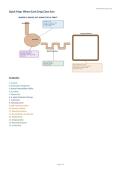
Quick Map: Where Each Drug Class Acts
Contents
1. Antacids
2. H2 Receptor Antagonists
3. Proton Pump Inhibitors (PPIs)
4. Sucralfate
5. Misoprostol
6. H. pylori Eradication Therapy
7. Antiemetics
8. Metoclopramide
9. Bulk-Forming Laxatives
10. Osmotic Laxatives
11. Stimulant Laxatives
12. Stool Softeners & Lubricants
13. Antidiarrheals
14. Antispasmodics
15. Pancreatic Enzymes
16. Antiflatulent
Page 1 of 9
, GI Medications Drug Cards
Antacids
Aluminum hydroxide, Magnesium hydroxide, Calcium carbonate
How it works
Weak bases that directly neutralize existing stomach acid on contact — fast, short-lived relief (not a long-term acid control strategy like
PPIs/H2 blockers).
Indications
• Occasional heartburn/indigestion
• Adjunct symptom relief with PUD/GERD
Side Effects / Adverse Reactions
• Aluminum: CONSTIPATION
• Magnesium: DIARRHEA
• Calcium carbonate: constipation + risk of acid rebound/milk-alkali syndrome with overuse
• Many products combine Al+Mg to balance/cancel out the bowel effects
Nursing Considerations & Teaching
• Give 1-2 hrs apart from other oral medications — antacids raise gastric pH and bind other drugs, reducing their absorption
• Shake liquid suspensions well before giving
• Renal patients: avoid magnesium-containing antacids (impaired excretion → risk of hypermagnesemia)
💡 MEMORY TRICK: "Aluminum = A-plug (constipation); Magnesium = Moves you (diarrhea)" — remember it as Al slows/stops
you, Mg gets things Moving.
H2 Receptor Antagonists
Famotidine, Cimetidine, Nizatidine (suffix: –TIDINE)
How it works
Block histamine (H2) receptors on stomach parietal cells, reducing acid production — slower onset than antacids but longer-lasting.
Indications
• GERD, PUD (peptic ulcer disease)
• Prevention of stress ulcers
• Heartburn
Side Effects / Adverse Reactions
• Generally well tolerated
• Cimetidine specifically: many drug interactions (inhibits liver enzymes), can cause confusion in older adults, gynecomastia with long-term
use
Nursing Considerations & Teaching
• Can be given with or without food
• Less potent than PPIs — often used for milder symptoms or PRN
• Assess for confusion/mental status changes in older adults, especially with cimetidine
💡 MEMORY TRICK: "-TIDINE = TIDY up the acid" — all H2 blocker generic names end in -tidine (famoTIDINE, cimeTIDINE,
niziTIDINE).
Page 2 of 9
Quick Map: Where Each Drug Class Acts
Contents
1. Antacids
2. H2 Receptor Antagonists
3. Proton Pump Inhibitors (PPIs)
4. Sucralfate
5. Misoprostol
6. H. pylori Eradication Therapy
7. Antiemetics
8. Metoclopramide
9. Bulk-Forming Laxatives
10. Osmotic Laxatives
11. Stimulant Laxatives
12. Stool Softeners & Lubricants
13. Antidiarrheals
14. Antispasmodics
15. Pancreatic Enzymes
16. Antiflatulent
Page 1 of 9
, GI Medications Drug Cards
Antacids
Aluminum hydroxide, Magnesium hydroxide, Calcium carbonate
How it works
Weak bases that directly neutralize existing stomach acid on contact — fast, short-lived relief (not a long-term acid control strategy like
PPIs/H2 blockers).
Indications
• Occasional heartburn/indigestion
• Adjunct symptom relief with PUD/GERD
Side Effects / Adverse Reactions
• Aluminum: CONSTIPATION
• Magnesium: DIARRHEA
• Calcium carbonate: constipation + risk of acid rebound/milk-alkali syndrome with overuse
• Many products combine Al+Mg to balance/cancel out the bowel effects
Nursing Considerations & Teaching
• Give 1-2 hrs apart from other oral medications — antacids raise gastric pH and bind other drugs, reducing their absorption
• Shake liquid suspensions well before giving
• Renal patients: avoid magnesium-containing antacids (impaired excretion → risk of hypermagnesemia)
💡 MEMORY TRICK: "Aluminum = A-plug (constipation); Magnesium = Moves you (diarrhea)" — remember it as Al slows/stops
you, Mg gets things Moving.
H2 Receptor Antagonists
Famotidine, Cimetidine, Nizatidine (suffix: –TIDINE)
How it works
Block histamine (H2) receptors on stomach parietal cells, reducing acid production — slower onset than antacids but longer-lasting.
Indications
• GERD, PUD (peptic ulcer disease)
• Prevention of stress ulcers
• Heartburn
Side Effects / Adverse Reactions
• Generally well tolerated
• Cimetidine specifically: many drug interactions (inhibits liver enzymes), can cause confusion in older adults, gynecomastia with long-term
use
Nursing Considerations & Teaching
• Can be given with or without food
• Less potent than PPIs — often used for milder symptoms or PRN
• Assess for confusion/mental status changes in older adults, especially with cimetidine
💡 MEMORY TRICK: "-TIDINE = TIDY up the acid" — all H2 blocker generic names end in -tidine (famoTIDINE, cimeTIDINE,
niziTIDINE).
Page 2 of 9