, PLEASE USE THIS DOCUMENT AS A GUIDE ONLY
QUESTION 1
1. Mokgadi and Matome have been in a relationship since university. After graduating, they
decided to establish a life together. During their relationship, Matome impregnated Mokgadi.
Mokgadi’s family subsequently informed Matome’s family that damages should be paid in
accordance with the applicable customary practices in respect of the pregnancy.
The Validity of a Customary Marriage: An Analysis of the Requirements under the Recognition
of Customary Marriages Act 120 of 1998
1. Introduction
The question of whether a valid customary marriage was concluded between Mokgadi and Matome
necessitates a careful examination of the facts against the prescripts of the Recognition of Customary
Marriages Act 120 of 1998 (RCMA) and the principles of living customary law. The scenario
presents a sequence of events involving the payment of damages for an unborn child, followed by
lobolo negotiations conducted by family members without the groom's direct mandate. This analysis
will critically assess whether these actions satisfy the statutory and customary requirements for a
valid marriage, with reference to relevant South African case law. The central inquiry revolves
around the pivotal requirement that a customary marriage must be negotiated and entered into or
celebrated in accordance with customary law.
2. Statutory Requirements for a Valid Customary Marriage
Section 3(1) of the RCMA sets out the prerequisites for a valid customary marriage entered into after
the Act's commencement.¹ These are, firstly, that the prospective spouses must both be above the age
of 18 years and consent to marry each other under customary law. Secondly, the marriage must be
negotiated and entered into or celebrated in accordance with customary law. The first set of
requirements, concerning age and consent, is not contentious in this scenario. The 18-year age
requirement appears to be met, and there is no indication from the facts that Mokgadi and Matome
did not mutually consent to the marriage. The central issue, therefore, is the application of section
3(1)(b), which requires the marriage to be "negotiated and entered into or celebrated in accordance
with customary law."
The Act does not prescribe a fixed list of rituals, as this would undermine the living, dynamic nature
of customary law.² Instead, it leaves it to the customs and usages of the relevant community to
determine what constitutes a valid marriage. As the case of Mabuza v Mbatha illustrates, customary
law is not a rigid set of rules but a flexible system that evolves with the community's social
practices.³ The requirement in section 3(1)(b) is the "life-blood" of a customary marriage, and
non-compliance may lead to its invalidity. The courts have consistently held that the test for
compliance is not a rigid checklist but an overall assessment of the families' practices, reflecting the
flexible nature of living customary law.
¹ Recognition of Customary Marriages Act 120 of 1998, s 3(1).
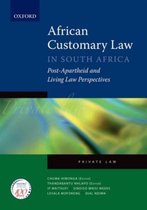
² Chuma Himonga and Thandabantu Nhlapo (eds), African Customary Law in South Africa: Post-Apartheid and Living Law Perspectives
(Oxford University Press 2014) 93.
³ Mabuza v Mbatha (1939/01) [2002] ZAWCHC 11; 2003 (4) SA 218 (C); 2003 (7) BCLR 743 (C) (4 March 2003) para 25.
QUESTION 1
1. Mokgadi and Matome have been in a relationship since university. After graduating, they
decided to establish a life together. During their relationship, Matome impregnated Mokgadi.
Mokgadi’s family subsequently informed Matome’s family that damages should be paid in
accordance with the applicable customary practices in respect of the pregnancy.
The Validity of a Customary Marriage: An Analysis of the Requirements under the Recognition
of Customary Marriages Act 120 of 1998
1. Introduction
The question of whether a valid customary marriage was concluded between Mokgadi and Matome
necessitates a careful examination of the facts against the prescripts of the Recognition of Customary
Marriages Act 120 of 1998 (RCMA) and the principles of living customary law. The scenario
presents a sequence of events involving the payment of damages for an unborn child, followed by
lobolo negotiations conducted by family members without the groom's direct mandate. This analysis
will critically assess whether these actions satisfy the statutory and customary requirements for a
valid marriage, with reference to relevant South African case law. The central inquiry revolves
around the pivotal requirement that a customary marriage must be negotiated and entered into or
celebrated in accordance with customary law.
2. Statutory Requirements for a Valid Customary Marriage
Section 3(1) of the RCMA sets out the prerequisites for a valid customary marriage entered into after
the Act's commencement.¹ These are, firstly, that the prospective spouses must both be above the age
of 18 years and consent to marry each other under customary law. Secondly, the marriage must be
negotiated and entered into or celebrated in accordance with customary law. The first set of
requirements, concerning age and consent, is not contentious in this scenario. The 18-year age
requirement appears to be met, and there is no indication from the facts that Mokgadi and Matome
did not mutually consent to the marriage. The central issue, therefore, is the application of section
3(1)(b), which requires the marriage to be "negotiated and entered into or celebrated in accordance
with customary law."
The Act does not prescribe a fixed list of rituals, as this would undermine the living, dynamic nature
of customary law.² Instead, it leaves it to the customs and usages of the relevant community to
determine what constitutes a valid marriage. As the case of Mabuza v Mbatha illustrates, customary
law is not a rigid set of rules but a flexible system that evolves with the community's social
practices.³ The requirement in section 3(1)(b) is the "life-blood" of a customary marriage, and
non-compliance may lead to its invalidity. The courts have consistently held that the test for
compliance is not a rigid checklist but an overall assessment of the families' practices, reflecting the
flexible nature of living customary law.
¹ Recognition of Customary Marriages Act 120 of 1998, s 3(1).
² Chuma Himonga and Thandabantu Nhlapo (eds), African Customary Law in South Africa: Post-Apartheid and Living Law Perspectives
(Oxford University Press 2014) 93.
³ Mabuza v Mbatha (1939/01) [2002] ZAWCHC 11; 2003 (4) SA 218 (C); 2003 (7) BCLR 743 (C) (4 March 2003) para 25.