

prazosin.
Eenoldopam, nitroprusside, and propranolol are the drugs in the list that have been
used in hypertensive emergencies. Fenoldopam and nitroprusside are used by
infusion only, but nitroprusside releases nitric oxide, which acts on intracellular
guanylyl cyclase.
Fenoldopam used in severe hypertensive emergencies, is short-acting, acts on a G-
protein-coupled receptor, and must be given by intravenous infusion
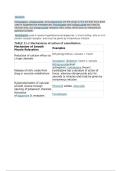
TABLE 11-2 Mechanisms of action of vasodilators.
Mechanism of Smooth
Muscle Relaxation Examples
Reduction of calcium influx via Dihydropyridines: vessels > heart
L-type channels
Verapamil, diltiazem: heart = vessels
Nitroprusside(short
acting/min), hydralazine (hours)
Release of nitric oxide from hydralazine has a duration of action of
drug or vascular endothelium hours, whereas nitroprusside acts for
seconds to minutes and must be given by
intravenous infusion
Hyperpolarization of vascular
smooth muscle through Minoxidil sulfate, diazoxide
opening of potassium channels
Activation
Fenoldopam
of dopamine D, receptors
, Class IA Anti-Arrhythmic Agents
similar Drugs The class A anti-arrhythmic drugs include quinidine, procainamide, and disopyramide
Mechanism of The class TA anti-arrhythmic agents act by binding to activated sodium channels and blocking the
Action flow of sodium ions into the sinoatrial node cells and cardiac myocytes. At the sinoatrial node. this
causes an increase in the threshold for action potential and prolongation of phase 4 depolarization. In
cardiac myocytes, by blocking activated sodium channels, phase 0 depolarization of the cardiac action
potential is prolonged, thereby slowing the rate of conduction of the action potential and thus the rate
of cardiac muscle contraction. Phase 3 repolarization is also delayed by a small interaction ofthe class
IA anti-arrhythmic agent with potassium channels. This interaction results in a longer refractory period
for the cardiac myocyte and thus the cardiac myocyte is unable to fire as frequently. (Prolonged phase 3
repolarization is manifested on the ECG as a prolonged QT interval.)
Clinical Uses Used to treat and prevent the recurrence of a varicty of arrhythmias, including atrial fibrillation, Wolff-
Parkinson-White syndrome, and ventricular tachycardia.
Side Effects All class TA anti-arthythmic agenis may cause cardiac arrhythmi: s (including torsades de pointes due
to QT prolongation).
Quinidine: GI upset; cinchonism (vertigo, headache, tinnitus, psychosis).
Procainamide: Drug-induced lupus; psychosis.
Disopyramide: Urinary retention; double vision: constiparion.
Other All class 1 anti-arthythmic agents arc use-dependent, meaning that they tend to be more active at ion
channels that are depolarizing more frequently.
A 73-ycar-old woman is brought to the emergency department complaining of chest pain.
While she is waiting to be seen, she suddenly collapses. You are unable to obtain a pulse and
an electrocardiogram reveals that she n ventricular fibrillation. After a series of electrical
shocks and the administration of epinephrine, you restore her heart rhythm to ventricular
tachycardia. In addition to evaluating this patient for ischemic causes of her arrhythmia, you
decide to administer an anti-arrhythmic agent that is often used in the treatment of ventricular
fibrillation and ventricular tachycardia and thet is characterized by its ability to decrease the
duration of the cardiac action potential.
,Class IB Anti-Arrhythmic Agents
Similar Drugs The class IB anti-arrhythmic drugs include lidocaine and mexiletine.
Mechanism of The class IB anti-arrhythmic agents act by binding to both activated and inactivated
Action sodium channels and blocking the flow of sodium ions into the cardiac myocyte. By
blocking inactivated sodium channels and therefore decreasing the ability of those channels
to become activated, phase 3 repolarization of the cardiac action potential as well as
the entire duration of the action potential is actually shortened, and the ability for the
cardiac myocyte to be stimulated to contract is diminished.
Clinical Uses The class IB anti-arthythmic agents are used to treat a variety of ventricular arrhythmias
(e.g., ventricular fibrillation or ventricular tachycardia).
Side Effects All class IB anti-arrhythmic agents may cause cardiac arrhythmias. Other side effects
include hypotension, tremor, fatigue, and nausca.
Prolonged administration of higt doses of lidocaine can lead to neurotoxicity and altered
mental status.
Other Lidocaine is also used as a local anesthetic (see Local Anesthetic Agents card in Chapter 4).
Phenytoin is also technically a Class IB anti-arrhythmic: however, it is used to treat epilepsy
(see Phenytoin card in Chapter 4.
All class I anti-arrhythmic agents are use-dependent, meaning that they tend (o be more
active at ion channels that are depolarizing more frequently.
A 42-year-old man presents to the emergency room complaining of palpitations. On physical
examination, he is cool to touch, diaphoretic, and mildly hypotensive with a blood pressure of
90/50 mm Hg. His electrocardiogram demonstrates an irregular supraventricular tachycardia
at a rate of 144 beats/min, likely consistent with atrial fibrillation. This is his third presenta-
tion to the hospital with supraventricular tachycardia in the 2 months. After you stabilize the
patient and control his heart rate, you call for a cardiology consult to assess whether the patient
might be a candidate for treatment with an anti-arrhythmic medication. When the cardiologist
arrives, he suggests placing the patient on an agent that acts by blocking sodium channels in
the cardiac myocyte, but he states that this madication should only be used in patients with
structurally normal hearts.
, Class IC Anti-Arrhythmic Agents
Similar Drugs The class IC anti-arrhythmic drugs include flecainide, propafenone, and moricizine.
Mechanism of The class IC anti-arrhythmic agents act by binding to sodium channels and blocking the
Action flow of sodium ions into the cardiac myocyte. By blocking sodium channels, phase 0
depolarization of the cardiac action potential is prolonged. thereby slowing the rate of
conduction of the action potential and thus the rate of cardiac muscle contraction. This class
of drugs has no cffect on the duration of the action potential.
Clinical Uses Used to treat supraventricular arrhythmias.
Side Effects Exacerbation or induction of life-threatening arrhythmias; avoid in patients with
structurally abnormal hearts (e.g., depressed left ventricular ejection fraction) or ischemic
heart disease.
Other All class T anti-arrhythmic agents are use-dependent, meaning that they tend to be more
active at ion channels that are depolarizing more frequently.
An 82-year-old man with a known history of both atrial and ventricular arrhythmias presents to
your cardiology clinic for a follow-up visit. He denies any palpitations or chest pain currently
and his electrocardiogram shows no acute changes, although his QT segment is slightly
prolonged. His medication regimen includes a drug that acts by blocking potassium, sodium,
and calcium channels in the cardiac myocyte. You explain to him that he appears to be doing
well and that his cardiac arrhythmias appear ‘o be controlled, but you caution him that his
medication could predispose him to developing pulmonary fibrosis, liver toxicity, or thyroid
dysfunction.
Eenoldopam, nitroprusside, and propranolol are the drugs in the list that have been
used in hypertensive emergencies. Fenoldopam and nitroprusside are used by
infusion only, but nitroprusside releases nitric oxide, which acts on intracellular
guanylyl cyclase.
Fenoldopam used in severe hypertensive emergencies, is short-acting, acts on a G-
protein-coupled receptor, and must be given by intravenous infusion
TABLE 11-2 Mechanisms of action of vasodilators.
Mechanism of Smooth
Muscle Relaxation Examples
Reduction of calcium influx via Dihydropyridines: vessels > heart
L-type channels
Verapamil, diltiazem: heart = vessels
Nitroprusside(short
acting/min), hydralazine (hours)
Release of nitric oxide from hydralazine has a duration of action of
drug or vascular endothelium hours, whereas nitroprusside acts for
seconds to minutes and must be given by
intravenous infusion
Hyperpolarization of vascular
smooth muscle through Minoxidil sulfate, diazoxide
opening of potassium channels
Activation
Fenoldopam
of dopamine D, receptors
, Class IA Anti-Arrhythmic Agents
similar Drugs The class A anti-arrhythmic drugs include quinidine, procainamide, and disopyramide
Mechanism of The class TA anti-arrhythmic agents act by binding to activated sodium channels and blocking the
Action flow of sodium ions into the sinoatrial node cells and cardiac myocytes. At the sinoatrial node. this
causes an increase in the threshold for action potential and prolongation of phase 4 depolarization. In
cardiac myocytes, by blocking activated sodium channels, phase 0 depolarization of the cardiac action
potential is prolonged, thereby slowing the rate of conduction of the action potential and thus the rate
of cardiac muscle contraction. Phase 3 repolarization is also delayed by a small interaction ofthe class
IA anti-arrhythmic agent with potassium channels. This interaction results in a longer refractory period
for the cardiac myocyte and thus the cardiac myocyte is unable to fire as frequently. (Prolonged phase 3
repolarization is manifested on the ECG as a prolonged QT interval.)
Clinical Uses Used to treat and prevent the recurrence of a varicty of arrhythmias, including atrial fibrillation, Wolff-
Parkinson-White syndrome, and ventricular tachycardia.
Side Effects All class TA anti-arthythmic agenis may cause cardiac arrhythmi: s (including torsades de pointes due
to QT prolongation).
Quinidine: GI upset; cinchonism (vertigo, headache, tinnitus, psychosis).
Procainamide: Drug-induced lupus; psychosis.
Disopyramide: Urinary retention; double vision: constiparion.
Other All class 1 anti-arthythmic agents arc use-dependent, meaning that they tend to be more active at ion
channels that are depolarizing more frequently.
A 73-ycar-old woman is brought to the emergency department complaining of chest pain.
While she is waiting to be seen, she suddenly collapses. You are unable to obtain a pulse and
an electrocardiogram reveals that she n ventricular fibrillation. After a series of electrical
shocks and the administration of epinephrine, you restore her heart rhythm to ventricular
tachycardia. In addition to evaluating this patient for ischemic causes of her arrhythmia, you
decide to administer an anti-arrhythmic agent that is often used in the treatment of ventricular
fibrillation and ventricular tachycardia and thet is characterized by its ability to decrease the
duration of the cardiac action potential.
,Class IB Anti-Arrhythmic Agents
Similar Drugs The class IB anti-arrhythmic drugs include lidocaine and mexiletine.
Mechanism of The class IB anti-arrhythmic agents act by binding to both activated and inactivated
Action sodium channels and blocking the flow of sodium ions into the cardiac myocyte. By
blocking inactivated sodium channels and therefore decreasing the ability of those channels
to become activated, phase 3 repolarization of the cardiac action potential as well as
the entire duration of the action potential is actually shortened, and the ability for the
cardiac myocyte to be stimulated to contract is diminished.
Clinical Uses The class IB anti-arthythmic agents are used to treat a variety of ventricular arrhythmias
(e.g., ventricular fibrillation or ventricular tachycardia).
Side Effects All class IB anti-arrhythmic agents may cause cardiac arrhythmias. Other side effects
include hypotension, tremor, fatigue, and nausca.
Prolonged administration of higt doses of lidocaine can lead to neurotoxicity and altered
mental status.
Other Lidocaine is also used as a local anesthetic (see Local Anesthetic Agents card in Chapter 4).
Phenytoin is also technically a Class IB anti-arrhythmic: however, it is used to treat epilepsy
(see Phenytoin card in Chapter 4.
All class I anti-arrhythmic agents are use-dependent, meaning that they tend (o be more
active at ion channels that are depolarizing more frequently.
A 42-year-old man presents to the emergency room complaining of palpitations. On physical
examination, he is cool to touch, diaphoretic, and mildly hypotensive with a blood pressure of
90/50 mm Hg. His electrocardiogram demonstrates an irregular supraventricular tachycardia
at a rate of 144 beats/min, likely consistent with atrial fibrillation. This is his third presenta-
tion to the hospital with supraventricular tachycardia in the 2 months. After you stabilize the
patient and control his heart rate, you call for a cardiology consult to assess whether the patient
might be a candidate for treatment with an anti-arrhythmic medication. When the cardiologist
arrives, he suggests placing the patient on an agent that acts by blocking sodium channels in
the cardiac myocyte, but he states that this madication should only be used in patients with
structurally normal hearts.
, Class IC Anti-Arrhythmic Agents
Similar Drugs The class IC anti-arrhythmic drugs include flecainide, propafenone, and moricizine.
Mechanism of The class IC anti-arrhythmic agents act by binding to sodium channels and blocking the
Action flow of sodium ions into the cardiac myocyte. By blocking sodium channels, phase 0
depolarization of the cardiac action potential is prolonged. thereby slowing the rate of
conduction of the action potential and thus the rate of cardiac muscle contraction. This class
of drugs has no cffect on the duration of the action potential.
Clinical Uses Used to treat supraventricular arrhythmias.
Side Effects Exacerbation or induction of life-threatening arrhythmias; avoid in patients with
structurally abnormal hearts (e.g., depressed left ventricular ejection fraction) or ischemic
heart disease.
Other All class T anti-arrhythmic agents are use-dependent, meaning that they tend to be more
active at ion channels that are depolarizing more frequently.
An 82-year-old man with a known history of both atrial and ventricular arrhythmias presents to
your cardiology clinic for a follow-up visit. He denies any palpitations or chest pain currently
and his electrocardiogram shows no acute changes, although his QT segment is slightly
prolonged. His medication regimen includes a drug that acts by blocking potassium, sodium,
and calcium channels in the cardiac myocyte. You explain to him that he appears to be doing
well and that his cardiac arrhythmias appear ‘o be controlled, but you caution him that his
medication could predispose him to developing pulmonary fibrosis, liver toxicity, or thyroid
dysfunction.


