
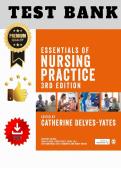
, TABLE OF CONTENTS
Part A: Learning to Be a Nurse Chapter 19: Clinical Decision-Making
Chapter 20: Safeguarding
Chapter 1: What Is Nursing and What Is a Chapter 21: Promoting Health
Nurse?
Chapter 2: Being a Nursing Student Part D: Skills for Nursing Care
Chapter 3: Reflection and Evidence-Based
Practice Chapter 22: Infection Prevention and
Chapter 4: Academic Writing and Control (IPC)
Assessment Chapter 23: Aseptic Technique and
Specimen Collection
Part B: Professional Practice Chapter 24: Clinical Measurement
Chapter 25: Pain Management
Chapter 5: Ethics Chapter 26: Skin Integrity
Chapter 6: Law Chapter 27: Safe Movement of People
Chapter 7: Accountability and Chapter 28: Emergency Care
Professionalism Chapter 29: Medicines Administration
Chapter 8: Resilience Chapter 30: Assisting People with their
Chapter 9: Nursing Students as Agents of Nutritional Needs
Change Chapter 31: Assisting People with their
Elimination Needs
Part C: Fundamentals of Nursing Care Chapter 32: Assisting People with their
Hygiene Needs
Chapter 10: Delivering Effective Care Chapter 33: Care after Death
Chapter 11: Introduction to Nursing Theory
Chapter 12: Value-Based, Person- or Part E: Context of Nursing Care
Family-Centred Care
Chapter 13: Patient, Service User, Family Chapter 34: Introduction to the
and Carer Perspectives Organisation and Settings of Care
Chapter 14: Assessment, Planning, Chapter 35: Introduction to
Implementation and Evaluation (APIE): The Interprofessional Working
Process of Nursing Chapter 36: Introduction to the
Chapter 15: Core Communication Skills Psychological Context of Nursing
Chapter 16: Communication and Chapter 37: Introduction to the
Interpersonal Skills in Challenging Sociological Context of Nursing
Circumstances Chapter 38: Introduction to Public Health
Chapter 17: Ensuring Quality and Effective Chapter 39: Introduction to Health Policy
Management of Risk and the Political Context of Nursing
Chapter 18: Record-Keeping and Chapter 40: Introduction to the Global
Documentation Context of Nursing
,Part A: Learning to Be a Nurse
Chapter 1: What Is Nursing and What Is a Nurse?
1. Which influential definition describes the unique function of the nurse as assisting individuals, sick
or well, in the performance of activities contributing to health or its recovery that they would perform
unaided if they had the requisite strength, will, or knowledge?
A. Virginia Henderson's definition of basic nursing care
B. Florence Nightingale's environmental adaptation model
C. Dorothea Orem's universal self-care deficit framework
D. Callista Roy's biopsychosocial adaptation theory
Answer: A
Rationale: Virginia Henderson articulated this foundational definition in 1960 to emphasize the nurse's role in
promoting patient independence and addressing fundamental human needs. Her framework underscores that
nursing extends beyond treating pathology to supporting individuals in achieving self-reliance during illness and
wellness. This patient-centred perspective remains a cornerstone of modern holistic nursing practice.
Keywords: Virginia Henderson, Definition of Nursing, Holistic Care
2. What major structural reform was introduced by Project 2000 regarding the education and
professionalization of nursing in the United Kingdom?
A. Restricting nursing practice exclusively to acute inpatient hospital wards
B. Transitioning nursing training from hospital-based apprenticeship into higher education diploma and
degree programmes
C. Eliminating the requirement for pre-registration clinical practice hours
D. Mandating that nursing students function as fully rostered healthcare assistants
Answer: B
Rationale: Project 2000 represented a pivotal educational reform in the late 1980s that shifted nurse preparation
from a traditional hospital apprenticeship system into academic higher education institutions. This transition
granted student nurses supernumerary status to prioritize learning over workforce staffing demands. It
,established a rigorous theoretical foundation for modern evidence-based and critical nursing practice.
Keywords: Project 2000, Nursing History, Higher Education
3. A staff nurse notices that an older adult patient awaiting emergency surgery appears withdrawn and
is trembling slightly. The nurse sits at eye level, actively listens to the patient's fears about
anaesthesia, and provides calm reassurance. Which core value of the 6Cs framework is demonstrated
in this interaction?
A. Commitment to organizational efficiency
B. Competence in technical diagnostic monitoring
C. Compassion through intelligent empathy and relational care
D. Courage in challenging institutional hierarchy
Answer: C
Rationale: Compassion in the 6Cs framework is defined as intelligent care based on empathy, respect, and
dignity that responds directly to a patient's emotional and psychological vulnerabilities. By recognizing non-verbal
cues of distress and dedicating time to alleviate acute surgical anxiety, the nurse establishes therapeutic rapport.
This empathetic engagement directly enhances the patient's emotional safety and surgical preparedness.
Keywords: 6Cs, Compassion, Therapeutic Communication
4. Which set represents the four distinct fields of pre-registration nursing recognized for initial
professional registration by the Nursing and Midwifery Council (NMC)?
A. Critical care, geriatric, paediatric, and perioperative nursing
B. Community, neonatal, surgical, and psychiatric nursing
C. General practice, oncology, public health, and palliative nursing
D. Adult, child, mental health, and learning disability nursing
Answer: D
Rationale: The Nursing and Midwifery Council (NMC) regulates nursing across four distinct fields: adult, child,
mental health, and learning disability nursing. Each field focuses on specialized population needs while sharing
overarching core nursing proficiencies and professional standards. This structural division ensures that newly
registered practitioners possess targeted clinical expertise alongside generic competencies.
Keywords: NMC Registration, Nursing Fields, Professional Regulation
5. An adult nurse conducts an admission assessment for a 74-year-old patient presenting with a
,chronic obstructive pulmonary disease exacerbation, diabetes, and recent social isolation following
bereavement. How does the nurse apply a holistic assessment model in this scenario?
A. Evaluating physical respiratory status alongside mental wellbeing, nutritional needs, and social support
systems
B. Focusing solely on spirometry readings and arterial blood gas values to guide medical prescribing
C. Delegating all psychological and social screening to allied health professionals without initial nursing
inquiry
D. Prioritizing physical medication administration while documenting social history as non-essential data
Answer: A
Rationale: Holistic nursing assessment involves evaluating the complete person across biological,
psychological, social, cultural, and spiritual domains rather than viewing the patient through a single disease
lens. Integrating physical symptom management with psychosocial and emotional factors allows the nurse to
formulate an individualized, comprehensive care plan. This holistic approach promotes recovery and mitigates
risks associated with multi-morbidity and loneliness.
Keywords: Adult Nursing, Holistic Assessment, Multi-morbidity
6. A paediatric nurse is caring for a 3-year-old child admitted with acute bronchiolitis. In accordance
with family-centred care principles, which nursing intervention is most appropriate?
A. Restricting parental presence to set visiting hours to reduce clinical infection transmission
B. Partnering with parents by incorporating their daily care routines and preferences into the child's care
plan
C. Performing all hygiene and feeding procedures independently to relieve parental stress entirely
D. Limiting clinical explanations to parents to prevent heightened emotional distress regarding the child's
prognosis
Answer: B
Rationale: Family-centred care in child nursing recognizes parents and guardians as essential partners who
possess unique knowledge regarding their child's needs and emotional security. Involving families in care
planning and daily routines minimizes paediatric hospital trauma and supports child development. This
collaborative philosophy respects parental expertise and fosters shared decision-making throughout
hospitalization.
Keywords: Child Nursing, Family-Centred Care, Paediatric Practice
7. Under Platform 1 of the NMC Future Nurse standards ('Being an accountable professional'), what is a
fundamental expectation of a registered nurse?
, A. Delegating complex decision-making to senior managers without personal professional liability
B. Following institutional custom and practice regardless of updated evidence-based guidelines
C. Acting with personal integrity, adhering to the Code, and justifying professional decisions and actions
D. Operating exclusively within independent clinical silos without interprofessional communication
Answer: C
Rationale: Platform 1 of the NMC Future Nurse standards mandates that registered nurses demonstrate
professional accountability by adhering strictly to the Code and maintaining public trust. Nurses must be able to
articulate the rationale for their clinical judgments, acknowledge their scope of competence, and uphold ethical
integrity at all times. This standard establishes the nurse as an autonomous, self-regulating professional
responsible for delivering safe care.
Keywords: NMC Standards, Future Nurse, Professional Accountability
8. In the context of the 6Cs of nursing, which statement best characterizes the value of 'Courage'?
A. Demonstrating physical endurance during demanding clinical shifts and emergency situations
B. Accepting workplace policies without challenging established institutional routines
C. Mastering advanced clinical diagnostics and technical intervention procedures
D. Speaking up to challenge poor practice, advocate for vulnerable patients, and report safety concerns
Answer: D
Rationale: Courage enables nurses to do the right thing for the people they care for, speak up when safety or
dignity is compromised, and challenge poor practice or organizational silence. It requires personal strength to
embrace new ways of working and advocate effectively for patients when systemic barriers arise. Upholding
courage protects patient safety and drives continuous improvements in healthcare cultures.
Keywords: 6Cs, Courage, Patient Advocacy
9. A learning disability nurse prepares a care pathway for an adult with moderate intellectual
disabilities requiring an elective surgical procedure. Which action represents the implementation of a
reasonable adjustment under the Equality Act 2010?
A. Providing pre-operative information in an Easy Read format with visual symbols and arranging a
familiarization ward visit
B. Postponing the elective procedure indefinitely until the patient can independently read standard hospital
leaflets
C. Requiring family members to sign all legal consent documentation without assessing the patient's
individual capacity
D. Administering pre-medication sedation prior to explaining the planned clinical sequence to the patient
,Answer: A
Rationale: Reasonable adjustments under the Equality Act 2010 require healthcare providers to modify standard
procedures to eliminate barriers for individuals with learning disabilities. Providing Easy Read visual materials
and organizing a desensitization visit accommodates specific communication needs and reduces procedural
anxiety. These proactive adaptations uphold patient autonomy and ensure equitable access to high-quality
healthcare.
Keywords: Learning Disability Nursing, Reasonable Adjustments, Equality Act
10. A mental health nurse works with an individual experiencing distressing auditory hallucinations
associated with schizophrenia. Which intervention exemplifies the principles of the recovery model?
A. Focusing exclusively on total symptom eradication as the sole benchmark of therapeutic success
B. Collaborating with the service user to identify personal life goals, strengths, and self-management
coping strategies
C. Enforcing clinical decisions paternalistically to minimize the individual's exposure to daily decision-
making
D. Limiting community engagement until all psychiatric medication side effects have fully resolved
Answer: B
Rationale: The recovery model in mental health nursing shifts the focus from symptom reduction toward
supporting individuals in building meaningful, satisfying lives based on personal values and hope. By working
collaboratively to identify coping mechanisms and strengths, the nurse fosters autonomy and self-determination.
This person-centred philosophy empowers service users to manage their mental health journey actively.
Keywords: Mental Health Nursing, Recovery Model, Person-Centred Care
11. Which principle was central to Florence Nightingale's foundational environmental theory of
nursing?
A. Administering pharmacological treatments ahead of sanitation interventions
B. Restricting nursing actions strictly to physician-delegated surgical tasks
C. Manipulating physical environmental factors such as clean air, light, warmth, hygiene, and quiet to
enable natural healing
D. Prioritizing hospital administrative governance over direct bedside clinical observation
Answer: C
Rationale: Florence Nightingale's environmental theory posited that nursing's primary function is to place the
patient in the best possible condition for nature to act upon them through environmental manipulation. Elements
,such as fresh air, pure water, efficient drainage, cleanliness, light, and quiet formed the bedrock of her hygiene
reforms. This environmental focus established the theoretical basis for modern infection control and holistic
patient care.
Keywords: Florence Nightingale, Environmental Theory, Nursing History
12. A healthcare audit reveals that a surgical ward operates under a rigid task-oriented model, where
individual nurses are assigned solely to tasks such as medication rounds or vital signs. How does this
system compare unfavourably with contemporary holistic nursing?
A. It increases interprofessional collaboration and improves holistic care documentation
B. It provides comprehensive continuity of care while reducing overall administrative documentation
C. It enhances nurse-patient therapeutic rapport by maximizing the variety of staff entering each room
D. It fragments patient care, obscures subtle changes in clinical condition, and depersonalizes the
therapeutic relationship
Answer: D
Rationale: Task-oriented nursing divides clinical work into functional duties rather than viewing the patient as
an integrated whole, leading to fragmented and impersonal care delivery. This fragmentation hinders nurses
from synthesizing physical, psychological, and social cues to detect subtle deterioration early. Conversely,
holistic models assign named accountability, fostering therapeutic partnerships and comprehensive clinical
oversight.
Keywords: Holistic Nursing, Task-Oriented Care, Care Delivery Models
13. What is the primary statutory purpose of the Nursing and Midwifery Council (NMC) in the United
Kingdom?
A. Protecting the public and maintaining patient safety by setting education, practice, and conduct
standards
B. Negotiating national pay scales, pensions, and contractual employment terms on behalf of nurses
C. Managing day-to-day clinical staffing levels and operational budgets within NHS hospital trusts
D. Providing professional trade union representation during workplace disciplinary disputes
Answer: A
Rationale: The Nursing and Midwifery Council (NMC) is the independent statutory regulator for nurses,
midwives, and nursing associates in the UK, established to safeguard the public. It fulfills this purpose by
maintaining the official register, setting standards for education and practice, and investigating fitness to practise
concerns. The NMC acts in the public interest rather than serving as a representative body or trade union for
healthcare staff.
, Keywords: NMC, Public Protection, Professional Regulation
14. An adult nurse engages with a patient newly diagnosed with type 2 diabetes mellitus. Aligning with
Platform 2 of the NMC standards ('Promoting health and preventing ill health'), which proactive
strategy should the nurse implement?
A. Focusing solely on acute glycemic stabilization during the hospital stay without lifestyle education
B. Providing evidence-based education on nutrition, physical activity, and foot care while exploring social
determinants of health
C. Instructing the patient to avoid asking questions until their primary care physician appointment next
month
D. Providing generic pamphlets without assessing the patient's individual health literacy level
Answer: B
Rationale: Platform 2 of the NMC Future Nurse standards emphasizes the nurse's role in health promotion,
disease prevention, and addressing health inequalities across populations. Providing tailored education on self-
care, dietary management, and physical health empowers the patient to prevent long-term diabetic
complications. Addressing broader social determinants and health literacy ensures sustainable health behavior
change.
Keywords: Health Promotion, NMC Platform 2, Diabetes Management
15. What is meant by the concept of 'parity of esteem' in contemporary United Kingdom healthcare
policy and nursing practice?
A. Ensuring equal pay rates between nursing assistants and registered nursing staff
B. Standardizing clinical documentation formats between public and private healthcare facilities
C. Valuing and treating mental health with equal priority, resources, and clinical focus as physical health
D. Providing identical clinical interventions for adult and paediatric patient groups
Answer: C
Rationale: Parity of esteem is a statutory and ethical principle ensuring that mental health conditions receive
equal valuation, funding, and clinical attention as physical illnesses. In nursing practice, it requires all
practitioners across all fields to address co-occurring physical and psychological needs comprehensively. This
standard combats systemic healthcare disparities and premature mortality among individuals with mental health
disorders.
Keywords: Parity of Esteem, Mental Health, Healthcare Disparities
Part A: Learning to Be a Nurse Chapter 19: Clinical Decision-Making
Chapter 20: Safeguarding
Chapter 1: What Is Nursing and What Is a Chapter 21: Promoting Health
Nurse?
Chapter 2: Being a Nursing Student Part D: Skills for Nursing Care
Chapter 3: Reflection and Evidence-Based
Practice Chapter 22: Infection Prevention and
Chapter 4: Academic Writing and Control (IPC)
Assessment Chapter 23: Aseptic Technique and
Specimen Collection
Part B: Professional Practice Chapter 24: Clinical Measurement
Chapter 25: Pain Management
Chapter 5: Ethics Chapter 26: Skin Integrity
Chapter 6: Law Chapter 27: Safe Movement of People
Chapter 7: Accountability and Chapter 28: Emergency Care
Professionalism Chapter 29: Medicines Administration
Chapter 8: Resilience Chapter 30: Assisting People with their
Chapter 9: Nursing Students as Agents of Nutritional Needs
Change Chapter 31: Assisting People with their
Elimination Needs
Part C: Fundamentals of Nursing Care Chapter 32: Assisting People with their
Hygiene Needs
Chapter 10: Delivering Effective Care Chapter 33: Care after Death
Chapter 11: Introduction to Nursing Theory
Chapter 12: Value-Based, Person- or Part E: Context of Nursing Care
Family-Centred Care
Chapter 13: Patient, Service User, Family Chapter 34: Introduction to the
and Carer Perspectives Organisation and Settings of Care
Chapter 14: Assessment, Planning, Chapter 35: Introduction to
Implementation and Evaluation (APIE): The Interprofessional Working
Process of Nursing Chapter 36: Introduction to the
Chapter 15: Core Communication Skills Psychological Context of Nursing
Chapter 16: Communication and Chapter 37: Introduction to the
Interpersonal Skills in Challenging Sociological Context of Nursing
Circumstances Chapter 38: Introduction to Public Health
Chapter 17: Ensuring Quality and Effective Chapter 39: Introduction to Health Policy
Management of Risk and the Political Context of Nursing
Chapter 18: Record-Keeping and Chapter 40: Introduction to the Global
Documentation Context of Nursing
,Part A: Learning to Be a Nurse
Chapter 1: What Is Nursing and What Is a Nurse?
1. Which influential definition describes the unique function of the nurse as assisting individuals, sick
or well, in the performance of activities contributing to health or its recovery that they would perform
unaided if they had the requisite strength, will, or knowledge?
A. Virginia Henderson's definition of basic nursing care
B. Florence Nightingale's environmental adaptation model
C. Dorothea Orem's universal self-care deficit framework
D. Callista Roy's biopsychosocial adaptation theory
Answer: A
Rationale: Virginia Henderson articulated this foundational definition in 1960 to emphasize the nurse's role in
promoting patient independence and addressing fundamental human needs. Her framework underscores that
nursing extends beyond treating pathology to supporting individuals in achieving self-reliance during illness and
wellness. This patient-centred perspective remains a cornerstone of modern holistic nursing practice.
Keywords: Virginia Henderson, Definition of Nursing, Holistic Care
2. What major structural reform was introduced by Project 2000 regarding the education and
professionalization of nursing in the United Kingdom?
A. Restricting nursing practice exclusively to acute inpatient hospital wards
B. Transitioning nursing training from hospital-based apprenticeship into higher education diploma and
degree programmes
C. Eliminating the requirement for pre-registration clinical practice hours
D. Mandating that nursing students function as fully rostered healthcare assistants
Answer: B
Rationale: Project 2000 represented a pivotal educational reform in the late 1980s that shifted nurse preparation
from a traditional hospital apprenticeship system into academic higher education institutions. This transition
granted student nurses supernumerary status to prioritize learning over workforce staffing demands. It
,established a rigorous theoretical foundation for modern evidence-based and critical nursing practice.
Keywords: Project 2000, Nursing History, Higher Education
3. A staff nurse notices that an older adult patient awaiting emergency surgery appears withdrawn and
is trembling slightly. The nurse sits at eye level, actively listens to the patient's fears about
anaesthesia, and provides calm reassurance. Which core value of the 6Cs framework is demonstrated
in this interaction?
A. Commitment to organizational efficiency
B. Competence in technical diagnostic monitoring
C. Compassion through intelligent empathy and relational care
D. Courage in challenging institutional hierarchy
Answer: C
Rationale: Compassion in the 6Cs framework is defined as intelligent care based on empathy, respect, and
dignity that responds directly to a patient's emotional and psychological vulnerabilities. By recognizing non-verbal
cues of distress and dedicating time to alleviate acute surgical anxiety, the nurse establishes therapeutic rapport.
This empathetic engagement directly enhances the patient's emotional safety and surgical preparedness.
Keywords: 6Cs, Compassion, Therapeutic Communication
4. Which set represents the four distinct fields of pre-registration nursing recognized for initial
professional registration by the Nursing and Midwifery Council (NMC)?
A. Critical care, geriatric, paediatric, and perioperative nursing
B. Community, neonatal, surgical, and psychiatric nursing
C. General practice, oncology, public health, and palliative nursing
D. Adult, child, mental health, and learning disability nursing
Answer: D
Rationale: The Nursing and Midwifery Council (NMC) regulates nursing across four distinct fields: adult, child,
mental health, and learning disability nursing. Each field focuses on specialized population needs while sharing
overarching core nursing proficiencies and professional standards. This structural division ensures that newly
registered practitioners possess targeted clinical expertise alongside generic competencies.
Keywords: NMC Registration, Nursing Fields, Professional Regulation
5. An adult nurse conducts an admission assessment for a 74-year-old patient presenting with a
,chronic obstructive pulmonary disease exacerbation, diabetes, and recent social isolation following
bereavement. How does the nurse apply a holistic assessment model in this scenario?
A. Evaluating physical respiratory status alongside mental wellbeing, nutritional needs, and social support
systems
B. Focusing solely on spirometry readings and arterial blood gas values to guide medical prescribing
C. Delegating all psychological and social screening to allied health professionals without initial nursing
inquiry
D. Prioritizing physical medication administration while documenting social history as non-essential data
Answer: A
Rationale: Holistic nursing assessment involves evaluating the complete person across biological,
psychological, social, cultural, and spiritual domains rather than viewing the patient through a single disease
lens. Integrating physical symptom management with psychosocial and emotional factors allows the nurse to
formulate an individualized, comprehensive care plan. This holistic approach promotes recovery and mitigates
risks associated with multi-morbidity and loneliness.
Keywords: Adult Nursing, Holistic Assessment, Multi-morbidity
6. A paediatric nurse is caring for a 3-year-old child admitted with acute bronchiolitis. In accordance
with family-centred care principles, which nursing intervention is most appropriate?
A. Restricting parental presence to set visiting hours to reduce clinical infection transmission
B. Partnering with parents by incorporating their daily care routines and preferences into the child's care
plan
C. Performing all hygiene and feeding procedures independently to relieve parental stress entirely
D. Limiting clinical explanations to parents to prevent heightened emotional distress regarding the child's
prognosis
Answer: B
Rationale: Family-centred care in child nursing recognizes parents and guardians as essential partners who
possess unique knowledge regarding their child's needs and emotional security. Involving families in care
planning and daily routines minimizes paediatric hospital trauma and supports child development. This
collaborative philosophy respects parental expertise and fosters shared decision-making throughout
hospitalization.
Keywords: Child Nursing, Family-Centred Care, Paediatric Practice
7. Under Platform 1 of the NMC Future Nurse standards ('Being an accountable professional'), what is a
fundamental expectation of a registered nurse?
, A. Delegating complex decision-making to senior managers without personal professional liability
B. Following institutional custom and practice regardless of updated evidence-based guidelines
C. Acting with personal integrity, adhering to the Code, and justifying professional decisions and actions
D. Operating exclusively within independent clinical silos without interprofessional communication
Answer: C
Rationale: Platform 1 of the NMC Future Nurse standards mandates that registered nurses demonstrate
professional accountability by adhering strictly to the Code and maintaining public trust. Nurses must be able to
articulate the rationale for their clinical judgments, acknowledge their scope of competence, and uphold ethical
integrity at all times. This standard establishes the nurse as an autonomous, self-regulating professional
responsible for delivering safe care.
Keywords: NMC Standards, Future Nurse, Professional Accountability
8. In the context of the 6Cs of nursing, which statement best characterizes the value of 'Courage'?
A. Demonstrating physical endurance during demanding clinical shifts and emergency situations
B. Accepting workplace policies without challenging established institutional routines
C. Mastering advanced clinical diagnostics and technical intervention procedures
D. Speaking up to challenge poor practice, advocate for vulnerable patients, and report safety concerns
Answer: D
Rationale: Courage enables nurses to do the right thing for the people they care for, speak up when safety or
dignity is compromised, and challenge poor practice or organizational silence. It requires personal strength to
embrace new ways of working and advocate effectively for patients when systemic barriers arise. Upholding
courage protects patient safety and drives continuous improvements in healthcare cultures.
Keywords: 6Cs, Courage, Patient Advocacy
9. A learning disability nurse prepares a care pathway for an adult with moderate intellectual
disabilities requiring an elective surgical procedure. Which action represents the implementation of a
reasonable adjustment under the Equality Act 2010?
A. Providing pre-operative information in an Easy Read format with visual symbols and arranging a
familiarization ward visit
B. Postponing the elective procedure indefinitely until the patient can independently read standard hospital
leaflets
C. Requiring family members to sign all legal consent documentation without assessing the patient's
individual capacity
D. Administering pre-medication sedation prior to explaining the planned clinical sequence to the patient
,Answer: A
Rationale: Reasonable adjustments under the Equality Act 2010 require healthcare providers to modify standard
procedures to eliminate barriers for individuals with learning disabilities. Providing Easy Read visual materials
and organizing a desensitization visit accommodates specific communication needs and reduces procedural
anxiety. These proactive adaptations uphold patient autonomy and ensure equitable access to high-quality
healthcare.
Keywords: Learning Disability Nursing, Reasonable Adjustments, Equality Act
10. A mental health nurse works with an individual experiencing distressing auditory hallucinations
associated with schizophrenia. Which intervention exemplifies the principles of the recovery model?
A. Focusing exclusively on total symptom eradication as the sole benchmark of therapeutic success
B. Collaborating with the service user to identify personal life goals, strengths, and self-management
coping strategies
C. Enforcing clinical decisions paternalistically to minimize the individual's exposure to daily decision-
making
D. Limiting community engagement until all psychiatric medication side effects have fully resolved
Answer: B
Rationale: The recovery model in mental health nursing shifts the focus from symptom reduction toward
supporting individuals in building meaningful, satisfying lives based on personal values and hope. By working
collaboratively to identify coping mechanisms and strengths, the nurse fosters autonomy and self-determination.
This person-centred philosophy empowers service users to manage their mental health journey actively.
Keywords: Mental Health Nursing, Recovery Model, Person-Centred Care
11. Which principle was central to Florence Nightingale's foundational environmental theory of
nursing?
A. Administering pharmacological treatments ahead of sanitation interventions
B. Restricting nursing actions strictly to physician-delegated surgical tasks
C. Manipulating physical environmental factors such as clean air, light, warmth, hygiene, and quiet to
enable natural healing
D. Prioritizing hospital administrative governance over direct bedside clinical observation
Answer: C
Rationale: Florence Nightingale's environmental theory posited that nursing's primary function is to place the
patient in the best possible condition for nature to act upon them through environmental manipulation. Elements
,such as fresh air, pure water, efficient drainage, cleanliness, light, and quiet formed the bedrock of her hygiene
reforms. This environmental focus established the theoretical basis for modern infection control and holistic
patient care.
Keywords: Florence Nightingale, Environmental Theory, Nursing History
12. A healthcare audit reveals that a surgical ward operates under a rigid task-oriented model, where
individual nurses are assigned solely to tasks such as medication rounds or vital signs. How does this
system compare unfavourably with contemporary holistic nursing?
A. It increases interprofessional collaboration and improves holistic care documentation
B. It provides comprehensive continuity of care while reducing overall administrative documentation
C. It enhances nurse-patient therapeutic rapport by maximizing the variety of staff entering each room
D. It fragments patient care, obscures subtle changes in clinical condition, and depersonalizes the
therapeutic relationship
Answer: D
Rationale: Task-oriented nursing divides clinical work into functional duties rather than viewing the patient as
an integrated whole, leading to fragmented and impersonal care delivery. This fragmentation hinders nurses
from synthesizing physical, psychological, and social cues to detect subtle deterioration early. Conversely,
holistic models assign named accountability, fostering therapeutic partnerships and comprehensive clinical
oversight.
Keywords: Holistic Nursing, Task-Oriented Care, Care Delivery Models
13. What is the primary statutory purpose of the Nursing and Midwifery Council (NMC) in the United
Kingdom?
A. Protecting the public and maintaining patient safety by setting education, practice, and conduct
standards
B. Negotiating national pay scales, pensions, and contractual employment terms on behalf of nurses
C. Managing day-to-day clinical staffing levels and operational budgets within NHS hospital trusts
D. Providing professional trade union representation during workplace disciplinary disputes
Answer: A
Rationale: The Nursing and Midwifery Council (NMC) is the independent statutory regulator for nurses,
midwives, and nursing associates in the UK, established to safeguard the public. It fulfills this purpose by
maintaining the official register, setting standards for education and practice, and investigating fitness to practise
concerns. The NMC acts in the public interest rather than serving as a representative body or trade union for
healthcare staff.
, Keywords: NMC, Public Protection, Professional Regulation
14. An adult nurse engages with a patient newly diagnosed with type 2 diabetes mellitus. Aligning with
Platform 2 of the NMC standards ('Promoting health and preventing ill health'), which proactive
strategy should the nurse implement?
A. Focusing solely on acute glycemic stabilization during the hospital stay without lifestyle education
B. Providing evidence-based education on nutrition, physical activity, and foot care while exploring social
determinants of health
C. Instructing the patient to avoid asking questions until their primary care physician appointment next
month
D. Providing generic pamphlets without assessing the patient's individual health literacy level
Answer: B
Rationale: Platform 2 of the NMC Future Nurse standards emphasizes the nurse's role in health promotion,
disease prevention, and addressing health inequalities across populations. Providing tailored education on self-
care, dietary management, and physical health empowers the patient to prevent long-term diabetic
complications. Addressing broader social determinants and health literacy ensures sustainable health behavior
change.
Keywords: Health Promotion, NMC Platform 2, Diabetes Management
15. What is meant by the concept of 'parity of esteem' in contemporary United Kingdom healthcare
policy and nursing practice?
A. Ensuring equal pay rates between nursing assistants and registered nursing staff
B. Standardizing clinical documentation formats between public and private healthcare facilities
C. Valuing and treating mental health with equal priority, resources, and clinical focus as physical health
D. Providing identical clinical interventions for adult and paediatric patient groups
Answer: C
Rationale: Parity of esteem is a statutory and ethical principle ensuring that mental health conditions receive
equal valuation, funding, and clinical attention as physical illnesses. In nursing practice, it requires all
practitioners across all fields to address co-occurring physical and psychological needs comprehensively. This
standard combats systemic healthcare disparities and premature mortality among individuals with mental health
disorders.
Keywords: Parity of Esteem, Mental Health, Healthcare Disparities


