
ATI CMS FUNDAMENTALS
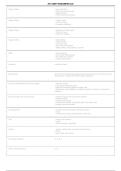
Stage 1 Sleep - Very light sleep
- Only a few minutes long
- Awaken easily
- Feels relaxed and drowsy
Stage 2 Sleep - Deeper sleep
- 10-20 min long
- Increased relaxation
Stage 3 Sleep - Beginning of deep sleep
- 15-30 min long
- Difficult to awaken
Stage 4 Sleep - "Delta Sleep"
- Deepest sleep
- 15-30 min long
- Very difficult to awaken
- Sleep walking, sleep talking, enuresis
REM - vivid dreaming
- 90 min after falling asleep
- Very difficult to awaken
- cognitive restoration
Insomnia inability to sleep
Sleep apnea More than five breathing cessations lasting longer than 10 seconds per hour
during sleep = decreased arterial oxygen saturation
Nursing consideration for Rest and Sleep - Bed time routine
- Limit clients walking at night
- Help with personal hygiene and back rubs
- Medication: benzodiazepine: sedative-hypnotics, zolpidem, eszopiclone,
zaleplon
Client education for rest and sleep - exercise regular (2 hours) before bedtime
- bedtime routine
- comfort environment
- limit alcohol, caffeine, nicotine at least 4 hrs before bed
- engage muscle relaxation
Carbohydrates - provides most of the body's energy and fiber
- 4 kcal
- whole grains, breads, baked potato, brown rice
Fats - energy and vitamins
- 9 kcal
- olive oil, salmon, egg yolks
Protein - growth, maintenance and repair of body tissue
- 4 kcal
- beef, whole milk, poultry
Fat soluble vitamins A, D, E, K
Water soluble Vitamins C, B
, ATI CMS FUNDAMENTALS
Minerals - complete essential biochemical reactions
- calcium, potassium, sodium, iron
Newborns starting to eat solid foods - 4-6 months
- No cow's milk or honey for the first year
Anorexia Nervosa - eating disorder
- low body weight
- self perception of being far
- consistent restriction of food intake
bulimia nervosa - eating disorder
- binge eating followed by purging
Healthy BMI 18.5-25
Preventing aspiration - Position in high fowlers
- tuck chin when swallowing
- keep client in semi fowlers at least 1 hr after meals
Nutrition of Older adults (over 65) - slower metabolic rate require fewer calories
- thirst sensation diminish
- need same amount of vitamins and minerals as younger adults
- calcium intake
- need carbohydrates for fiber/bulk
Cane instructions - maintain two points of support
- keep cane on stronger side
- support body weight on both sides
- move weaker leg forward toward cane
- position crutches on unaffected side when sitting or rising from chair
Giving bed bath - wash face first
- lock wheels on bed
- long firm strokes
Foot care for diabetics - do not soak feet
- do not cut nails
- file nails using nail filer
- can apply lotion BUT do not apply lotion IN BETWEEN fingers or toes
Living will directive documents for medical treatment per the client's wishes
Advance directives legal documents that direct end of life issues
denial difficult believing a terminal diagnosis or loss
anger lashes out at other people or things
bargaining negotiates for more time or a cure
Stage 1 Sleep - Very light sleep
- Only a few minutes long
- Awaken easily
- Feels relaxed and drowsy
Stage 2 Sleep - Deeper sleep
- 10-20 min long
- Increased relaxation
Stage 3 Sleep - Beginning of deep sleep
- 15-30 min long
- Difficult to awaken
Stage 4 Sleep - "Delta Sleep"
- Deepest sleep
- 15-30 min long
- Very difficult to awaken
- Sleep walking, sleep talking, enuresis
REM - vivid dreaming
- 90 min after falling asleep
- Very difficult to awaken
- cognitive restoration
Insomnia inability to sleep
Sleep apnea More than five breathing cessations lasting longer than 10 seconds per hour
during sleep = decreased arterial oxygen saturation
Nursing consideration for Rest and Sleep - Bed time routine
- Limit clients walking at night
- Help with personal hygiene and back rubs
- Medication: benzodiazepine: sedative-hypnotics, zolpidem, eszopiclone,
zaleplon
Client education for rest and sleep - exercise regular (2 hours) before bedtime
- bedtime routine
- comfort environment
- limit alcohol, caffeine, nicotine at least 4 hrs before bed
- engage muscle relaxation
Carbohydrates - provides most of the body's energy and fiber
- 4 kcal
- whole grains, breads, baked potato, brown rice
Fats - energy and vitamins
- 9 kcal
- olive oil, salmon, egg yolks
Protein - growth, maintenance and repair of body tissue
- 4 kcal
- beef, whole milk, poultry
Fat soluble vitamins A, D, E, K
Water soluble Vitamins C, B
, ATI CMS FUNDAMENTALS
Minerals - complete essential biochemical reactions
- calcium, potassium, sodium, iron
Newborns starting to eat solid foods - 4-6 months
- No cow's milk or honey for the first year
Anorexia Nervosa - eating disorder
- low body weight
- self perception of being far
- consistent restriction of food intake
bulimia nervosa - eating disorder
- binge eating followed by purging
Healthy BMI 18.5-25
Preventing aspiration - Position in high fowlers
- tuck chin when swallowing
- keep client in semi fowlers at least 1 hr after meals
Nutrition of Older adults (over 65) - slower metabolic rate require fewer calories
- thirst sensation diminish
- need same amount of vitamins and minerals as younger adults
- calcium intake
- need carbohydrates for fiber/bulk
Cane instructions - maintain two points of support
- keep cane on stronger side
- support body weight on both sides
- move weaker leg forward toward cane
- position crutches on unaffected side when sitting or rising from chair
Giving bed bath - wash face first
- lock wheels on bed
- long firm strokes
Foot care for diabetics - do not soak feet
- do not cut nails
- file nails using nail filer
- can apply lotion BUT do not apply lotion IN BETWEEN fingers or toes
Living will directive documents for medical treatment per the client's wishes
Advance directives legal documents that direct end of life issues
denial difficult believing a terminal diagnosis or loss
anger lashes out at other people or things
bargaining negotiates for more time or a cure


