
1000 Flashcards Computed Tomography Exam
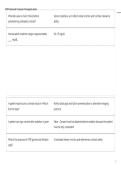
What lab value is most critical before Serum creatinine, as it reflects renal function and contrast clearance
administering iodinated contrast? ability.
Normal adult creatinine range is approximately 0.6-1.3 mg/dL
______ mg/dL.
A patient reports prior contrast reaction. What is Notify radiologist and follow premedication or alternative imaging
the first step? protocol.
A patient can sign consent after sedation is given. False - Consent must be obtained before sedation because the patient
must be fully competent.
What is the purpose of GFR (glomerular filtration It evaluates kidney function and determines contrast safety.
rate)?
1
,1000 Flashcards Computed Tomography Exam
What GFR level is typically considered high risk for Less than 30 mL/min/1.73m²
contrast use?
Define extravasation. Leakage of contrast media into surrounding tissue outside the vein.
What symptom indicates contrast extravasation? Swelling, pain, or burning at injection site.
Why should you avoid using a limb with IV infusion Risk of dilution, inaccurate contrast delivery, and potential
for contrast injection? complications.
What is the primary goal of patient positioning Ensure patient safety, immobilization, and image quality.
aids?
The CT table weight limit is important to prevent equipment damage
______ and ensure patient safety.
2
,1000 Flashcards Computed Tomography Exam
What is ergonomics in CT practice? Proper body mechanics to prevent injury while handling patients and
equipment.
Which transfer device reduces injury risk most Slide board or transfer sheet.
effectively?
Define patient screening. Process of evaluating patient history for contraindications before CT.
A diabetic patient takes metformin. What should Risk of lactic acidosis; follow guidelines for withholding medication
you consider? post-contrast.
Metformin should typically be withheld for ______ 48 hours
hours after contrast.
All patients require contrast consent. False - Only required for procedures involving contrast media.
What is tachycardia? Elevated heart rate (>100 bpm in adults).
Why is patient history important in CT? Identifies risks like allergies, pregnancy, or renal impairment.
Define hypersensitivity reaction. An exaggerated immune response to contrast media.
3
, 1000 Flashcards Computed Tomography Exam
Mild contrast reaction example? Nausea, itching, or mild rash.
Severe contrast reaction example? Anaphylaxis, bronchospasm, or cardiac arrest.
What is the first action during a severe contrast Stop contrast injection and call for emergency assistance.
reaction?
Oxygen saturation below ______% is considered 95%
abnormal.
Define pulse oximetry. Non-invasive method to measure oxygen saturation in blood.
Patient is anxious. What communication technique Clear explanation and reassurance using simple language.
helps most?
What is patient education in CT? Informing patient about procedure, risks, and expectations.
Why remove metal objects before CT? Prevent artifacts and improve image quality.
4
What lab value is most critical before Serum creatinine, as it reflects renal function and contrast clearance
administering iodinated contrast? ability.
Normal adult creatinine range is approximately 0.6-1.3 mg/dL
______ mg/dL.
A patient reports prior contrast reaction. What is Notify radiologist and follow premedication or alternative imaging
the first step? protocol.
A patient can sign consent after sedation is given. False - Consent must be obtained before sedation because the patient
must be fully competent.
What is the purpose of GFR (glomerular filtration It evaluates kidney function and determines contrast safety.
rate)?
1
,1000 Flashcards Computed Tomography Exam
What GFR level is typically considered high risk for Less than 30 mL/min/1.73m²
contrast use?
Define extravasation. Leakage of contrast media into surrounding tissue outside the vein.
What symptom indicates contrast extravasation? Swelling, pain, or burning at injection site.
Why should you avoid using a limb with IV infusion Risk of dilution, inaccurate contrast delivery, and potential
for contrast injection? complications.
What is the primary goal of patient positioning Ensure patient safety, immobilization, and image quality.
aids?
The CT table weight limit is important to prevent equipment damage
______ and ensure patient safety.
2
,1000 Flashcards Computed Tomography Exam
What is ergonomics in CT practice? Proper body mechanics to prevent injury while handling patients and
equipment.
Which transfer device reduces injury risk most Slide board or transfer sheet.
effectively?
Define patient screening. Process of evaluating patient history for contraindications before CT.
A diabetic patient takes metformin. What should Risk of lactic acidosis; follow guidelines for withholding medication
you consider? post-contrast.
Metformin should typically be withheld for ______ 48 hours
hours after contrast.
All patients require contrast consent. False - Only required for procedures involving contrast media.
What is tachycardia? Elevated heart rate (>100 bpm in adults).
Why is patient history important in CT? Identifies risks like allergies, pregnancy, or renal impairment.
Define hypersensitivity reaction. An exaggerated immune response to contrast media.
3
, 1000 Flashcards Computed Tomography Exam
Mild contrast reaction example? Nausea, itching, or mild rash.
Severe contrast reaction example? Anaphylaxis, bronchospasm, or cardiac arrest.
What is the first action during a severe contrast Stop contrast injection and call for emergency assistance.
reaction?
Oxygen saturation below ______% is considered 95%
abnormal.
Define pulse oximetry. Non-invasive method to measure oxygen saturation in blood.
Patient is anxious. What communication technique Clear explanation and reassurance using simple language.
helps most?
What is patient education in CT? Informing patient about procedure, risks, and expectations.
Why remove metal objects before CT? Prevent artifacts and improve image quality.
4


