

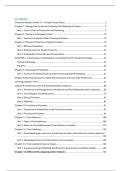
Contents
Consumer Studies Grade 12 – In-Depth Study Notes .................................................................. 3
Chapter 1: Moving from an Idea to Producing and Marketing a Product ....................................... 3
Unit 1: From an Idea to Production and Marketing ................................................................... 3
Chapter 2: Choice of a Suitable Product ................................................................................... 10
Unit 1: Factors to Consider When Choosing a Product .......................................................... 10
Chapter 3: Efficient Production of Quality Products .................................................................. 19
Unit 1: Efficient Production.................................................................................................... 19
Unit 2: Requirements for Quality Products ............................................................................ 23
Unit 3: Sustainable Production and Consumption................................................................. 31
CHAPTER 4 - Developing a marketing plan according to the 5P marketing strategy ................... 35
Marketing Strategy................................................................................................................. 35
The 5 P’s: ............................................................................................................................... 35
Chapter 5: Sustainable Profitability........................................................................................... 37
Unit 1: Financial Feasibility Study to Determine Sustainable Profitability .............................. 37
Chapter 6: Best Sale Scenarios, Worst Sale Scenarios and Cash Flow Projections ................... 47
Clothing Chapters 7 & 8 ............................................................................................................ 51
Chapter 9: Nutritional and Food-Related Health Conditions..................................................... 60
Unit 1: Prevention and Management of Nutritional and Food-Related Health Conditions...... 60
Unit 2: Food Allergies and Intolerances ................................................................................. 72
Unit 3: Eating Disorders......................................................................................................... 81
Unit 4: HIV/AIDS .................................................................................................................... 86
Chapter 10: Food-borne Diseases............................................................................................. 91
Unit 1: Transmission Possibilities in the Food Environment ................................................... 91
Unit 2: Food-borne Diseases ................................................................................................. 97
Chapter 11: Food Additives ..................................................................................................... 108
Unit 1: Types of Food Additives............................................................................................ 108
Unit 2: Safety of Food Additives and Their Influence on Health ............................................ 114
Chapter 12: Food Labelling ..................................................................................................... 120
Unit 1: Food labelling as a source of nutritional and other information for product selection
............................................................................................................................................ 120
Unit 2: Misleading Nutrient Content Claims on Food Labels ............................................... 122
Chapter 13: Food-related Consumer Issues............................................................................ 124
Unit 1: Issues Impacting the Natural and Economic Environment and Public Health........... 124
Chapter 14: Different Housing Acquisition Options ............................................................ 128
, Unit 1: Housing acquisition options..................................................................................... 128
Chapter 15: Financial and Contractual Aspects Related to Buying Real Property.................... 136
Unit 1: Buying a house ......................................................................................................... 136
Unit 2: Housing support to homeowners ............................................................................. 143
Chapter 16: Buying Household Appliances ............................................................................. 146
Unit 1: Factors to consider when shopping for household appliances ................................. 146
UNIT 2: Choice of Functional Household Appliances .......................................................... 156
UNIT 3: FINANCIAL AND CONTRACTUAL RESPONSIBILITIES......................................... 181
CHAPTER 17: FINANCIAL AND CONTRACTUAL ASPECTS CONSUMERS SHOULD TAKE NOTE
OF ........................................................................................................................................... 193
UNIT 1: FINANCIAL AND CONTRACTUAL ASPECTS TO NOTE......................................... 193
Chapter 18: Taxes, Interest Rates and Inflation ....................................................................... 213
Unit 1: Taxes Paid by South Africans .................................................................................... 213
Unit 2: Interest Rates and Inflation ...................................................................................... 218
Chapter 19 and 20 Sustainable consumption of electricity and water..................................... 227
FOSSIL FUELS ..................................................................................................................... 227
25. RENEWABLE ENERGY.................................................................................................... 227
26. RESPONSIBLE ELECTRICITY USE................................................................................... 227
27. SOLAR ENERGY ............................................................................................................. 228
28. WIND POWER................................................................................................................ 229
29. HYDROPOWER.............................................................................................................. 229
Chapter 21 MUNICIPAL SERVICES .......................................................................................... 231
MUNICIPAL RESPONSIBILITIES ........................................................................................... 231
32. MUNICIPAL SERVICE DELIVERY — EVALUATION ........................................................... 232
CHAPTER 21: MUNICIPAL SERVICES ................................................................................. 232
UNIT 1: RESPONSIBILITIES OF MUNICIPALITIES REGARDING SERVICES AND SERVICE
DELIVERY ............................................................................................................................ 232
UNIT 2: RESPONSIBILITIES OF COMMUNITIES REGARDING THE USE OF MUNICIPAL
SERVICES ............................................................................................................................ 241
,Consumer Studies Grade 12 – In-Depth Study Notes
Chapter 1: Moving from an Idea to Producing and Marketing a Product
Unit 1: From an Idea to Production and Marketing
1.1 What is a Good Business Opportunity?
A good business opportunity is:
• An idea that can become a successful business.
• Profitable (makes money).
• Suitable for the entrepreneur.
• Easy to start and manage.
Characteristics of Successful Home-Based Businesses
✔ Flexible working hours
✔ Low start-up costs
✔ Easy to set up
✔ Can be managed from home
✔ Something the entrepreneur enjoys doing
1.2 Identifying a Profitable Home-Based Business Opportunity
Profitable Business
A profitable business:
• Generates income.
• Covers business expenses.
• Allows money to be reinvested into the business.
• Helps the business grow.
Factors to Consider
1. Your Personality and Interests
Ask:
• Do I enjoy this work?
• Will I enjoy doing it every day?
, Example:
If you enjoy baking, a baking business may suit you.
2. Need in the Community
Ask:
• Do people want this product?
• Is there a market for it?
Example:
Selling sweet chilli sauce where there is demand.
3. Your Capabilities
Ask:
• Do I have the ability to produce the product?
• Can I maintain quality?
4. Time vs Profit
Ask:
• Is the time spent worth the money earned?
A product that takes many hours but makes little profit may not be worthwhile.
5. Business Skills
You need skills such as:
• Planning
• Organising
• Budgeting
• Marketing
• Record keeping
6. Available Time
Consider:
• School
• Family responsibilities
Consumer Studies Grade 12 – In-Depth Study Notes .................................................................. 3
Chapter 1: Moving from an Idea to Producing and Marketing a Product ....................................... 3
Unit 1: From an Idea to Production and Marketing ................................................................... 3
Chapter 2: Choice of a Suitable Product ................................................................................... 10
Unit 1: Factors to Consider When Choosing a Product .......................................................... 10
Chapter 3: Efficient Production of Quality Products .................................................................. 19
Unit 1: Efficient Production.................................................................................................... 19
Unit 2: Requirements for Quality Products ............................................................................ 23
Unit 3: Sustainable Production and Consumption................................................................. 31
CHAPTER 4 - Developing a marketing plan according to the 5P marketing strategy ................... 35
Marketing Strategy................................................................................................................. 35
The 5 P’s: ............................................................................................................................... 35
Chapter 5: Sustainable Profitability........................................................................................... 37
Unit 1: Financial Feasibility Study to Determine Sustainable Profitability .............................. 37
Chapter 6: Best Sale Scenarios, Worst Sale Scenarios and Cash Flow Projections ................... 47
Clothing Chapters 7 & 8 ............................................................................................................ 51
Chapter 9: Nutritional and Food-Related Health Conditions..................................................... 60
Unit 1: Prevention and Management of Nutritional and Food-Related Health Conditions...... 60
Unit 2: Food Allergies and Intolerances ................................................................................. 72
Unit 3: Eating Disorders......................................................................................................... 81
Unit 4: HIV/AIDS .................................................................................................................... 86
Chapter 10: Food-borne Diseases............................................................................................. 91
Unit 1: Transmission Possibilities in the Food Environment ................................................... 91
Unit 2: Food-borne Diseases ................................................................................................. 97
Chapter 11: Food Additives ..................................................................................................... 108
Unit 1: Types of Food Additives............................................................................................ 108
Unit 2: Safety of Food Additives and Their Influence on Health ............................................ 114
Chapter 12: Food Labelling ..................................................................................................... 120
Unit 1: Food labelling as a source of nutritional and other information for product selection
............................................................................................................................................ 120
Unit 2: Misleading Nutrient Content Claims on Food Labels ............................................... 122
Chapter 13: Food-related Consumer Issues............................................................................ 124
Unit 1: Issues Impacting the Natural and Economic Environment and Public Health........... 124
Chapter 14: Different Housing Acquisition Options ............................................................ 128
, Unit 1: Housing acquisition options..................................................................................... 128
Chapter 15: Financial and Contractual Aspects Related to Buying Real Property.................... 136
Unit 1: Buying a house ......................................................................................................... 136
Unit 2: Housing support to homeowners ............................................................................. 143
Chapter 16: Buying Household Appliances ............................................................................. 146
Unit 1: Factors to consider when shopping for household appliances ................................. 146
UNIT 2: Choice of Functional Household Appliances .......................................................... 156
UNIT 3: FINANCIAL AND CONTRACTUAL RESPONSIBILITIES......................................... 181
CHAPTER 17: FINANCIAL AND CONTRACTUAL ASPECTS CONSUMERS SHOULD TAKE NOTE
OF ........................................................................................................................................... 193
UNIT 1: FINANCIAL AND CONTRACTUAL ASPECTS TO NOTE......................................... 193
Chapter 18: Taxes, Interest Rates and Inflation ....................................................................... 213
Unit 1: Taxes Paid by South Africans .................................................................................... 213
Unit 2: Interest Rates and Inflation ...................................................................................... 218
Chapter 19 and 20 Sustainable consumption of electricity and water..................................... 227
FOSSIL FUELS ..................................................................................................................... 227
25. RENEWABLE ENERGY.................................................................................................... 227
26. RESPONSIBLE ELECTRICITY USE................................................................................... 227
27. SOLAR ENERGY ............................................................................................................. 228
28. WIND POWER................................................................................................................ 229
29. HYDROPOWER.............................................................................................................. 229
Chapter 21 MUNICIPAL SERVICES .......................................................................................... 231
MUNICIPAL RESPONSIBILITIES ........................................................................................... 231
32. MUNICIPAL SERVICE DELIVERY — EVALUATION ........................................................... 232
CHAPTER 21: MUNICIPAL SERVICES ................................................................................. 232
UNIT 1: RESPONSIBILITIES OF MUNICIPALITIES REGARDING SERVICES AND SERVICE
DELIVERY ............................................................................................................................ 232
UNIT 2: RESPONSIBILITIES OF COMMUNITIES REGARDING THE USE OF MUNICIPAL
SERVICES ............................................................................................................................ 241
,Consumer Studies Grade 12 – In-Depth Study Notes
Chapter 1: Moving from an Idea to Producing and Marketing a Product
Unit 1: From an Idea to Production and Marketing
1.1 What is a Good Business Opportunity?
A good business opportunity is:
• An idea that can become a successful business.
• Profitable (makes money).
• Suitable for the entrepreneur.
• Easy to start and manage.
Characteristics of Successful Home-Based Businesses
✔ Flexible working hours
✔ Low start-up costs
✔ Easy to set up
✔ Can be managed from home
✔ Something the entrepreneur enjoys doing
1.2 Identifying a Profitable Home-Based Business Opportunity
Profitable Business
A profitable business:
• Generates income.
• Covers business expenses.
• Allows money to be reinvested into the business.
• Helps the business grow.
Factors to Consider
1. Your Personality and Interests
Ask:
• Do I enjoy this work?
• Will I enjoy doing it every day?
, Example:
If you enjoy baking, a baking business may suit you.
2. Need in the Community
Ask:
• Do people want this product?
• Is there a market for it?
Example:
Selling sweet chilli sauce where there is demand.
3. Your Capabilities
Ask:
• Do I have the ability to produce the product?
• Can I maintain quality?
4. Time vs Profit
Ask:
• Is the time spent worth the money earned?
A product that takes many hours but makes little profit may not be worthwhile.
5. Business Skills
You need skills such as:
• Planning
• Organising
• Budgeting
• Marketing
• Record keeping
6. Available Time
Consider:
• School
• Family responsibilities


