NFHS Football
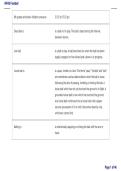
8th grade and below inflation pressure 12 1/2 to 13 1/2 psi
Dead ball is is a ball not in play. The ball is dead during the interval
between downs.
Live ball is a ball in play. A ball becomes live when the ball has been
legally snapped or free kicked and a down is in progress.
Loose ball is is a pass, fumble or a kick. The terms "pass," "fumble" and "kick"
are sometimes used as abbreviations when the ball is loose
following the acts of passing, fumbling or kicking the ball. A
loose ball which has not yet touched the ground is in flight. A
grounded loose ball is one which has touched the ground.
Any loose ball continues to be a loose ball until a player
secures possession of it or until it becomes dead by rule,
whichever comes first.
Batting is is intentionally slapping or striking the ball with the arm or
hand.
Page 1 of 46
,NFHS Football
Blocking obstructing an opponent by contacting him with any part of
the blocker's body. ART. 2 . . . In blocking, a player may
contact opponents with the arms or hands provided the
technique is legal. The legal techniques are as follows: a.
Closed or cupped hand technique: 1. The elbows may be
inside or outside the shoulders. 2. The hands must be closed
or cupped with the palms not facing the opponent. 3. The
forearms are extended no more than 45 degrees from the
body. b. Open hand technique. The hand(s) shall be: 1. In
advance of the elbow. 2. Inside the frame of the blocker's
body; the frame of the blocker's body is the front of the body
at or below the shoulders. 3. Inside the frame of the
opponent's body, except when the opponent turns his back to
the blocker during the block or after the blocker is committed
to his charge. The frame of the opponent's body is at the
shoulders or below other than the back. 4. At or below the
shoulders of the blocker and the opponent, except when the
opponent squats, ducks or submarines during the block or
after the blocker is committed to his charge. 5. Open, when
the palm(s) are facing the frame of the opponent or when the
forearms are extended beyond the 45 degree angle from the
body.
Page 2 of 46
,NFHS Football
Blockers hands The blocker's hand(s) may not be locked nor may he swing,
throw or flip the elbow or forearm so that it is moving faster
than the blocker's shoulders at the time the elbow, forearm or
shoulder contacts the opponent. The blocker may not initiate
contact with his arm or hand against an opponent above the
opponent's shoulder, but he may use his hand or arm to break
a fall or maintain his balance.
Offensive players blocking hands may also use his hands or arms: a. When he is a runner, to
ward off or push any player. b. During a kick, to ward off an
opponent who is attempting to block him. c. To push, pull or
ward off an opponent when the ball is loose if he may legally
touch or possess the ball if such contact is not pass
interference, a personal foul or illegal use of hands.
Defensive blocking Use unlocked hands, hand or arm to ward off an opponent
who is blocking him or is attempting to block him. b. Push, pull
or ward off an opponent in an actual attempt to get at the
runner or a loose ball if such contact is not pass interference,
a personal foul or illegal use of hands.
Page 3 of 46
, NFHS Football
Blocking article 6 When a player on defense uses a hand or arm, the hand must
be in advance of the elbow at the time of the contact and at
the shoulder or below unless the opponent squats, ducks or
submarines.
Blocking below the waist article 7 is making initial contact below the waist from the front or side
against an opponent other than a runner. Contact with an
opponent's hand(s) below the waist that continues into the
body below the waist is considered blocking below the waist.
Blocking below the waist applies only when the opponent has
one or both feet on the ground.
Chop block article 8 is a combination block by two or more teammates against an
opponent other than the runner, with or without delay, where
one of the blocks is low (at the knee or below) and one of the
blocks is high (above the knee) ( Table 9-3-6 ).
Interlock block article 9 occurs when one player grasps or encircles a teammate just
prior to or while blocking an opponent.
Blindside block article 10 is a block against an opponent other than the runner, who
does not see the blocker approaching.
Page 4 of 46
8th grade and below inflation pressure 12 1/2 to 13 1/2 psi
Dead ball is is a ball not in play. The ball is dead during the interval
between downs.
Live ball is a ball in play. A ball becomes live when the ball has been
legally snapped or free kicked and a down is in progress.
Loose ball is is a pass, fumble or a kick. The terms "pass," "fumble" and "kick"
are sometimes used as abbreviations when the ball is loose
following the acts of passing, fumbling or kicking the ball. A
loose ball which has not yet touched the ground is in flight. A
grounded loose ball is one which has touched the ground.
Any loose ball continues to be a loose ball until a player
secures possession of it or until it becomes dead by rule,
whichever comes first.
Batting is is intentionally slapping or striking the ball with the arm or
hand.
Page 1 of 46
,NFHS Football
Blocking obstructing an opponent by contacting him with any part of
the blocker's body. ART. 2 . . . In blocking, a player may
contact opponents with the arms or hands provided the
technique is legal. The legal techniques are as follows: a.
Closed or cupped hand technique: 1. The elbows may be
inside or outside the shoulders. 2. The hands must be closed
or cupped with the palms not facing the opponent. 3. The
forearms are extended no more than 45 degrees from the
body. b. Open hand technique. The hand(s) shall be: 1. In
advance of the elbow. 2. Inside the frame of the blocker's
body; the frame of the blocker's body is the front of the body
at or below the shoulders. 3. Inside the frame of the
opponent's body, except when the opponent turns his back to
the blocker during the block or after the blocker is committed
to his charge. The frame of the opponent's body is at the
shoulders or below other than the back. 4. At or below the
shoulders of the blocker and the opponent, except when the
opponent squats, ducks or submarines during the block or
after the blocker is committed to his charge. 5. Open, when
the palm(s) are facing the frame of the opponent or when the
forearms are extended beyond the 45 degree angle from the
body.
Page 2 of 46
,NFHS Football
Blockers hands The blocker's hand(s) may not be locked nor may he swing,
throw or flip the elbow or forearm so that it is moving faster
than the blocker's shoulders at the time the elbow, forearm or
shoulder contacts the opponent. The blocker may not initiate
contact with his arm or hand against an opponent above the
opponent's shoulder, but he may use his hand or arm to break
a fall or maintain his balance.
Offensive players blocking hands may also use his hands or arms: a. When he is a runner, to
ward off or push any player. b. During a kick, to ward off an
opponent who is attempting to block him. c. To push, pull or
ward off an opponent when the ball is loose if he may legally
touch or possess the ball if such contact is not pass
interference, a personal foul or illegal use of hands.
Defensive blocking Use unlocked hands, hand or arm to ward off an opponent
who is blocking him or is attempting to block him. b. Push, pull
or ward off an opponent in an actual attempt to get at the
runner or a loose ball if such contact is not pass interference,
a personal foul or illegal use of hands.
Page 3 of 46
, NFHS Football
Blocking article 6 When a player on defense uses a hand or arm, the hand must
be in advance of the elbow at the time of the contact and at
the shoulder or below unless the opponent squats, ducks or
submarines.
Blocking below the waist article 7 is making initial contact below the waist from the front or side
against an opponent other than a runner. Contact with an
opponent's hand(s) below the waist that continues into the
body below the waist is considered blocking below the waist.
Blocking below the waist applies only when the opponent has
one or both feet on the ground.
Chop block article 8 is a combination block by two or more teammates against an
opponent other than the runner, with or without delay, where
one of the blocks is low (at the knee or below) and one of the
blocks is high (above the knee) ( Table 9-3-6 ).
Interlock block article 9 occurs when one player grasps or encircles a teammate just
prior to or while blocking an opponent.
Blindside block article 10 is a block against an opponent other than the runner, who
does not see the blocker approaching.
Page 4 of 46