

Nurs 222 final exam
Study online at https://quizlet.com/_apptf2
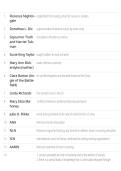
1. Florence Nightin- established first training school for nurses in London
gale
2. Dorothea L. Dix superintendent of women nurses by union army
3. Sojourner Truth led slaves to freedom as nurses
and Harriet Tub-
man
4. Susie King Taylor taught soldiers to read and write
5. Mary Ann Bick- made clinliness a priority
erdyke (mother)
6. Clara Barton (An- set up field hospitals and founded American Red Cross
gle of the Battle-
field)
7. Linda Richards first trained nurse in the US
8. Mary Eliza Ma- 1st African American professionally educated nurse
honey
9. Julie O. Flikke nurse to be promoted to the rank of colonel in the US army
10. ANA American Nurses Association
11. NLN National League for Nursing, was formed to address issues in nursing education
12. ICN international council of Nurses, dedicated to uniting nursing organizations
13. AAMN American assembly of men in nursing
14. 1. services provided are vital to humanity and to the welfare of society
2. there is a special body of knowledge that is continually enlarged through
, Nurs 222 final exam
Study online at https://quizlet.com/_apptf2
Kellys Criteria: 8 research
Characteristics of 3. the services involve the intellectual activities: individual responsibility (account-
a Profession ability) is strong
4. practitioners are educated in institutions of higher learning
5. practitioners are relatively independent and control their own policies and
activities (autonomy)
6. Practitioners are motivated by service (altruism) and consider their work an
important component of their lives
7. there is a code of ethics to guide the decisions and conduct of practitioners
8. there is an organization (association) that encourages and supports high stan-
dards of practice
15. Occupation -training may occur on the job
-length of training varies. work in largely manual. decision making is guided largely
by experiences or by trial and error
-values, beliefs, and ethics are not prominent features of preparation. commitment
and personal identification vary, workers are supervised. people often change
jobs.
-material reward is main motivation
-accountability rests primarily with employer
16. Profession -education takes place in a college or university
-education is prolonged. work involves mental creativity. decision making is based
largely on science or theoretical constructs (evidence-based practice)
-values, beliefs, and ethics are an integral part of preparation, commitment, and
personal identifications are strong. workers are autonomous. People are unlikely
to change professions
-commitment transcends material reward
-accountability rests with the individual
17. essence of colle- -promotion of a supportive and health work environment, cooperation, and recog-
giality nition of interdependence among members of the nursing profession
Study online at https://quizlet.com/_apptf2
1. Florence Nightin- established first training school for nurses in London
gale
2. Dorothea L. Dix superintendent of women nurses by union army
3. Sojourner Truth led slaves to freedom as nurses
and Harriet Tub-
man
4. Susie King Taylor taught soldiers to read and write
5. Mary Ann Bick- made clinliness a priority
erdyke (mother)
6. Clara Barton (An- set up field hospitals and founded American Red Cross
gle of the Battle-
field)
7. Linda Richards first trained nurse in the US
8. Mary Eliza Ma- 1st African American professionally educated nurse
honey
9. Julie O. Flikke nurse to be promoted to the rank of colonel in the US army
10. ANA American Nurses Association
11. NLN National League for Nursing, was formed to address issues in nursing education
12. ICN international council of Nurses, dedicated to uniting nursing organizations
13. AAMN American assembly of men in nursing
14. 1. services provided are vital to humanity and to the welfare of society
2. there is a special body of knowledge that is continually enlarged through
, Nurs 222 final exam
Study online at https://quizlet.com/_apptf2
Kellys Criteria: 8 research
Characteristics of 3. the services involve the intellectual activities: individual responsibility (account-
a Profession ability) is strong
4. practitioners are educated in institutions of higher learning
5. practitioners are relatively independent and control their own policies and
activities (autonomy)
6. Practitioners are motivated by service (altruism) and consider their work an
important component of their lives
7. there is a code of ethics to guide the decisions and conduct of practitioners
8. there is an organization (association) that encourages and supports high stan-
dards of practice
15. Occupation -training may occur on the job
-length of training varies. work in largely manual. decision making is guided largely
by experiences or by trial and error
-values, beliefs, and ethics are not prominent features of preparation. commitment
and personal identification vary, workers are supervised. people often change
jobs.
-material reward is main motivation
-accountability rests primarily with employer
16. Profession -education takes place in a college or university
-education is prolonged. work involves mental creativity. decision making is based
largely on science or theoretical constructs (evidence-based practice)
-values, beliefs, and ethics are an integral part of preparation, commitment, and
personal identifications are strong. workers are autonomous. People are unlikely
to change professions
-commitment transcends material reward
-accountability rests with the individual
17. essence of colle- -promotion of a supportive and health work environment, cooperation, and recog-
giality nition of interdependence among members of the nursing profession


