

KLETC Final Exam
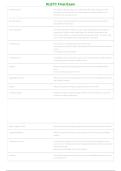
6th Amendment The right to a Speedy Trial by jury, informed of the nature and cause of the
accusation, confronted with the witness against him, representation by an
attorney for an accused person.
8th Amendment No cruel or unusual punishment or excessive bail. Cannot force inmates to
participate in medical tests.
14th Amendment No state shall make or enforce any law which shall abridge the privileges or
immunities of citizens of the United States; nor shall any state deprive any
person of life, liberty, or property, without due process of law; nor deny to any
person within its jurisdiction the equal protection of the laws.
Voluntary Act Not a seizure, not stopping freedom of movement.
May approach and ask for name, identification, etc, individual does not have to
answer.
No standard of proof required.
Involuntary Act Investigatory Stops, reasonable suspicion of criminal activity or traffic violation.
Custody (beyond a seizure), Probable Cause.
Assault When the suspect knowingly places the victim in fear of immediate bodily
harm.
Proof must be gained by the Victim.
Aggravated Assault When the suspect knowingly places the victim in fear of immediate bodily harm
with a deadly weapon.
Battery When the suspect knowingly causes bodily harm to the victim.
Domestic Battery Bodily harm against a family member, member of the household, or has been
involved in a dating relationship.
Battery Against a LEO When the suspect knowingly causes bodily harm to a Law Enforcement Officer.
Aggravated Battery When the suspect knowingly causes bodily harm to the victim using a deadly
weapon.
Disorderly Conduct An arrest allowed solely on the use of the word used by the suspect, those
words must be "fighting words" which is generally defined as offensive, abusive,
obscene language.
Words cause immediate breach of the peace.
Robbery The unlawful taking of property from a person's immediate possession by force
or threat of force.
, KLETC Final Exam
Aggravated Robbery The unlawful taking of property from a person's immediate possession by force
or threat of force using a deadly weapon.
Rape Any form of sexual intercourse that knowingly takes place against the victim's
will.
Victim must be overcome by force or fear or unconscious/ physically
powerless.
Indecent liberties with a child. Lewd fondling or touching with intent to arouse sexual desire of child, offender,
or other.
Soliciting child to engage in the above.
Child must be between 14-16 years of age.
Touching of sex organs is not required.
Aggravated indecent liberties with a child. Consensual Sexual Intercourse with child between the age of 14-16.
OR
Engaged in any of the following without consent:
A) Lewd fondling or touching with intent to arouse sexual desire of child,
offender, or other.
B) Causing Child to engage in the above.
C) Engage in any of the above with a child under the age of 14.
Theft Taking another person's possessions without force or threat of force.
Criminal Deprivation Obtaining unauthorized control,
Over property,
With intent to temporarily derive owner of it's use,
Without the owner's consent.
Misdemeanor only,
Firearm = Felony.
Burglary Without authority,
Entering into or remaining within,
A dwelling, building, or vehicle,
With the intent to commit,
A felony, a theft, or a sexually motivated crime therein,
Forceful entry not required,
No person present,
NEVER charged alone, always charged with a 2nd crime.
, KLETC Final Exam
Aggravated Burglary Without authority,
Entering into or remaining within,
A dwelling, building, or vehicle in which there is mere presence of a human
being,
With the intent to commit,
A felony, a theft, or a sexually motivated crime therein,
Forceful entry not required,
NEVER charged alone, always charged with a 2nd crime,
If consent is given and they commit a felony there, charges still apply.
Criminal Damage to Property By means other than fire or explosives,
Knowingly,
Damaging, destroying, or defacing,
The use of any property in which another has an interest,
Without the consent of such other person.
Misdemeanor = Less than $1,000,
Felony = More than $1,000,
If repair costs exceeds value, use fair market value,
Reckless conduct is insufficient for charge.
Criminal Trespass Entering or remaining upon any,
Land, Structure, Vehicle, Aircraft,
By a person who knows they are not authorized to do so,
Enters in defiance of an order not to enter or to leave,
OR
Enters in defiance of a no trespassing sign posted,
OR
Enters in defiance of a restraining order.
Owner of property can not tell person with restraining order it's ok to enter.
Interference with LE Falsely reporting a crime, intentionally,
Tampering with evidence to interfere with criminal investigation,
Knowingly: Obstructing, Resisting, or Opposing (hindering) a LEO in the
discharge of their official duty,
Must make it substantially harder to perform duties.
Circumstances when consent search is authorized. When given knowingly, voluntarily, and intelligently.
It may be drawn back at any time.
Scope of search cannot exceed scope of consent.
Must be obtained from someone authorized to consent.
Circumstances constituting plain view in KS. Any officer may frequently seize evidence without a warrant when they are
lawfully present at the location from which they see it, and it is immediately
apparent that the item can be seized as contraband or evidence of crime.
Probable Cause is present.
Circumstances for searching a motor vehicle without a Police may search a vehicle without a warrant when they have probable cause
warrant under the Carroll Doctrine. that the vehicle contains contraband/ evidence and the vehicle is mobile.
6th Amendment The right to a Speedy Trial by jury, informed of the nature and cause of the
accusation, confronted with the witness against him, representation by an
attorney for an accused person.
8th Amendment No cruel or unusual punishment or excessive bail. Cannot force inmates to
participate in medical tests.
14th Amendment No state shall make or enforce any law which shall abridge the privileges or
immunities of citizens of the United States; nor shall any state deprive any
person of life, liberty, or property, without due process of law; nor deny to any
person within its jurisdiction the equal protection of the laws.
Voluntary Act Not a seizure, not stopping freedom of movement.
May approach and ask for name, identification, etc, individual does not have to
answer.
No standard of proof required.
Involuntary Act Investigatory Stops, reasonable suspicion of criminal activity or traffic violation.
Custody (beyond a seizure), Probable Cause.
Assault When the suspect knowingly places the victim in fear of immediate bodily
harm.
Proof must be gained by the Victim.
Aggravated Assault When the suspect knowingly places the victim in fear of immediate bodily harm
with a deadly weapon.
Battery When the suspect knowingly causes bodily harm to the victim.
Domestic Battery Bodily harm against a family member, member of the household, or has been
involved in a dating relationship.
Battery Against a LEO When the suspect knowingly causes bodily harm to a Law Enforcement Officer.
Aggravated Battery When the suspect knowingly causes bodily harm to the victim using a deadly
weapon.
Disorderly Conduct An arrest allowed solely on the use of the word used by the suspect, those
words must be "fighting words" which is generally defined as offensive, abusive,
obscene language.
Words cause immediate breach of the peace.
Robbery The unlawful taking of property from a person's immediate possession by force
or threat of force.
, KLETC Final Exam
Aggravated Robbery The unlawful taking of property from a person's immediate possession by force
or threat of force using a deadly weapon.
Rape Any form of sexual intercourse that knowingly takes place against the victim's
will.
Victim must be overcome by force or fear or unconscious/ physically
powerless.
Indecent liberties with a child. Lewd fondling or touching with intent to arouse sexual desire of child, offender,
or other.
Soliciting child to engage in the above.
Child must be between 14-16 years of age.
Touching of sex organs is not required.
Aggravated indecent liberties with a child. Consensual Sexual Intercourse with child between the age of 14-16.
OR
Engaged in any of the following without consent:
A) Lewd fondling or touching with intent to arouse sexual desire of child,
offender, or other.
B) Causing Child to engage in the above.
C) Engage in any of the above with a child under the age of 14.
Theft Taking another person's possessions without force or threat of force.
Criminal Deprivation Obtaining unauthorized control,
Over property,
With intent to temporarily derive owner of it's use,
Without the owner's consent.
Misdemeanor only,
Firearm = Felony.
Burglary Without authority,
Entering into or remaining within,
A dwelling, building, or vehicle,
With the intent to commit,
A felony, a theft, or a sexually motivated crime therein,
Forceful entry not required,
No person present,
NEVER charged alone, always charged with a 2nd crime.
, KLETC Final Exam
Aggravated Burglary Without authority,
Entering into or remaining within,
A dwelling, building, or vehicle in which there is mere presence of a human
being,
With the intent to commit,
A felony, a theft, or a sexually motivated crime therein,
Forceful entry not required,
NEVER charged alone, always charged with a 2nd crime,
If consent is given and they commit a felony there, charges still apply.
Criminal Damage to Property By means other than fire or explosives,
Knowingly,
Damaging, destroying, or defacing,
The use of any property in which another has an interest,
Without the consent of such other person.
Misdemeanor = Less than $1,000,
Felony = More than $1,000,
If repair costs exceeds value, use fair market value,
Reckless conduct is insufficient for charge.
Criminal Trespass Entering or remaining upon any,
Land, Structure, Vehicle, Aircraft,
By a person who knows they are not authorized to do so,
Enters in defiance of an order not to enter or to leave,
OR
Enters in defiance of a no trespassing sign posted,
OR
Enters in defiance of a restraining order.
Owner of property can not tell person with restraining order it's ok to enter.
Interference with LE Falsely reporting a crime, intentionally,
Tampering with evidence to interfere with criminal investigation,
Knowingly: Obstructing, Resisting, or Opposing (hindering) a LEO in the
discharge of their official duty,
Must make it substantially harder to perform duties.
Circumstances when consent search is authorized. When given knowingly, voluntarily, and intelligently.
It may be drawn back at any time.
Scope of search cannot exceed scope of consent.
Must be obtained from someone authorized to consent.
Circumstances constituting plain view in KS. Any officer may frequently seize evidence without a warrant when they are
lawfully present at the location from which they see it, and it is immediately
apparent that the item can be seized as contraband or evidence of crime.
Probable Cause is present.
Circumstances for searching a motor vehicle without a Police may search a vehicle without a warrant when they have probable cause
warrant under the Carroll Doctrine. that the vehicle contains contraband/ evidence and the vehicle is mobile.


