

1|Page
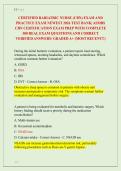
CERTIFIED BARIATRIC NURSE (CBN) EXAM AND
PRACTICE EXAM NEWEST 2026 TEST BANK| ASMBS
CBN CERTIFICATION EXAM PREP WITH COMPLETE
300 REAL EXAM QUESTIONS AND CORRECT
VERIFIED ANSWERS/ GRADED A+ (MOST RECENT!!)
During the initial bariatric evaluation, a patient reports loud snoring,
witnessed apneas, morning headaches, and daytime somnolence. Which
condition warrants further evaluation?
A. GERD
B. OSA
C. IBS
D. DVT - Correct Answer - B. OSA
Obstructive sleep apnea is common in patients with obesity and
increases perioperative respiratory risk. The symptoms warrant further
evaluation and management before surgery.
A patient is being evaluated for metabolic and bariatric surgery. Which
history finding should receive priority during the medication
reconciliation?
A. Multivitamin use
B. Occasional acetaminophen
C. NSAID use
D. Calcium intake - Correct Answer - C. NSAID use
NSAIDs can increase gastrointestinal ulceration risk, particularly
following procedures such as Roux-en-Y gastric bypass.
pg. 1
,2|Page
A patient scheduled for bariatric surgery reports vaping nicotine daily.
Which intervention is most appropriate?
A. Ignore the history
B. Increase caffeine
C. Restrict protein
D. Encourage cessation - Correct Answer - D. Encourage cessation
Nicotine exposure can adversely affect surgical outcomes, healing, and
ulcer risk. A cessation plan should be addressed preoperatively.
A patient with obesity and type 2 diabetes is preparing for surgery.
Which information is most important when planning perioperative
diabetes management?
A. Shoe size
B. Favorite beverage
C. Sleep preference
D. Current glucose-lowering regimen - Correct Answer - D. Current
glucose-lowering regimen
Antidiabetic therapy may require adjustment around fasting, surgery, and
postoperative changes in caloric intake.
A patient has poorly controlled hypertension immediately before an
elective bariatric procedure. What is the nurse's priority?
A. Proceed without discussion
B. Give an extra meal
C. Communicate the abnormal finding
D. Encourage vigorous exercise - Correct Answer - C. Communicate the
abnormal finding
pg. 2
,3|Page
Significant uncontrolled comorbidities should be identified and
addressed before elective surgery to reduce perioperative risk.
Four hours after Roux-en-Y gastric bypass, a patient's heart rate
increases from 82/min to 126/min. Blood pressure is 94/56 mm Hg.
Which finding is most concerning?
A. Mild nausea
B. Incisional soreness
C. Dry lips
D. Tachycardia - Correct Answer - D. Tachycardia
Unexplained postoperative tachycardia can be an early warning sign of
serious complications such as bleeding or anastomotic leak.
A postoperative patient develops increasing abdominal pain, tachycardia,
and fever. Which complication should be suspected?
A. Anastomotic leak
B. Mild reflux
C. Constipation
D. Food intolerance - Correct Answer - A. Anastomotic leak
Increasing pain, tachycardia, fever, and clinical deterioration after MBS
require urgent evaluation for leak or another surgical complication.
A patient suddenly develops dyspnea, pleuritic chest pain, and
tachycardia after bariatric surgery. What is the priority concern?
A. Dumping
B. PE
pg. 3
, 4|Page
C. GERD
D. Constipation - Correct Answer - B. PE
Acute dyspnea, pleuritic chest pain, and tachycardia are concerning for
pulmonary embolism.
Which intervention is most effective for reducing postoperative venous
thromboembolism risk?
A. Bed rest
B. Early ambulation
C. Fluid restriction
D. Prolonged fasting - Correct Answer - B. Early ambulation
Early mobilization is an important component of VTE prevention, along
with other risk-based prophylactic measures.
A patient develops unilateral calf swelling and tenderness on
postoperative day 2. What should the nurse do?
A. Massage the calf
B. Assess for DVT
C. Encourage running
D. Apply vigorous pressure - Correct Answer- B. Assess for DVT
Unilateral swelling and tenderness are concerning for DVT. Massage
should be avoided because of the possibility of embolization.
A patient has repeated vomiting after bariatric surgery. Which
complication is particularly important to evaluate?
A. Dehydration
pg. 4
CERTIFIED BARIATRIC NURSE (CBN) EXAM AND
PRACTICE EXAM NEWEST 2026 TEST BANK| ASMBS
CBN CERTIFICATION EXAM PREP WITH COMPLETE
300 REAL EXAM QUESTIONS AND CORRECT
VERIFIED ANSWERS/ GRADED A+ (MOST RECENT!!)
During the initial bariatric evaluation, a patient reports loud snoring,
witnessed apneas, morning headaches, and daytime somnolence. Which
condition warrants further evaluation?
A. GERD
B. OSA
C. IBS
D. DVT - Correct Answer - B. OSA
Obstructive sleep apnea is common in patients with obesity and
increases perioperative respiratory risk. The symptoms warrant further
evaluation and management before surgery.
A patient is being evaluated for metabolic and bariatric surgery. Which
history finding should receive priority during the medication
reconciliation?
A. Multivitamin use
B. Occasional acetaminophen
C. NSAID use
D. Calcium intake - Correct Answer - C. NSAID use
NSAIDs can increase gastrointestinal ulceration risk, particularly
following procedures such as Roux-en-Y gastric bypass.
pg. 1
,2|Page
A patient scheduled for bariatric surgery reports vaping nicotine daily.
Which intervention is most appropriate?
A. Ignore the history
B. Increase caffeine
C. Restrict protein
D. Encourage cessation - Correct Answer - D. Encourage cessation
Nicotine exposure can adversely affect surgical outcomes, healing, and
ulcer risk. A cessation plan should be addressed preoperatively.
A patient with obesity and type 2 diabetes is preparing for surgery.
Which information is most important when planning perioperative
diabetes management?
A. Shoe size
B. Favorite beverage
C. Sleep preference
D. Current glucose-lowering regimen - Correct Answer - D. Current
glucose-lowering regimen
Antidiabetic therapy may require adjustment around fasting, surgery, and
postoperative changes in caloric intake.
A patient has poorly controlled hypertension immediately before an
elective bariatric procedure. What is the nurse's priority?
A. Proceed without discussion
B. Give an extra meal
C. Communicate the abnormal finding
D. Encourage vigorous exercise - Correct Answer - C. Communicate the
abnormal finding
pg. 2
,3|Page
Significant uncontrolled comorbidities should be identified and
addressed before elective surgery to reduce perioperative risk.
Four hours after Roux-en-Y gastric bypass, a patient's heart rate
increases from 82/min to 126/min. Blood pressure is 94/56 mm Hg.
Which finding is most concerning?
A. Mild nausea
B. Incisional soreness
C. Dry lips
D. Tachycardia - Correct Answer - D. Tachycardia
Unexplained postoperative tachycardia can be an early warning sign of
serious complications such as bleeding or anastomotic leak.
A postoperative patient develops increasing abdominal pain, tachycardia,
and fever. Which complication should be suspected?
A. Anastomotic leak
B. Mild reflux
C. Constipation
D. Food intolerance - Correct Answer - A. Anastomotic leak
Increasing pain, tachycardia, fever, and clinical deterioration after MBS
require urgent evaluation for leak or another surgical complication.
A patient suddenly develops dyspnea, pleuritic chest pain, and
tachycardia after bariatric surgery. What is the priority concern?
A. Dumping
B. PE
pg. 3
, 4|Page
C. GERD
D. Constipation - Correct Answer - B. PE
Acute dyspnea, pleuritic chest pain, and tachycardia are concerning for
pulmonary embolism.
Which intervention is most effective for reducing postoperative venous
thromboembolism risk?
A. Bed rest
B. Early ambulation
C. Fluid restriction
D. Prolonged fasting - Correct Answer - B. Early ambulation
Early mobilization is an important component of VTE prevention, along
with other risk-based prophylactic measures.
A patient develops unilateral calf swelling and tenderness on
postoperative day 2. What should the nurse do?
A. Massage the calf
B. Assess for DVT
C. Encourage running
D. Apply vigorous pressure - Correct Answer- B. Assess for DVT
Unilateral swelling and tenderness are concerning for DVT. Massage
should be avoided because of the possibility of embolization.
A patient has repeated vomiting after bariatric surgery. Which
complication is particularly important to evaluate?
A. Dehydration
pg. 4


