Exam 4 Study Guide GASTROINTESTINAL PHYSIOLOGY
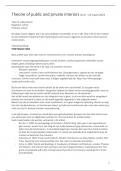
Exam 4 Study Guide GASTROINTESTINAL PHYSIOLOGY Anatomy of the GI system – NOT ON STUDY GUIDE • Digestive system – enteric nervous system (extrinsic and intrinsic) o Autonomic (involuntary) and hormonal control [except chewing, swallowing, defecation] ▪ Vagus nerve o Ingested substances trigger hormones that stimulate or inhibit ▪ Muscular contractions – GI motility; timely secretion of substances that aid in digestion o Located near the areas that they innervate and control • Mouth o Reservoir for chewing and mixing of food with saliva o Taste buds (chemoreceptors) and olfactory nerves are stimulated – initiates salivation and secretion of gastric juices in the stomach • Salivary glands o Submandibular, sublingual, parotid (largest; secretes saliva) o Saliva is composed of water with mucus, sodium, chloride, bicarbonate, potassium and salivary a-amylase (carb digestion) and is controlled by ANS ▪ Cholinergic parasympathetic fibers stimulate salivary glands • Ex: anticholinergic meds inhibit salivation ▪ Sympathetic beta-adrenergic stimulation decreases salivary secretion – none, little, or little with rich protein content ▪ A pH of 7.4 which neutralizes bacterial acids aiding to prevent injection ▪ Contains IgA – prevents orally ingested microorganisms • Esophagus o Conducts substances from oropharynx to stomach o Upper esophageal sphincter prevents entry of air into the esophagus during respiration o Lower esophageal sphincter (cardiac sphincter) prevents regurgitation from the stomach Increase tone by cholinergic vagal stimulation and the digestive hormone gastrin Decrease tone/relax by non-adrenergic, non-cholinergic vagal impulse and the hormones progesterone, secretin, and glucagon o Vagus nerve allows relaxation of esophagus during swallowing o Swallowing: complex event mediated by the swallowing center in reticular formation of brainstem Phases: oropharyngeal (voluntary) and esophageal (involuntary) Must coordinate with respiratory center • Respiration is inhibited – epiglottis slides downward to prevent food from entering larynx and trachea o Peristalsis: Primary: immediately follows oropharyngeal phase of swallowing Secondary: bolus of food becomes stuck – wave of contraction and relaxation occurs that is independent of voluntary swallowing • Stomach o Hollow muscular organ – stores food, secretes digestive juices, mixes food with juices – propels chyme into duodenum o Muscle layers – outer (longitudinal), middle (circular), inner (oblique) o Sphincters – lower esophageal (chyme enters from esophagus into stomach), pyloric (chyme exits stomach into duodenum of small intestine o Functional portions – upper (fundus), middle (body), lower (antrum) o Blood supply via branch of celiac artery; drainage via splenic vein and tributaries o Few substances absorbed in stomach – can absorb alcohol, aspirin, NSAIDS o Innervated by sympathetic and parasympathetic o Gastric motility ............................................continued...................................................
Written for
- Institution
-
University Of Cincinnati
- Course
-
NURS 8022
Document information
- Uploaded on
- July 7, 2021
- Number of pages
- 59
- Written in
- 2020/2021
- Type
- Other
- Person
- Unknown
Subjects
- exam 4 study guide
- anatomy of the gi system
-
gastrointestinal physiology
-
digestive system – enteric nervous system