

Superpower 16 markers
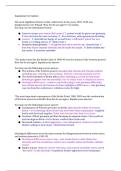
The most significant feature of the conferences in the years 1943-1945 was
disagreement over Poland.’ How far do you agree? (16 marks)
You may use the information below:
● Eastern europe-ussr wanted full control, T: poland would be given east germany,
Y: free elections but ussr red army. P: free elections, yalta agreements breaking
● tension - T: churchill not happy at second front, s still hadn’t joined the war,
bomb w/o telling anyone. P: t didnt trust s
● Decisions about germany- T: all agreed they had to end the war, Second front, Y:
then they had to separate Germany and de-nazify the people.. P: Berlin divided into
four zones, G economy controlled
‘The main reason for the Berlin Crisis of 1948-49 was the actions of the western powers’
How far do you agree. Explain your answer
You may use the following in your answer:
● The actions of the western powers-marshal plan, bizonia and trizonia without
including ussr, creating a new currency. Wanted a thriving capitalist society
● The Soviet blockade of Berlin didn't allow anything in, us had to help them+
directly go against ussr but peacefully. Due to stalins want to display his power
● Ideological differences - comm vs cap both trying to rule germany differently,
iron curtain speech and truman doctrine highlighted differences + way germany
was run from the conferences: collision course for fight
‘The most important consequence of the Berlin Crisis 1948-1949 was the continuation
of Western presence in Berlin’ How far do you agree. Explain your answers
You may use the following in your answer:
● Continuation of Western presence in Berlin-allies had the whole of western
berlin + were thriving, showed how cap was better than communism +supplied
berlin with food and supplies. Stalin was annoyed that they were there
● Creation of West germany and East Germany as separate states. Clear political
and ideological divide+ led to future conflicts like berlin wall.
● Increased tension-s looked aggressive+ was embarassed, t looked resourceful.
Neither willing to back down + NATO later formed
Ideological differences were the main reasons for disagreements between soviet union
and western powers in 1943-49
● Ideological differences-com vs cap + war wasnt there to unite them, free
elections and who would have control over satellite states and berlin, collision
course
● Stalins actions -didnt acc do free elections, took control of satellite states, harsh
“liberated”, berlin blockade. Cominform further tightened soviet dominance
The most significant feature of the conferences in the years 1943-1945 was
disagreement over Poland.’ How far do you agree? (16 marks)
You may use the information below:
● Eastern europe-ussr wanted full control, T: poland would be given east germany,
Y: free elections but ussr red army. P: free elections, yalta agreements breaking
● tension - T: churchill not happy at second front, s still hadn’t joined the war,
bomb w/o telling anyone. P: t didnt trust s
● Decisions about germany- T: all agreed they had to end the war, Second front, Y:
then they had to separate Germany and de-nazify the people.. P: Berlin divided into
four zones, G economy controlled
‘The main reason for the Berlin Crisis of 1948-49 was the actions of the western powers’
How far do you agree. Explain your answer
You may use the following in your answer:
● The actions of the western powers-marshal plan, bizonia and trizonia without
including ussr, creating a new currency. Wanted a thriving capitalist society
● The Soviet blockade of Berlin didn't allow anything in, us had to help them+
directly go against ussr but peacefully. Due to stalins want to display his power
● Ideological differences - comm vs cap both trying to rule germany differently,
iron curtain speech and truman doctrine highlighted differences + way germany
was run from the conferences: collision course for fight
‘The most important consequence of the Berlin Crisis 1948-1949 was the continuation
of Western presence in Berlin’ How far do you agree. Explain your answers
You may use the following in your answer:
● Continuation of Western presence in Berlin-allies had the whole of western
berlin + were thriving, showed how cap was better than communism +supplied
berlin with food and supplies. Stalin was annoyed that they were there
● Creation of West germany and East Germany as separate states. Clear political
and ideological divide+ led to future conflicts like berlin wall.
● Increased tension-s looked aggressive+ was embarassed, t looked resourceful.
Neither willing to back down + NATO later formed
Ideological differences were the main reasons for disagreements between soviet union
and western powers in 1943-49
● Ideological differences-com vs cap + war wasnt there to unite them, free
elections and who would have control over satellite states and berlin, collision
course
● Stalins actions -didnt acc do free elections, took control of satellite states, harsh
“liberated”, berlin blockade. Cominform further tightened soviet dominance


