

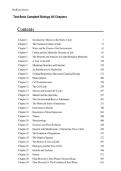
Summary Test Bank for Campbell Biology, 9th Edition by Urry, Cain, Wasserman, Minorsky & Orr (Chapters 1–56) | Latest Updated Comprehensive Biology Exam Questions
Prepare with confidence for your introductory biology, AP Biology, and pre-medical exams using this comprehensive test bank for "Campbell Biology, 9th Edition" by Jane B. Reece, Lisa A. Urry, Michael L. Cain, Steven A. Wasserman, Peter V. Minorsky, and Robert B. Jackson. Published by Benjamin Cummings/Pearson (ISBN: 0321558235), this essential academic resource is specifically designed for undergraduate biology students, pre-med students, AP Biology candidates, and life science majors who need to master the core concepts of modern biology. Campbell Biology is the unsurpassed leader in introductory biology, and this test bank is the ultimate companion for mastering the material. This test bank features hundreds to over 1,000+ exam-style questions covering all 56 chapters of the 9th edition textbook, with verified correct answers and detailed rationales that explain both correct and incorrect options. The content is updated for the 2025–2027 academic cycle and includes multiple question formats such as multiple-choice, applied problems, and detailed answer explanations that reflect the rigor of college-level biology examinations. The test bank covers the full spectrum of biology from introductory themes through advanced topics, making it ideal for quizzes, midterms, finals, AP Biology exams, and building a solid foundation in the life sciences. Available across hundreds of pages on various platforms, with Grade A+ verified content. What's Included: 1,000+ practice questions covering all major biology topics Verified correct answers with detailed rationales and distractor analysis Chapter-by-chapter organization covering all 56 chapters of the 9th edition Multiple question formats including multiple-choice, applied problems, and detailed answer explanations Comprehensive coverage of introductory and advanced biology concepts Comprehensive coverage across all major biology topics: The Chemistry of Life – The Chemical Context of Life; Water and the Fitness of the Environment; Carbon and the Molecular Diversity of Life; The Structure and Function of Large Biological Molecules The Cell – A Tour of the Cell; Membrane Structure and Function; An Introduction to Metabolism; Cellular Respiration and Fermentation; Photosynthesis; Cell Communication; The Cell Cycle Genetics – Meiosis and Sexual Life Cycles; Mendel and the Gene Idea; The Chromosomal Basis of Inheritance; The Molecular Basis of Inheritance; Gene Expression; Regulation of Gene Expression; Viruses; Biotechnology; Genomes and Their Evolution Mechanisms of Evolution – Descent with Modification; The Evolution of Populations; The Origin of Species; The History of Life on Earth The Evolutionary History of Biological Diversity – Phylogeny and the Tree of Life; Bacteria and Archaea; Protists; Plant Diversity; Fungi; Animal Diversity; An Introduction to Invertebrates; The Origin and Evolution of Vertebrates Plant Form and Function – Plant Structure, Growth, and Development; Resource Acquisition and Transport in Vascular Plants; Soil and Plant Nutrition; Angiosperm Reproduction and Biotechnology; Plant Responses to Internal and External Signals Animal Form and Function – Basic Principles of Animal Form and Function; Animal Nutrition; Circulation and Gas Exchange; The Immune System; Osmoregulation and Excretion; Hormones and the Endocrine System; Animal Reproduction; Animal Development; Neurons, Synapses, and Signaling; Nervous Systems; Sensory and Motor Mechanisms Ecology – Animal Behavior; Population Ecology; Community Ecology; Ecosystems and Restoration Ecology; Conservation Biology and Global Change Sample Questions Include (from verified test bank content): Which of the following is not a theme that unifies biology? – Questions testing understanding of the core themes of biology The study of life is called: – Answer: Biology – Biology is the scientific study of life The approach of reducing complex systems to simpler components that are more manageable to study is known as: – Answer: Reductionism – Reductionism is the approach of reducing complex systems to simpler components that are more manageable to study Key Features: Verified Answers with Detailed Rationales – Every question includes the correct answer and a comprehensive explanation, reinforcing key concepts and clarifying why incorrect options are wrong Updated for 2025–2027 – Reflects the latest biology exam content and AP Biology standards Aligned with Pearson/Benjamin Cummings – Mapped directly to the 9th edition textbook (ISBN: 0321558235) Chapter-by-Chapter Organization – Covering all 56 chapters for targeted review Multiple Question Formats – Includes multiple-choice, applied problems, and detailed answer explanations Comprehensive Coverage – From introductory themes through ecosystems and conservation biology A+ Graded Content – 100% verified solutions for exam success pdf
Document information
- Uploaded on
- August 17, 2026
- Number of pages
- 1187
- Written in
- 2026/2027
- Type
- Exam (elaborations)
- Contains
- Questions & answers


