

NSC LO ESSAY PRELIMS FINAL 2026
GRADE 12 LIFE ORIENTATION
PAST-PAPER STUDY NOTES ESSAY QUESTIONS
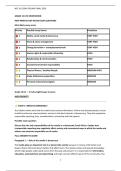
Most likely essay areas
Priority Possible essay theme Prediction
1 Media, social media & democracy VERY HIGH
2 Stress & stress management VERY HIGH
3 Change/transition + unemployment/work VERY HIGH
4 Human rights & responsible citizenship HIGH
5 Relationships & communication HIGH
6 Social/environmental responsibility HIGH
7 Physical fitness / healthy lifestyle MEDIUM-HIGH
8 Study skills/exam preparation MEDIUM
9 Personal mission/vision/goals MEDIUM
Grade 12 LO — 3 Full-Length Essays to Learn
HIGH PRIORITY
ESSAY 1: MEDIA & DEMOCRACY
Your Optimi notes state that the media must convey information, inform and educate people, ensure
truthful and honest communication, and act in the best interests of democracy. They also emphasise
responsible reporting, bias, sensationalism, censorship and hate speech.
Possible exam question
Discuss the role and responsibilities of the media in a democratic South Africa. Explain how
irresponsible reporting may negatively affect society and recommend ways in which the media and
citizens can promote responsible use of media.
FULL ANSWER TO LEARN
Paragraph 1 — Role of the media in democracy
The media plays an important role in a democratic society because it conveys information and
keeps citizens informed about matters that affect them. The media creates and spreads knowledge,
which helps people understand events from the past and present. It is responsible for information,
education, entertainment and advertising and helps connect different parts of the community. The
1
, NSC LO ESSAY PRELIMS FINAL 2026
media can influence people's knowledge, behaviour, attitudes, emotions and even political views,
and therefore has a responsibility to communicate information truthfully and honestly. It should
always act in the best interests of democracy and allow citizens to make informed decisions.
Paragraph 2 — Social responsibility of the media
The media has a social responsibility not to mislead the public. Journalists should behave
professionally by pursuing the truth and reporting information accurately and responsibly. Media
reports should keep to the facts and avoid bias, while considering the interests and needs of all
citizens. The media must also respect the rights and reputation of other people because inaccurate
reporting can damage an individual's reputation. When incorrect information is published, the media
should publish a correction. Responsible media therefore contributes to democracy by giving citizens
reliable information on which they can base their opinions and decisions.
Paragraph 3 — Irresponsible media, sensationalism and bias
The media does not always behave responsibly. Some media organisations may focus on sensational
news to attract attention, rather than reporting only the important facts. Advertising companies may
also place pressure on media organisations to present certain information, which may contribute to
biased reporting. Sensational or inaccurate reporting may mislead people, damage reputations and
create unnecessary conflict or uproar. Because media has the power to influence people's attitudes
and behaviour, irresponsible reporting can therefore have harmful consequences for individuals and
society.
Paragraph 4 — Freedom of speech and hate speech
Freedom of expression is an important democratic right, but it is not unlimited. The Optimi notes
explain that freedom of expression does not extend to propaganda for war, incitement of imminent
violence, or advocacy of hatred based on race, ethnicity, gender or religion that constitutes
incitement to cause harm. Hate speech can encourage hatred, intolerance, violence or prejudicial
actions against individuals or groups. People should therefore respect South Africa's cultural
differences and use their freedom of expression responsibly while respecting the rights of other
citizens.
Paragraph 5 — Responsible media use
Both the media and citizens have a responsibility to use information responsibly. Media organisations
should verify facts, avoid misleading the public, report accurately, avoid unnecessary
sensationalism and respect the rights of others. Citizens should also think critically about
information instead of automatically accepting or spreading everything they see or read. Responsible
communication helps prevent harmful or misleading information from influencing society and allows
the media to fulfil its democratic role effectively.
Memory line
MEDIA = INFORM → EDUCATE → FACTS → UNBIASED → RESPECT RIGHTS → DEMOCRACY
ESSAY 2: STRESS & STRESS MANAGEMENT
Possible exam question
2
GRADE 12 LIFE ORIENTATION
PAST-PAPER STUDY NOTES ESSAY QUESTIONS
Most likely essay areas
Priority Possible essay theme Prediction
1 Media, social media & democracy VERY HIGH
2 Stress & stress management VERY HIGH
3 Change/transition + unemployment/work VERY HIGH
4 Human rights & responsible citizenship HIGH
5 Relationships & communication HIGH
6 Social/environmental responsibility HIGH
7 Physical fitness / healthy lifestyle MEDIUM-HIGH
8 Study skills/exam preparation MEDIUM
9 Personal mission/vision/goals MEDIUM
Grade 12 LO — 3 Full-Length Essays to Learn
HIGH PRIORITY
ESSAY 1: MEDIA & DEMOCRACY
Your Optimi notes state that the media must convey information, inform and educate people, ensure
truthful and honest communication, and act in the best interests of democracy. They also emphasise
responsible reporting, bias, sensationalism, censorship and hate speech.
Possible exam question
Discuss the role and responsibilities of the media in a democratic South Africa. Explain how
irresponsible reporting may negatively affect society and recommend ways in which the media and
citizens can promote responsible use of media.
FULL ANSWER TO LEARN
Paragraph 1 — Role of the media in democracy
The media plays an important role in a democratic society because it conveys information and
keeps citizens informed about matters that affect them. The media creates and spreads knowledge,
which helps people understand events from the past and present. It is responsible for information,
education, entertainment and advertising and helps connect different parts of the community. The
1
, NSC LO ESSAY PRELIMS FINAL 2026
media can influence people's knowledge, behaviour, attitudes, emotions and even political views,
and therefore has a responsibility to communicate information truthfully and honestly. It should
always act in the best interests of democracy and allow citizens to make informed decisions.
Paragraph 2 — Social responsibility of the media
The media has a social responsibility not to mislead the public. Journalists should behave
professionally by pursuing the truth and reporting information accurately and responsibly. Media
reports should keep to the facts and avoid bias, while considering the interests and needs of all
citizens. The media must also respect the rights and reputation of other people because inaccurate
reporting can damage an individual's reputation. When incorrect information is published, the media
should publish a correction. Responsible media therefore contributes to democracy by giving citizens
reliable information on which they can base their opinions and decisions.
Paragraph 3 — Irresponsible media, sensationalism and bias
The media does not always behave responsibly. Some media organisations may focus on sensational
news to attract attention, rather than reporting only the important facts. Advertising companies may
also place pressure on media organisations to present certain information, which may contribute to
biased reporting. Sensational or inaccurate reporting may mislead people, damage reputations and
create unnecessary conflict or uproar. Because media has the power to influence people's attitudes
and behaviour, irresponsible reporting can therefore have harmful consequences for individuals and
society.
Paragraph 4 — Freedom of speech and hate speech
Freedom of expression is an important democratic right, but it is not unlimited. The Optimi notes
explain that freedom of expression does not extend to propaganda for war, incitement of imminent
violence, or advocacy of hatred based on race, ethnicity, gender or religion that constitutes
incitement to cause harm. Hate speech can encourage hatred, intolerance, violence or prejudicial
actions against individuals or groups. People should therefore respect South Africa's cultural
differences and use their freedom of expression responsibly while respecting the rights of other
citizens.
Paragraph 5 — Responsible media use
Both the media and citizens have a responsibility to use information responsibly. Media organisations
should verify facts, avoid misleading the public, report accurately, avoid unnecessary
sensationalism and respect the rights of others. Citizens should also think critically about
information instead of automatically accepting or spreading everything they see or read. Responsible
communication helps prevent harmful or misleading information from influencing society and allows
the media to fulfil its democratic role effectively.
Memory line
MEDIA = INFORM → EDUCATE → FACTS → UNBIASED → RESPECT RIGHTS → DEMOCRACY
ESSAY 2: STRESS & STRESS MANAGEMENT
Possible exam question
2


