
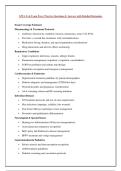
Exam Coverage Summary
Pharmacology & Treatment Protocols
Antibiotic selection by condition (sinusitis, pneumonia, strep, UTI, STIs)
First-line vs second-line treatments with contraindications
Medication dosing, duration, and special population considerations
Drug interactions and adverse effects monitoring
Respiratory Conditions
Upper respiratory infections, sinusitis, allergic rhinitis
Pneumonia management (outpatient vs inpatient, comorbidities)
COPD exacerbation and asthma step therapy
Epiglottitis recognition and emergency management
Cardiovascular & Endocrine
Hypertension treatment guidelines by patient demographics
Diabetes diagnosis and management (T2DM first-line)
Thyroid disorders and pregnancy considerations
AAA screening criteria and BP screening initiation
Infectious Diseases
STI treatment protocols and test-of-cure requirements
Skin infections (impetigo, cellulitis, bite wounds)
Tick-borne illnesses and herpes zoster management
Prostatitis and epididymitis differentiation
Neurological & Special Senses
Hearing loss differentiation (Weber test interpretation)
Acute glaucoma emergency recognition
Bell's palsy and Parkinson's disease management
BPPV treatment and vertigo management
Gastrointestinal & Pediatrics
Pyloric stenosis and intussusception recognition
AOM treatment guidelines
Pediatric screening and vaccination protocols
, BV and yeast infection treatment in special populations
Emergency & Urgent Conditions
Testicular torsion vs epididymitis differentiation
Epiglottitis emergency management
Acute angle-closure glaucoma recognition
Osteoporosis treatment and administration guidelines
SET 1
Questions 1-50
1. A 45-year-old male presents with facial pain, purulent nasal discharge, and headache
for 5 days. He has no known drug allergies. What is the most appropriate initial
treatment?
A) Doxycycline 100 mg BID
B) Amoxicillin 500 mg TID
C) Amoxicillin-clavulanate 875 mg BID
D) Azithromycin 500 mg daily
Answer: C Amoxicillin-clavulanate is first-line for bacterial sinusitis due to its coverage of
common pathogens including penicillin-resistant Streptococcus pneumoniae and
Haemophilus influenzae, with a recommended duration of 5-7 days for uncomplicated cases.
2. A patient with confirmed penicillin allergy presents with acute bacterial sinusitis.
Which antibiotic would be most appropriate?
A) Amoxicillin-clavulanate
B) Penicillin VK
C) Doxycycline
D) Cephalexin
Answer: C Doxycycline is recommended for penicillin-allergic patients with sinusitis when a
third-generation cephalosporin is not available, providing adequate coverage for respiratory
pathogens while avoiding cross-reactivity concerns.
3. A 34-year-old with seasonal allergies reports persistent nasal congestion and sneezing
despite using oral antihistamines. What is the most appropriate next step in treatment?
A) Increase antihistamine dose
,B) Add intranasal glucocorticoid
C) Start oral decongestants
D) Refer for immunotherapy
Answer: B Intranasal glucocorticoids like fluticasone are first-line treatment for allergic
rhinitis, demonstrating superior efficacy over antihistamines alone in controlling nasal
symptoms including congestion, sneezing, and rhinorrhea.
4. Which of the following is a contraindication to prescribing oral decongestants?
A) Diabetes mellitus
B) Hypertension
C) Asthma
D) GERD
Answer: B Decongestants are contraindicated in patients with hypertension due to their
sympathomimetic effects that can elevate blood pressure, and they should also be avoided in
patients taking MAO inhibitors due to risk of hypertensive crisis.
5. A 28-year-old presents with sore throat, fever, and tender anterior cervical
lymphadenopathy without cough. Rapid strep test is positive. What is first-line
treatment?
A) Azithromycin 500 mg daily x5 days
B) Penicillin VK 250 mg QID x10 days
C) Cephalexin 500 mg BID x7 days
D) Clindamycin 300 mg TID x10 days
Answer: B Penicillin remains first-line for streptococcal pharyngitis with a 10-day course to
ensure eradication and prevent rheumatic fever, while amoxicillin is an acceptable
alternative given similar efficacy and better taste.
6. A patient with strep throat reports penicillin allergy. What second-line antibiotic
would be most appropriate?
A) Doxycycline
B) Cephalosporin
C) Azithromycin
D) Vancomycin
Answer: B Cephalosporins serve as appropriate second-line agents for penicillin-allergic
, patients with strep throat, though caution is needed in patients with immediate-type
hypersensitivity to penicillins due to potential cross-reactivity.
7. A patient with documented macrolide-resistant strep throat requires treatment.
Which antibiotic should be prescribed?
A) Azithromycin
B) Clarithromycin
C) Clindamycin
D) Erythromycin
Answer: C Clindamycin is recommended for macrolide-resistant Streptococcus pyogenes
infections, with a 10-day course providing effective eradication through its distinct
mechanism of action against the bacterial ribosome.
8. A child presents with high fever, drooling, tripod positioning, and muffled voice.
What is the most appropriate next step?
A) Prescribe oral antibiotics and discharge
B) Obtain throat culture
C) Immediate emergency department referral
D) Prescribe corticosteroids
Answer: C These signs including hot potato voice and tripod positioning suggest epiglottitis,
a life-threatening emergency requiring immediate ED evaluation for airway management and
IV antibiotics, with thumb sign on lateral neck radiograph being diagnostic.
9. A patient with conductive hearing loss undergoes Weber testing. Where will sound
lateralize?
A) To the unaffected ear
B) To the affected ear
C) Midline
D) Cannot be determined
Answer: B In conductive hearing loss, sound lateralizes to the affected ear during Weber
testing because bone conduction is perceived as louder in the ear with mechanical
obstruction, while sensorineural loss lateralizes to the unaffected ear.
10. A 55-year-old presents with sudden onset eye pain, halos around lights, headache,
and nausea. What is the most likely diagnosis and appropriate action?
A) Conjunctivitis; prescribe antibiotic drops
Pharmacology & Treatment Protocols
Antibiotic selection by condition (sinusitis, pneumonia, strep, UTI, STIs)
First-line vs second-line treatments with contraindications
Medication dosing, duration, and special population considerations
Drug interactions and adverse effects monitoring
Respiratory Conditions
Upper respiratory infections, sinusitis, allergic rhinitis
Pneumonia management (outpatient vs inpatient, comorbidities)
COPD exacerbation and asthma step therapy
Epiglottitis recognition and emergency management
Cardiovascular & Endocrine
Hypertension treatment guidelines by patient demographics
Diabetes diagnosis and management (T2DM first-line)
Thyroid disorders and pregnancy considerations
AAA screening criteria and BP screening initiation
Infectious Diseases
STI treatment protocols and test-of-cure requirements
Skin infections (impetigo, cellulitis, bite wounds)
Tick-borne illnesses and herpes zoster management
Prostatitis and epididymitis differentiation
Neurological & Special Senses
Hearing loss differentiation (Weber test interpretation)
Acute glaucoma emergency recognition
Bell's palsy and Parkinson's disease management
BPPV treatment and vertigo management
Gastrointestinal & Pediatrics
Pyloric stenosis and intussusception recognition
AOM treatment guidelines
Pediatric screening and vaccination protocols
, BV and yeast infection treatment in special populations
Emergency & Urgent Conditions
Testicular torsion vs epididymitis differentiation
Epiglottitis emergency management
Acute angle-closure glaucoma recognition
Osteoporosis treatment and administration guidelines
SET 1
Questions 1-50
1. A 45-year-old male presents with facial pain, purulent nasal discharge, and headache
for 5 days. He has no known drug allergies. What is the most appropriate initial
treatment?
A) Doxycycline 100 mg BID
B) Amoxicillin 500 mg TID
C) Amoxicillin-clavulanate 875 mg BID
D) Azithromycin 500 mg daily
Answer: C Amoxicillin-clavulanate is first-line for bacterial sinusitis due to its coverage of
common pathogens including penicillin-resistant Streptococcus pneumoniae and
Haemophilus influenzae, with a recommended duration of 5-7 days for uncomplicated cases.
2. A patient with confirmed penicillin allergy presents with acute bacterial sinusitis.
Which antibiotic would be most appropriate?
A) Amoxicillin-clavulanate
B) Penicillin VK
C) Doxycycline
D) Cephalexin
Answer: C Doxycycline is recommended for penicillin-allergic patients with sinusitis when a
third-generation cephalosporin is not available, providing adequate coverage for respiratory
pathogens while avoiding cross-reactivity concerns.
3. A 34-year-old with seasonal allergies reports persistent nasal congestion and sneezing
despite using oral antihistamines. What is the most appropriate next step in treatment?
A) Increase antihistamine dose
,B) Add intranasal glucocorticoid
C) Start oral decongestants
D) Refer for immunotherapy
Answer: B Intranasal glucocorticoids like fluticasone are first-line treatment for allergic
rhinitis, demonstrating superior efficacy over antihistamines alone in controlling nasal
symptoms including congestion, sneezing, and rhinorrhea.
4. Which of the following is a contraindication to prescribing oral decongestants?
A) Diabetes mellitus
B) Hypertension
C) Asthma
D) GERD
Answer: B Decongestants are contraindicated in patients with hypertension due to their
sympathomimetic effects that can elevate blood pressure, and they should also be avoided in
patients taking MAO inhibitors due to risk of hypertensive crisis.
5. A 28-year-old presents with sore throat, fever, and tender anterior cervical
lymphadenopathy without cough. Rapid strep test is positive. What is first-line
treatment?
A) Azithromycin 500 mg daily x5 days
B) Penicillin VK 250 mg QID x10 days
C) Cephalexin 500 mg BID x7 days
D) Clindamycin 300 mg TID x10 days
Answer: B Penicillin remains first-line for streptococcal pharyngitis with a 10-day course to
ensure eradication and prevent rheumatic fever, while amoxicillin is an acceptable
alternative given similar efficacy and better taste.
6. A patient with strep throat reports penicillin allergy. What second-line antibiotic
would be most appropriate?
A) Doxycycline
B) Cephalosporin
C) Azithromycin
D) Vancomycin
Answer: B Cephalosporins serve as appropriate second-line agents for penicillin-allergic
, patients with strep throat, though caution is needed in patients with immediate-type
hypersensitivity to penicillins due to potential cross-reactivity.
7. A patient with documented macrolide-resistant strep throat requires treatment.
Which antibiotic should be prescribed?
A) Azithromycin
B) Clarithromycin
C) Clindamycin
D) Erythromycin
Answer: C Clindamycin is recommended for macrolide-resistant Streptococcus pyogenes
infections, with a 10-day course providing effective eradication through its distinct
mechanism of action against the bacterial ribosome.
8. A child presents with high fever, drooling, tripod positioning, and muffled voice.
What is the most appropriate next step?
A) Prescribe oral antibiotics and discharge
B) Obtain throat culture
C) Immediate emergency department referral
D) Prescribe corticosteroids
Answer: C These signs including hot potato voice and tripod positioning suggest epiglottitis,
a life-threatening emergency requiring immediate ED evaluation for airway management and
IV antibiotics, with thumb sign on lateral neck radiograph being diagnostic.
9. A patient with conductive hearing loss undergoes Weber testing. Where will sound
lateralize?
A) To the unaffected ear
B) To the affected ear
C) Midline
D) Cannot be determined
Answer: B In conductive hearing loss, sound lateralizes to the affected ear during Weber
testing because bone conduction is perceived as louder in the ear with mechanical
obstruction, while sensorineural loss lateralizes to the unaffected ear.
10. A 55-year-old presents with sudden onset eye pain, halos around lights, headache,
and nausea. What is the most likely diagnosis and appropriate action?
A) Conjunctivitis; prescribe antibiotic drops


