

Data Communication and Networks
Introduction to Data Communication
Data communication is the process of transferring data from one device to another through a
communication medium. It is the foundation of modern digital communication systems.
Whenever a user sends a message, accesses a website, or watches an online video, data
communication enables this exchange of information. The purpose of data communication is
to deliver accurate data to the correct destination in an efficient and reliable manner.
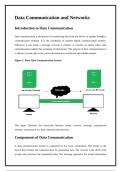
Figure 1: Basic Data Communication System
This figure illustrates the interaction between sender, receiver, message, transmission
medium, and protocol in a data communication process.
Components of Data Communication
A data communication system is composed of five basic components. The sender is the
device that initiates the communication by generating data. The receiver is the device that
accepts and processes the transmitted data. The message represents the actual information
, being communicated, which may include text, images, audio, or video. The transmission
medium provides the physical or wireless path for data transfer. Protocols define the rules
and standards that ensure proper communication between devices.
Concept of Computer Networks
A computer network is a collection of interconnected devices that communicate to share data
and resources. These devices include computers, servers, printers, and mobile devices.
Networks allow users to access shared information, communicate efficiently, and utilize
common resources. Computer networks are essential in homes, offices, educational
institutions, and industries.
Figure 3: Computer Network Structure
This figure represents multiple devices connected together to form a computer network.
Advantages of Computer Networks
Introduction to Data Communication
Data communication is the process of transferring data from one device to another through a
communication medium. It is the foundation of modern digital communication systems.
Whenever a user sends a message, accesses a website, or watches an online video, data
communication enables this exchange of information. The purpose of data communication is
to deliver accurate data to the correct destination in an efficient and reliable manner.
Figure 1: Basic Data Communication System
This figure illustrates the interaction between sender, receiver, message, transmission
medium, and protocol in a data communication process.
Components of Data Communication
A data communication system is composed of five basic components. The sender is the
device that initiates the communication by generating data. The receiver is the device that
accepts and processes the transmitted data. The message represents the actual information
, being communicated, which may include text, images, audio, or video. The transmission
medium provides the physical or wireless path for data transfer. Protocols define the rules
and standards that ensure proper communication between devices.
Concept of Computer Networks
A computer network is a collection of interconnected devices that communicate to share data
and resources. These devices include computers, servers, printers, and mobile devices.
Networks allow users to access shared information, communicate efficiently, and utilize
common resources. Computer networks are essential in homes, offices, educational
institutions, and industries.
Figure 3: Computer Network Structure
This figure represents multiple devices connected together to form a computer network.
Advantages of Computer Networks


