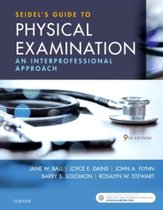
TEST BANK FOR SEIDEL’S GUIDE TO PHYSICAL
EXAMINATION 9TH EDITION BY JANE W. BALL ALL
CHAPTERS INCLUDED|| LATEST AND COMPLETE
UPDATE 2025 GRADED A+
,1|Page
TEST BANK FOR SEIDEL’S GUIDE TO PHYSICAL
EXAMINATION 9TH EDITION BY JANE W. BALL ALL
CHAPTERS INCLUDED|| LATEST AND COMPLETE
UPDATE 2025 GRADED A+
Chapter 01: The History and Interviewing Process
MULTIPLE CHOICE
1. Which question would be considered a ―leading question?
a. ―Please describe any associated symptoms with your headaches?
b. ―You don't get headaches often, do you?
c. ―What activities affect the severity of your headaches?
d. ―What times of the day are your headaches the most severe?
e. ―What worries you most about your headache?
ANSWER- B
This question would limit the information in the patient's answer. The other choices allow the
patient more discretion about the extent of an answer.
TOP: Discipline: Behavioral Science MSC: Organ System: General
2. Which action would best promote accurate translations as well as confidentiality when
the caregiver does not speak the patient's language?
a. Ask a person unfamiliar with the patient to translate.
b. Have a friend of the patient translate.
c. Ask simple leading questions that the patient may understand.
d. Use a neighbor as translator.
e. Involve the family with the translation.
ANSWER- A NURSINGTB.COM
When you do not speak the patient's language, family members or friends may pose a
,2|Page
communication barrier and may have issues of confidentiality; a stranger as an interpreter is less
biased.
TOP: Discipline: Behavioral Science MSC: Organ System: General
3. Periods of silence during the interview can serve important purposes, such as:
a. allowing the clinician to catch up on documentation.
b. giving you a clue that you should speed up the interview.
c. providing time for reflection.
d. increasing the length of the visit.
e. promoting a calm environment.
ANSWER- C
Silence is a useful tool during interviews for the purposes of reflection, summoning of courage,
and displaying compassion. It is usually a clue for you to go slower and not to push too hard.
TOP: Discipline: Behavioral Science MSC: Organ System: General
4. Which technique is most likely to result in the patient's understanding of questions?
a. Use phrases that are commonly used by other patients in the area.
b. Use the patient's own terms if possible.
c. Use language that keeps the patient from being expansive in his or her answer.
d. Use proper medical and technical terminology.
e. Use the simplest language possible.
ANSWER- B
To ensure that your questions have been correctly understood, be clear, and explicit while using
the patient's idiom and level of understanding.
TOP: Discipline: Behavioral Science MSC: Organ System: General
, 3|Page
5. A patient becomes restless during the history and says, ―I don't have time for all of this
conversation. I've got to get back to work.‖ Your most appropriate response would be to:
a. stop using open-ended questions and become more direct.
b. ask another open-ended question and insist on an answer.
c. ask questions about his anger and move closer to him.
d. acknowledge his anger and proceed with the history and examination.
e. ignore his displeasure and become more assertive about getting answers.
ANSWER- D
This is the only answer that resists the tendency for patient manipulation, pursues the
information, and confronts the patient's anger.
TOP: Discipline: Behavioral Science MSC: Organ System: General
6. When questioning a patient regarding alcohol intake, she tells you that she is ―only a
social drinker.‖ Which initial response is appropriate?
a. ―I'm glad that you are a responsible drinker.‖
b. ―Many people who are reNallyRalcIohoGlic sBay.tCheyMare social drinkers.‖
c. ―What amount and what kind of alcohol do you drink in a week?‖
d. ―If you only drink socially, you won't need to worry about always having a designated
driver.‖
e. ―Do the other people in your household consume alcohol?‖
ANSWER- C
This answer clarifies the patient's own term without asking a leading question or being
judgmental.
TOP: Discipline: Behavioral Science MSC: Organ System: General
7. A 50-year-old man comes to the primary care clinic. He tells you he is worried because
he has had severe chest pains for the past 2 weeks. Which initial history interview question is
most appropriate?
EXAMINATION 9TH EDITION BY JANE W. BALL ALL
CHAPTERS INCLUDED|| LATEST AND COMPLETE
UPDATE 2025 GRADED A+
,1|Page
TEST BANK FOR SEIDEL’S GUIDE TO PHYSICAL
EXAMINATION 9TH EDITION BY JANE W. BALL ALL
CHAPTERS INCLUDED|| LATEST AND COMPLETE
UPDATE 2025 GRADED A+
Chapter 01: The History and Interviewing Process
MULTIPLE CHOICE
1. Which question would be considered a ―leading question?
a. ―Please describe any associated symptoms with your headaches?
b. ―You don't get headaches often, do you?
c. ―What activities affect the severity of your headaches?
d. ―What times of the day are your headaches the most severe?
e. ―What worries you most about your headache?
ANSWER- B
This question would limit the information in the patient's answer. The other choices allow the
patient more discretion about the extent of an answer.
TOP: Discipline: Behavioral Science MSC: Organ System: General
2. Which action would best promote accurate translations as well as confidentiality when
the caregiver does not speak the patient's language?
a. Ask a person unfamiliar with the patient to translate.
b. Have a friend of the patient translate.
c. Ask simple leading questions that the patient may understand.
d. Use a neighbor as translator.
e. Involve the family with the translation.
ANSWER- A NURSINGTB.COM
When you do not speak the patient's language, family members or friends may pose a
,2|Page
communication barrier and may have issues of confidentiality; a stranger as an interpreter is less
biased.
TOP: Discipline: Behavioral Science MSC: Organ System: General
3. Periods of silence during the interview can serve important purposes, such as:
a. allowing the clinician to catch up on documentation.
b. giving you a clue that you should speed up the interview.
c. providing time for reflection.
d. increasing the length of the visit.
e. promoting a calm environment.
ANSWER- C
Silence is a useful tool during interviews for the purposes of reflection, summoning of courage,
and displaying compassion. It is usually a clue for you to go slower and not to push too hard.
TOP: Discipline: Behavioral Science MSC: Organ System: General
4. Which technique is most likely to result in the patient's understanding of questions?
a. Use phrases that are commonly used by other patients in the area.
b. Use the patient's own terms if possible.
c. Use language that keeps the patient from being expansive in his or her answer.
d. Use proper medical and technical terminology.
e. Use the simplest language possible.
ANSWER- B
To ensure that your questions have been correctly understood, be clear, and explicit while using
the patient's idiom and level of understanding.
TOP: Discipline: Behavioral Science MSC: Organ System: General
, 3|Page
5. A patient becomes restless during the history and says, ―I don't have time for all of this
conversation. I've got to get back to work.‖ Your most appropriate response would be to:
a. stop using open-ended questions and become more direct.
b. ask another open-ended question and insist on an answer.
c. ask questions about his anger and move closer to him.
d. acknowledge his anger and proceed with the history and examination.
e. ignore his displeasure and become more assertive about getting answers.
ANSWER- D
This is the only answer that resists the tendency for patient manipulation, pursues the
information, and confronts the patient's anger.
TOP: Discipline: Behavioral Science MSC: Organ System: General
6. When questioning a patient regarding alcohol intake, she tells you that she is ―only a
social drinker.‖ Which initial response is appropriate?
a. ―I'm glad that you are a responsible drinker.‖
b. ―Many people who are reNallyRalcIohoGlic sBay.tCheyMare social drinkers.‖
c. ―What amount and what kind of alcohol do you drink in a week?‖
d. ―If you only drink socially, you won't need to worry about always having a designated
driver.‖
e. ―Do the other people in your household consume alcohol?‖
ANSWER- C
This answer clarifies the patient's own term without asking a leading question or being
judgmental.
TOP: Discipline: Behavioral Science MSC: Organ System: General
7. A 50-year-old man comes to the primary care clinic. He tells you he is worried because
he has had severe chest pains for the past 2 weeks. Which initial history interview question is
most appropriate?