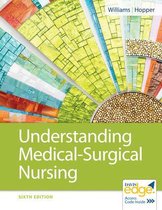
Tes BankforUnderstandingMedical-
J Y Y Y Y Y
SurgicalNursing thEditionLindaS.
Y Y Y Y Y Y Y
Williams Paula D. Hopper
Y Y Y
,TABLE OF CONTENTS
Y Y
Uni 1 Understanding Health Care Issues
J Y Y Y Y Y
1. Critical Thinking andthe Nursing Process
Y Y Y Y
2. Evidence-Based Practice Y
3. Issues in NursingPractice
Y Y Y
4. Cultural Influences on NursingCare
Y Y Y Y
5. Complementary and AlternativeModalities Y Y Y
Uni 2 Understanding Health and Illness
J Y Y Y Y Y
6. NursingCare ofPatients with Fluid, Electrolyte, and Acid-Base Imbalances
Y Y Y Y Y Y Y Y Y
7. NursingCare ofPatients Receiving Intravenous Therapy
Y Y Y Y Y Y
8. Nursing Care of Patients withInfections
Y Y Y Y
9. Nursing Care of Patients inShock
Y Y Y Y
10. Nursing Care of Patients inPain Y Y Y Y
11. Nursing Care of Patients WithCancer Y Y Y Y
12. Nursing Care of Patients HavingSurgery Y Y Y Y
13. Nursing Care of Patients with EmergentAConditions and Disaster/Bioterrorism Response
Y Y Y Y Y Y Y Y
Uni 3 Understanding Life Span Influences on Health and Illness
J Y Y Y Y Y Y Y Y Y
14. DevelopmentalConsiderations and Chronic Illness in the NursingCare of Adults Y Y Y Y Y Y Y Y Y Y
15. Nursing Care of Older AdultPatients Y Y Y Y
16. Patien Care Settings J Y Y
17. Nursing Care of Patients a the End of Life Y Y Y Y J Y Y Y Y
Uni 4 Understanding the Immune System
J Y Y Y Y Y
18. Immune System Function, AssessmentAand Therapeutic Measures
Y Y Y Y Y
19. Nursing Care of Patients With Immune Disorders Y Y Y Y Y Y
20. Nursing Care of Patients With HIV Disease and AIDS
Y Y Y Y Y Y Y Y
Uni 5 Understanding the Cardiovascular System
J Y Y Y Y Y
21. Cardiovascular System Function, Assessmen andATherapeutic Measures Y Y Y J Y Y
22. Nursing Care of Patients WithHypertension Y Y Y Y
23. NursingCare ofPatients With Valvular, Inflammatory and Infectious Cardiac orVenousDisorders
Y Y Y Y Y Y Y Y Y Y Y Y
24. Nursing Care ofPatients With Occlusive Cardiovascular Disorders
Y Y Y Y Y Y Y
25. Nursing Care of Patients With Cardiac Arrhythmias
Y Y Y Y Y Y
26. Nursing Care of Patients With Hear Failure Y Y Y Y Y J Y
Uni 6 Understanding the Hematologic and Lymphatic Systems
J Y Y Y Y Y Y Y
27. Hematologic and Lymphatic System Function, Assessment, and Therapeutic Measures
Y Y Y Y Y Y Y Y
28. NursingCare ofPatients With Hematologic and Lymphatic Disorders
Y Y Y Y Y Y Y Y
Uni 7 Understanding the Respiratory System
J Y Y Y Y Y
29. RespiratorySystemFunction,Assessment,and TherapeuticMeasures
Y Y Y Y Y Y
30. Nursing Care of Patients With UpperARespiratory Trac Disorders
Y Y Y Y Y Y J Y
31. Nursing Care of Patients With Lower Respiratory Trac Disorders
Y Y Y Y Y Y Y J Y
,Uni 8 Understanding the Gastrointestinal, Hepatic, and Pancreatic Systems
J Y Y Y Y Y Y Y Y
32. Gastrointestinal, Hepatobiliary, and Pancreatic Systems Function, Assessmen and Therapeutic Measures
Y Y Y Y Y Y J Y Y Y
33. Nursing Care of Patients With Upper Gastrointestinal Disorders
Y Y Y Y Y Y Y
34. Nursing Care of Patients With Lower Gastrointestinal Disorders
Y Y Y Y Y Y Y
35. NursingCare ofPatients With Liver, Pancreatic, and Gallbladder Disorders
Y Y Y Y Y Y Y Y Y
Uni 9 Understanding the Urinary System
J Y Y Y Y Y
36. UrinarySystemFunction, Assessment, and Therapeutic Measures
Y Y Y Y Y Y
37. Nursing Care of Patients With Disorders of the Urinary System
Y Y Y Y Y Y Y Y Y
Uni 10 Understanding the Endocrine System
J Y Y Y Y Y
38. Endocrine System Function andAssessment
Y Y Y
39. Nursing Care of Patients With Endocrine Disorders
Y Y Y Y Y Y
40. Nursing Care of Patients With Disorders of the Endocrine Pancreas
Y Y Y Y Y Y Y Y Y
Uni 11 Understanding the Genitourinary and Reproductive System
J Y Y Y Y Y Y Y
41. Genitourinaryand Reproductive SystemFunction andAssessment
Y Y Y Y Y Y
42. Nursing Care of Women With Reproductive System Disorders
Y Y Y Y Y Y Y
43. Nursing Care of Male Patients With Genitourinary Disorders
Y Y Y Y Y Y Y
44. Nursing Care of Patients With Sexually Transmitted Infections
Y Y Y Y Y Y Y
Uni 12 Understanding the Musculoskeletal System
J Y Y Y Y Y
45. Musculoskeletal Function andAssessment Y Y Y
46. NursingCare of Patients With MusculoskeletalandConnective Tissue Disorders
Y Y Y Y Y Y Y Y Y
Uni 13 Understanding the Neurologic System
J Y Y Y Y Y
47. NeurologicSystemFunction, Assessment, andTherapeutic Measures
Y Y Y Y Y Y
48. Nursing Care of Patients With Central Nervous SystemDisorders
Y Y Y Y Y Y Y Y
49. Nursing Care of Patients With Cerebrovascular Disorders
Y Y Y Y Y Y
50. NursingCare of Patients With Peripheral Nervous System Disorders
Y Y Y Y Y Y Y Y
Uni 14 Understanding the Sensory System
J Y Y Y Y Y
51. SensorySystemFunction,Assessment,andTherapeuticMeasures:VisionandHearing
Y Y Y Y Y Y Y Y Y
52. Nursing Care of Patients With SensoryDisorders: Vision and Hearing
Y Y Y Y Y Y Y Y Y
Uni 15 Understanding the Integumentary System
J Y Y Y Y Y
53. Integumentary System Function, Assessmen and Therapeutic Measures
Y Y Y J
Y Y Y
54. Nursing Care of Patients With Skin Disorders
Y Y Y Y Y Y
55. Nursing Care of Patients WithBurns
Y Y Y Y
Uni 16 Understanding Mental Health Care
J Y Y Y Y Y
56. MentalHealth Function, Assessment, and Therapeutic Measures
Y Y Y Y Y Y
57. Nursing Care of Patients With Mental Health Disorders
Y Y Y Y Y Y Y
, Chapter1.CriticalThinking andtheNursing Process
Y Y Y Y Y Y Y
MULTIPLE CHOICE Y
1. The nurse is caring for a group of patients on a medical-
Y J Y J Y J Y J Y J Y J Y J Y J Y J Y J Y
surgical unit. Which patient should the licensed practical nurse/licensed vocational nurse
J Y J Y J Y J Y J Y J Y J Y J Y J Y J Y J Y
(LPN/LVN) assess first? J Y J Y
1. A patient with a blood glucose of 42 mg/dL
J Y J Y J Y J Y J Y J Y J Y J Y
2. A patient who reports a pain level of 2
J Y J Y J Y J Y J Y J Y J Y J Y
3. A patient who has just received a diagnosis of cancer
J Y J Y J Y J Y J Y J Y J Y J Y J Y
4. A patient who has a respiratory rate of 22
J Y J Y J Y J Y J Y J Y J Y J Y
ANS: 1 J Y
Chapter: Chapter 1 Critical Thinking and the Nursing Process J Y J Y J Y J Y J Y J Y J Y J Y
Objective: 7. Prioritize patient care activities based on the Maslow hierarchy of huma n J Y J Y J Y J Y J Y J Y J Y J Y J Y J Y J Y J Y J Y J Y
needs.
Pages: 6–7 J Y
Heading: Prioritize Care J Y J Y
Integrated Process: Clinical Problem- J Y J Y J Y
Solving Process (Nursing Process) Client Need: SECE—Coordinated Care
J Y J Y J Y J Y J Y J Y J Y J Y
Cognitive Level: Application [Applying] J Y J Y J Y
Concept: Patient- J Y
Centered Care Difficulty: Difficult J Y J Y J Y
Feedback
1 This patient has a dangerously low blood glucose level and requires immediate i
J Y J Y J Y J Y J Y J Y J Y J Y J Y J Y J Y J Y J Y
ntervention.
2 This patient will need to be assessed, but is not as high a priority.
J Y J Y J Y J Y J Y J Y J Y J Y J Y J Y J Y J Y J Y
3 According to Maslow, psychosocial needs are not as high of a priority as physio J Y J Y J Y J Y J Y J Y J Y J Y J Y J Y J Y J Y J Y J Y
logical needs. J Y
4 A respiratory rate of 22 is within normal range.
J Y J Y J Y J Y J Y J Y J Y J Y
PTS: 1 CON: Patient-CenteredCare J Y J Y
2. The LPN/LVN enters the room of a patient who is angry and yells, ―I asked 5 minutes a go
J Y J Y J Y J Y J Y J Y J Y J Y J Y J Y J Y J Y J Y J Y J Y J Y J Y J Y J Y
for my pain medication. I’m going to call the CEO of the hospital if you don’t get it f or me
J Y J Y J Y J Y J Y J Y J Y J Y J Y J Y J Y J Y J Y J Y J Y J Y J Y J Y J Y J Y J Y
now.‖ Which statement by the nurse demonstrates intellectual empathy?
J Y J Y J Y J Y J Y J Y J Y J Y
1. ―We are short-staffed today, so it will take me longer to meet your needs.‖ J Y J Y J Y J Y J Y J
Y J Y J Y J Y J
Y J
Y J Y J Y
2. ―I am sorry you had to wait, I know you must be in a lot of pain.‖
J
Y J Y J Y J Y J Y J Y J Y J Y J Y J Y J Y J Y J Y J Y J Y J Y
3. ―I had another patient who had severe pain, and I had to get to them first.‖
J
Y J Y J Y J Y J Y J Y J Y J Y J Y J Y J Y J Y J Y J Y J Y
4. ―I will get you the number for the CEO, but he is aware of how busy we are.‖
J
Y J Y J Y J Y J Y J Y J Y J Y J Y J Y J Y J Y J Y J Y J Y J
Y J Y
ANS: 2 J Y
Chapter: Chapter 1 Critical Thinking and the Nursing Process J Y J Y J Y J Y J Y J Y J Y J Y
Objective: 2. Describe attitudes and skills that promote good critical thinkin g J Y J Y J Y J Y J Y J Y J Y J Y J Y J Y J Y J Y
Page: 2 J Y
Heading: Intellectual Empathy J Y J Y
Integrated Process: Communication and Documentation J Y J Y J Y J Y J Y
Client Need: Psychosocial Integrity J Y J Y J Y
Cognitive Level: Application [Applying] J Y J Y J Y
J Y Y Y Y Y
SurgicalNursing thEditionLindaS.
Y Y Y Y Y Y Y
Williams Paula D. Hopper
Y Y Y
,TABLE OF CONTENTS
Y Y
Uni 1 Understanding Health Care Issues
J Y Y Y Y Y
1. Critical Thinking andthe Nursing Process
Y Y Y Y
2. Evidence-Based Practice Y
3. Issues in NursingPractice
Y Y Y
4. Cultural Influences on NursingCare
Y Y Y Y
5. Complementary and AlternativeModalities Y Y Y
Uni 2 Understanding Health and Illness
J Y Y Y Y Y
6. NursingCare ofPatients with Fluid, Electrolyte, and Acid-Base Imbalances
Y Y Y Y Y Y Y Y Y
7. NursingCare ofPatients Receiving Intravenous Therapy
Y Y Y Y Y Y
8. Nursing Care of Patients withInfections
Y Y Y Y
9. Nursing Care of Patients inShock
Y Y Y Y
10. Nursing Care of Patients inPain Y Y Y Y
11. Nursing Care of Patients WithCancer Y Y Y Y
12. Nursing Care of Patients HavingSurgery Y Y Y Y
13. Nursing Care of Patients with EmergentAConditions and Disaster/Bioterrorism Response
Y Y Y Y Y Y Y Y
Uni 3 Understanding Life Span Influences on Health and Illness
J Y Y Y Y Y Y Y Y Y
14. DevelopmentalConsiderations and Chronic Illness in the NursingCare of Adults Y Y Y Y Y Y Y Y Y Y
15. Nursing Care of Older AdultPatients Y Y Y Y
16. Patien Care Settings J Y Y
17. Nursing Care of Patients a the End of Life Y Y Y Y J Y Y Y Y
Uni 4 Understanding the Immune System
J Y Y Y Y Y
18. Immune System Function, AssessmentAand Therapeutic Measures
Y Y Y Y Y
19. Nursing Care of Patients With Immune Disorders Y Y Y Y Y Y
20. Nursing Care of Patients With HIV Disease and AIDS
Y Y Y Y Y Y Y Y
Uni 5 Understanding the Cardiovascular System
J Y Y Y Y Y
21. Cardiovascular System Function, Assessmen andATherapeutic Measures Y Y Y J Y Y
22. Nursing Care of Patients WithHypertension Y Y Y Y
23. NursingCare ofPatients With Valvular, Inflammatory and Infectious Cardiac orVenousDisorders
Y Y Y Y Y Y Y Y Y Y Y Y
24. Nursing Care ofPatients With Occlusive Cardiovascular Disorders
Y Y Y Y Y Y Y
25. Nursing Care of Patients With Cardiac Arrhythmias
Y Y Y Y Y Y
26. Nursing Care of Patients With Hear Failure Y Y Y Y Y J Y
Uni 6 Understanding the Hematologic and Lymphatic Systems
J Y Y Y Y Y Y Y
27. Hematologic and Lymphatic System Function, Assessment, and Therapeutic Measures
Y Y Y Y Y Y Y Y
28. NursingCare ofPatients With Hematologic and Lymphatic Disorders
Y Y Y Y Y Y Y Y
Uni 7 Understanding the Respiratory System
J Y Y Y Y Y
29. RespiratorySystemFunction,Assessment,and TherapeuticMeasures
Y Y Y Y Y Y
30. Nursing Care of Patients With UpperARespiratory Trac Disorders
Y Y Y Y Y Y J Y
31. Nursing Care of Patients With Lower Respiratory Trac Disorders
Y Y Y Y Y Y Y J Y
,Uni 8 Understanding the Gastrointestinal, Hepatic, and Pancreatic Systems
J Y Y Y Y Y Y Y Y
32. Gastrointestinal, Hepatobiliary, and Pancreatic Systems Function, Assessmen and Therapeutic Measures
Y Y Y Y Y Y J Y Y Y
33. Nursing Care of Patients With Upper Gastrointestinal Disorders
Y Y Y Y Y Y Y
34. Nursing Care of Patients With Lower Gastrointestinal Disorders
Y Y Y Y Y Y Y
35. NursingCare ofPatients With Liver, Pancreatic, and Gallbladder Disorders
Y Y Y Y Y Y Y Y Y
Uni 9 Understanding the Urinary System
J Y Y Y Y Y
36. UrinarySystemFunction, Assessment, and Therapeutic Measures
Y Y Y Y Y Y
37. Nursing Care of Patients With Disorders of the Urinary System
Y Y Y Y Y Y Y Y Y
Uni 10 Understanding the Endocrine System
J Y Y Y Y Y
38. Endocrine System Function andAssessment
Y Y Y
39. Nursing Care of Patients With Endocrine Disorders
Y Y Y Y Y Y
40. Nursing Care of Patients With Disorders of the Endocrine Pancreas
Y Y Y Y Y Y Y Y Y
Uni 11 Understanding the Genitourinary and Reproductive System
J Y Y Y Y Y Y Y
41. Genitourinaryand Reproductive SystemFunction andAssessment
Y Y Y Y Y Y
42. Nursing Care of Women With Reproductive System Disorders
Y Y Y Y Y Y Y
43. Nursing Care of Male Patients With Genitourinary Disorders
Y Y Y Y Y Y Y
44. Nursing Care of Patients With Sexually Transmitted Infections
Y Y Y Y Y Y Y
Uni 12 Understanding the Musculoskeletal System
J Y Y Y Y Y
45. Musculoskeletal Function andAssessment Y Y Y
46. NursingCare of Patients With MusculoskeletalandConnective Tissue Disorders
Y Y Y Y Y Y Y Y Y
Uni 13 Understanding the Neurologic System
J Y Y Y Y Y
47. NeurologicSystemFunction, Assessment, andTherapeutic Measures
Y Y Y Y Y Y
48. Nursing Care of Patients With Central Nervous SystemDisorders
Y Y Y Y Y Y Y Y
49. Nursing Care of Patients With Cerebrovascular Disorders
Y Y Y Y Y Y
50. NursingCare of Patients With Peripheral Nervous System Disorders
Y Y Y Y Y Y Y Y
Uni 14 Understanding the Sensory System
J Y Y Y Y Y
51. SensorySystemFunction,Assessment,andTherapeuticMeasures:VisionandHearing
Y Y Y Y Y Y Y Y Y
52. Nursing Care of Patients With SensoryDisorders: Vision and Hearing
Y Y Y Y Y Y Y Y Y
Uni 15 Understanding the Integumentary System
J Y Y Y Y Y
53. Integumentary System Function, Assessmen and Therapeutic Measures
Y Y Y J
Y Y Y
54. Nursing Care of Patients With Skin Disorders
Y Y Y Y Y Y
55. Nursing Care of Patients WithBurns
Y Y Y Y
Uni 16 Understanding Mental Health Care
J Y Y Y Y Y
56. MentalHealth Function, Assessment, and Therapeutic Measures
Y Y Y Y Y Y
57. Nursing Care of Patients With Mental Health Disorders
Y Y Y Y Y Y Y
, Chapter1.CriticalThinking andtheNursing Process
Y Y Y Y Y Y Y
MULTIPLE CHOICE Y
1. The nurse is caring for a group of patients on a medical-
Y J Y J Y J Y J Y J Y J Y J Y J Y J Y J Y
surgical unit. Which patient should the licensed practical nurse/licensed vocational nurse
J Y J Y J Y J Y J Y J Y J Y J Y J Y J Y J Y
(LPN/LVN) assess first? J Y J Y
1. A patient with a blood glucose of 42 mg/dL
J Y J Y J Y J Y J Y J Y J Y J Y
2. A patient who reports a pain level of 2
J Y J Y J Y J Y J Y J Y J Y J Y
3. A patient who has just received a diagnosis of cancer
J Y J Y J Y J Y J Y J Y J Y J Y J Y
4. A patient who has a respiratory rate of 22
J Y J Y J Y J Y J Y J Y J Y J Y
ANS: 1 J Y
Chapter: Chapter 1 Critical Thinking and the Nursing Process J Y J Y J Y J Y J Y J Y J Y J Y
Objective: 7. Prioritize patient care activities based on the Maslow hierarchy of huma n J Y J Y J Y J Y J Y J Y J Y J Y J Y J Y J Y J Y J Y J Y
needs.
Pages: 6–7 J Y
Heading: Prioritize Care J Y J Y
Integrated Process: Clinical Problem- J Y J Y J Y
Solving Process (Nursing Process) Client Need: SECE—Coordinated Care
J Y J Y J Y J Y J Y J Y J Y J Y
Cognitive Level: Application [Applying] J Y J Y J Y
Concept: Patient- J Y
Centered Care Difficulty: Difficult J Y J Y J Y
Feedback
1 This patient has a dangerously low blood glucose level and requires immediate i
J Y J Y J Y J Y J Y J Y J Y J Y J Y J Y J Y J Y J Y
ntervention.
2 This patient will need to be assessed, but is not as high a priority.
J Y J Y J Y J Y J Y J Y J Y J Y J Y J Y J Y J Y J Y
3 According to Maslow, psychosocial needs are not as high of a priority as physio J Y J Y J Y J Y J Y J Y J Y J Y J Y J Y J Y J Y J Y J Y
logical needs. J Y
4 A respiratory rate of 22 is within normal range.
J Y J Y J Y J Y J Y J Y J Y J Y
PTS: 1 CON: Patient-CenteredCare J Y J Y
2. The LPN/LVN enters the room of a patient who is angry and yells, ―I asked 5 minutes a go
J Y J Y J Y J Y J Y J Y J Y J Y J Y J Y J Y J Y J Y J Y J Y J Y J Y J Y J Y
for my pain medication. I’m going to call the CEO of the hospital if you don’t get it f or me
J Y J Y J Y J Y J Y J Y J Y J Y J Y J Y J Y J Y J Y J Y J Y J Y J Y J Y J Y J Y J Y
now.‖ Which statement by the nurse demonstrates intellectual empathy?
J Y J Y J Y J Y J Y J Y J Y J Y
1. ―We are short-staffed today, so it will take me longer to meet your needs.‖ J Y J Y J Y J Y J Y J
Y J Y J Y J Y J
Y J
Y J Y J Y
2. ―I am sorry you had to wait, I know you must be in a lot of pain.‖
J
Y J Y J Y J Y J Y J Y J Y J Y J Y J Y J Y J Y J Y J Y J Y J Y
3. ―I had another patient who had severe pain, and I had to get to them first.‖
J
Y J Y J Y J Y J Y J Y J Y J Y J Y J Y J Y J Y J Y J Y J Y
4. ―I will get you the number for the CEO, but he is aware of how busy we are.‖
J
Y J Y J Y J Y J Y J Y J Y J Y J Y J Y J Y J Y J Y J Y J Y J
Y J Y
ANS: 2 J Y
Chapter: Chapter 1 Critical Thinking and the Nursing Process J Y J Y J Y J Y J Y J Y J Y J Y
Objective: 2. Describe attitudes and skills that promote good critical thinkin g J Y J Y J Y J Y J Y J Y J Y J Y J Y J Y J Y J Y
Page: 2 J Y
Heading: Intellectual Empathy J Y J Y
Integrated Process: Communication and Documentation J Y J Y J Y J Y J Y
Client Need: Psychosocial Integrity J Y J Y J Y
Cognitive Level: Application [Applying] J Y J Y J Y