
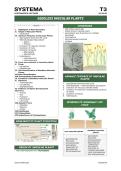
SYSTEMA T3
SYSTEMATICS LECTURE AY 22-23
seedless vascular plants
TRANS: TOPIC
————————Outline———————— cooksonia
I. Highlights of Plant Evolution
- 400 million years ago
II. Origin of Vascular Plants
- oldest known vascular plant
- sporophytic axis branched w/ multiple
• Cooksonia
III. Advance Features of Vascular Plants sporangia
- rhizomatous
• Sporophyte-dominant life cycle - dichotomously branched
• Well-developed Vasculature - rootless
> Xylem
> Phloem
• Evolution of vascular cylinder
• Evolution of roots
• Evolution of leaves
> Microphylls
> Macrophylls
• Heterospory
> Homosporous
> Heterosporous
IV. From non-vascular to vascular plants
V. Phyla
• Lycophyta
• Monilophyta
VI. Old Classi cation of Seedless Vascular
Plants
VII. New Classi cation
VIII.Tracheophyta Classi cation advance features of vascular
IX. Evolution of Seedless Vascular Plants plants
X. Divisions
• Tracheophytes 1. sporophyte-dominany life cycle
• Lycophytes 2. tracheophytes = well-developed vasculature
• Euphyllophytes 3. evolution of vascular cylinder (stele)
XI. Patterns of Xylem Development
4. evolution of roots from subterranean portions
XII. Ferns
of stems
• Fronds 5. evolution of leaves
• Sori 6. heterospory
• Indusium
• Exindusium
• Life Cycle
XIII.Aquatic Ferns sporophyte-dominant life
• Marsillea cycle
• Salvinia
• Azolla
XIV.Cyatheales
XV. Polypodiales
XVI.Importance of Pteridophytes
highlights of plant evolution
seedless vascular
non-vascular plants
plants
- sporophyte
- gametophyte dominant
- photosynthetic
dominant - gametophyte
- photosynthetic
- sporophyte independent
- sporophyta
origin of vascular plants dependent on
branched w/
gametophyte
- rst tracheophytes from rhyniophyta - all homosporous
multiple sporangia
- most homosporous
- few heterosporous
Joshua Mercado 12230278
fi fifi fi
, SYSTEMA T3
SYSTEMATICS LECTURE AY 22-23
seedless vascular plants
well developed vasculature
- consisting of xylem and phloem
xylem
- conducts water and minerals from the soil to
the aerial parts of the plants
- consists of ray cells and lignin-sti ened
tracheis, vessels, bers
lignin
- hard substance
- secreted within secondary cell wall
- found in tracheids, vessels,
bers (all dead cells)
evolution of tracheids
- provided pathway for long-distance transport
enabling (eneables larger growth)
- provided rigid structural support
evolution of vascular
cylinder or stele
phloem
- conducts photosynthetic products from
production sites to where they are used or
stored
- source-sink
- consist of sieve elements, bers, parenchyma
sieve elements
- cells with sieve areas/plates
- having pores lined by callose
- deposited at discrete
sites in the plant cell wall A-A”. Protosteles A. Haplostele
- responds to microbial A’. Actinostele
pathogens A” Plaetostele
B. Ectophloic
B’. Amphiphloic siphonostele or solenostele
sieve cells B”. Dictyostele
- only sieve areas C. Eustele
- found in all vasc. plants except angiosperms D. Atactostele, Xylem = black, Phloem =
white; Pith = striped
sieve tube members
- w/ sieve plates evolution of leaves
- only in angiosperms
microphylls
- small leaves w/ single, unbranched vein
megaphylls
- typically larger
- have branched vascular system
Joshua Mercado 12230278
fi
fi fi ff
SYSTEMATICS LECTURE AY 22-23
seedless vascular plants
TRANS: TOPIC
————————Outline———————— cooksonia
I. Highlights of Plant Evolution
- 400 million years ago
II. Origin of Vascular Plants
- oldest known vascular plant
- sporophytic axis branched w/ multiple
• Cooksonia
III. Advance Features of Vascular Plants sporangia
- rhizomatous
• Sporophyte-dominant life cycle - dichotomously branched
• Well-developed Vasculature - rootless
> Xylem
> Phloem
• Evolution of vascular cylinder
• Evolution of roots
• Evolution of leaves
> Microphylls
> Macrophylls
• Heterospory
> Homosporous
> Heterosporous
IV. From non-vascular to vascular plants
V. Phyla
• Lycophyta
• Monilophyta
VI. Old Classi cation of Seedless Vascular
Plants
VII. New Classi cation
VIII.Tracheophyta Classi cation advance features of vascular
IX. Evolution of Seedless Vascular Plants plants
X. Divisions
• Tracheophytes 1. sporophyte-dominany life cycle
• Lycophytes 2. tracheophytes = well-developed vasculature
• Euphyllophytes 3. evolution of vascular cylinder (stele)
XI. Patterns of Xylem Development
4. evolution of roots from subterranean portions
XII. Ferns
of stems
• Fronds 5. evolution of leaves
• Sori 6. heterospory
• Indusium
• Exindusium
• Life Cycle
XIII.Aquatic Ferns sporophyte-dominant life
• Marsillea cycle
• Salvinia
• Azolla
XIV.Cyatheales
XV. Polypodiales
XVI.Importance of Pteridophytes
highlights of plant evolution
seedless vascular
non-vascular plants
plants
- sporophyte
- gametophyte dominant
- photosynthetic
dominant - gametophyte
- photosynthetic
- sporophyte independent
- sporophyta
origin of vascular plants dependent on
branched w/
gametophyte
- rst tracheophytes from rhyniophyta - all homosporous
multiple sporangia
- most homosporous
- few heterosporous
Joshua Mercado 12230278
fi fifi fi
, SYSTEMA T3
SYSTEMATICS LECTURE AY 22-23
seedless vascular plants
well developed vasculature
- consisting of xylem and phloem
xylem
- conducts water and minerals from the soil to
the aerial parts of the plants
- consists of ray cells and lignin-sti ened
tracheis, vessels, bers
lignin
- hard substance
- secreted within secondary cell wall
- found in tracheids, vessels,
bers (all dead cells)
evolution of tracheids
- provided pathway for long-distance transport
enabling (eneables larger growth)
- provided rigid structural support
evolution of vascular
cylinder or stele
phloem
- conducts photosynthetic products from
production sites to where they are used or
stored
- source-sink
- consist of sieve elements, bers, parenchyma
sieve elements
- cells with sieve areas/plates
- having pores lined by callose
- deposited at discrete
sites in the plant cell wall A-A”. Protosteles A. Haplostele
- responds to microbial A’. Actinostele
pathogens A” Plaetostele
B. Ectophloic
B’. Amphiphloic siphonostele or solenostele
sieve cells B”. Dictyostele
- only sieve areas C. Eustele
- found in all vasc. plants except angiosperms D. Atactostele, Xylem = black, Phloem =
white; Pith = striped
sieve tube members
- w/ sieve plates evolution of leaves
- only in angiosperms
microphylls
- small leaves w/ single, unbranched vein
megaphylls
- typically larger
- have branched vascular system
Joshua Mercado 12230278
fi
fi fi ff


