Page 1 of 38
Adult Nursing 1 Exam 1
Download now
HIGH YIELDS QUESTIONS
NEWEST MODEL 2026 EXAM LATEST
VERSION SOLVED QUESTIONS &
ANSWERS VERIFIED 100 %
Exam
📚 Learn. Practice. Excel.
Unlock your potential with exams designed to help you succeed. Enjoy a smooth
experience, challenging questions, and valuable learning opportunities that prepare you
for real-world success.
Join thousands of learners who are building confidence one exam at a time. Take your
exam today!
, Page 2 of 38
Adult Nursing 1 Exam 1
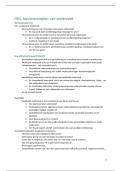
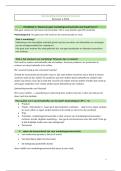
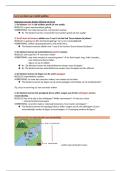
Types of Health Assessments
Comprehensive, Problem-Based/Focused, Emergency, Episodic, Shift, Screening
Health Assessment Steps
1. Collect a _______________
2. Perform a ________________
3. __________ findings and review information
4. Analyze and interpret _____
5. Develop an ____________ plan of care
1. health history (subjective data)
2. physical exam (objective data)
3. Document
4. data
5. individualized
Symptoms =
Signs =
subjective
objective
Subjective data is gathered through _________________ and completed prior
to a _______________.
comprehensive or focused interview, physical exam
Give some examples of what a health history includes:
Includes:
• Biographical data
• Reason for seeking care
• History of present illness
, Page 3 of 38
• Present health status
• Past medical history
• Family history
• Personal/psychosocial history
Objective Data is gathered through _________________________. It consists of
what you SEE, HEAR, FEEL, SMELL, MEASURE!
hands-on physical assessment
Physical assessment techniques:
• Inspection: _________
• Palpation: ________
• Percussion: _________________
• Auscultation: ___________
observing
feeling
vibration/sound- hearing/feeling
listening
Health Assessment Steps: Documentation is a complete and accurate medical
record keeping (EMR/EHR) and is a ______________________
legal document
Tanners Model:
Notice, Interpret, Respond, Reflect
Why are High-Quality Assessments Important?
• Help identify strengths, weaknesses, deficits, and health
problems that may affect patient outcomes
• Promote individualized care
Subjective data:
- Biographical data:
• Age, biological sex, gender identify, marital status, sexual
orientation, race, religion, & occupation
Subjective data:
- Reason for seeking care: is AKA
"chief complaint/concern" (CC)
History of present illness (HPI/HOPI)-
Detailed description of the patient's chief complaint (CC)
, Page 4 of 38
Symptom analysis: OLDCARTS
Onset
Location
Duration
Characteristics
Aggravating factors,
Alleviating factors
Related symptoms
Treatment
Severity
Subjective data:
- Present Health Status
• Current acute and chronic health
• Current conditions
• Medications (Rx, OTC, herbal/supplement)
• Allergies (and reaction)
Subjective data:
- Past Medical History (PMH)
• Surgeries, hospitalizations, immunizations, obstetric history, accidents/injuries,
previous exams (ex. Pap, vision, dental), and current medical conditions and
treatments
Subjective data:
- Family History (FH)
History of illnesses/conditions of blood relatives. May affect current or future health
of patient
Genetics vs Genomics
Genetics focuses on the study of individual genes and their inheritance, while
genomics analyzes the entire genome—all of a person's genes together, including
their interactions with each other and the environment.
Subjective data:
- Personal/Psychosocial History
Information about a patient's everyday life and factors influencing past/current/future
health outcomes. (eg. Education level, Family/social relationships,
Drug/alcohol/tobacco use, Environment, Nutrition, Cultural/religious practices)
Adult Nursing 1 Exam 1
Download now
HIGH YIELDS QUESTIONS
NEWEST MODEL 2026 EXAM LATEST
VERSION SOLVED QUESTIONS &
ANSWERS VERIFIED 100 %
Exam
📚 Learn. Practice. Excel.
Unlock your potential with exams designed to help you succeed. Enjoy a smooth
experience, challenging questions, and valuable learning opportunities that prepare you
for real-world success.
Join thousands of learners who are building confidence one exam at a time. Take your
exam today!
, Page 2 of 38
Adult Nursing 1 Exam 1
Types of Health Assessments
Comprehensive, Problem-Based/Focused, Emergency, Episodic, Shift, Screening
Health Assessment Steps
1. Collect a _______________
2. Perform a ________________
3. __________ findings and review information
4. Analyze and interpret _____
5. Develop an ____________ plan of care
1. health history (subjective data)
2. physical exam (objective data)
3. Document
4. data
5. individualized
Symptoms =
Signs =
subjective
objective
Subjective data is gathered through _________________ and completed prior
to a _______________.
comprehensive or focused interview, physical exam
Give some examples of what a health history includes:
Includes:
• Biographical data
• Reason for seeking care
• History of present illness
, Page 3 of 38
• Present health status
• Past medical history
• Family history
• Personal/psychosocial history
Objective Data is gathered through _________________________. It consists of
what you SEE, HEAR, FEEL, SMELL, MEASURE!
hands-on physical assessment
Physical assessment techniques:
• Inspection: _________
• Palpation: ________
• Percussion: _________________
• Auscultation: ___________
observing
feeling
vibration/sound- hearing/feeling
listening
Health Assessment Steps: Documentation is a complete and accurate medical
record keeping (EMR/EHR) and is a ______________________
legal document
Tanners Model:
Notice, Interpret, Respond, Reflect
Why are High-Quality Assessments Important?
• Help identify strengths, weaknesses, deficits, and health
problems that may affect patient outcomes
• Promote individualized care
Subjective data:
- Biographical data:
• Age, biological sex, gender identify, marital status, sexual
orientation, race, religion, & occupation
Subjective data:
- Reason for seeking care: is AKA
"chief complaint/concern" (CC)
History of present illness (HPI/HOPI)-
Detailed description of the patient's chief complaint (CC)
, Page 4 of 38
Symptom analysis: OLDCARTS
Onset
Location
Duration
Characteristics
Aggravating factors,
Alleviating factors
Related symptoms
Treatment
Severity
Subjective data:
- Present Health Status
• Current acute and chronic health
• Current conditions
• Medications (Rx, OTC, herbal/supplement)
• Allergies (and reaction)
Subjective data:
- Past Medical History (PMH)
• Surgeries, hospitalizations, immunizations, obstetric history, accidents/injuries,
previous exams (ex. Pap, vision, dental), and current medical conditions and
treatments
Subjective data:
- Family History (FH)
History of illnesses/conditions of blood relatives. May affect current or future health
of patient
Genetics vs Genomics
Genetics focuses on the study of individual genes and their inheritance, while
genomics analyzes the entire genome—all of a person's genes together, including
their interactions with each other and the environment.
Subjective data:
- Personal/Psychosocial History
Information about a patient's everyday life and factors influencing past/current/future
health outcomes. (eg. Education level, Family/social relationships,
Drug/alcohol/tobacco use, Environment, Nutrition, Cultural/religious practices)