
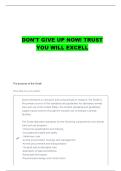
The purpose of the Guide
Give this one a try later!
assist institutions in caring for and using animals in research. The Guide is
the primary source of the standards and guidelines for laboratory animal
care and use in the United States. The Guide's standards and guidelines
support good science through the humane use of animals in animal
facilities.
The Guide describes standards for the following components of an animal
care and use program:
• Personnel qualifications and training
•Occupational health and safety
• Veterinary care
•Animal environment, housing, and management
•Animal procurement and transportation
• Surgical and postsurgical care
•Alleviation of pain and distress
•Euthanasia techniques
•Physical plant design and construction
, There is a related document called the Guide for the Care and Use of
Agricultural Animals in Agricultural Research and Teaching (generally called
the Ag Guide). It applies to research and teaching that have agricultural
rather than biomedical objectives.
What types of euthanasia methods are listed in the AVMA Guidelines for the
Euthanasia of Animals?
Give this one a try later!
Acceptable, conditionally acceptable, and unacceptable methods
laws protect animals
Give this one a try later!
The earliest law to protect animals from cruelty in America was passed in
1641 in the Massachusetts colony.
The first federal anti-cruelty law was enacted in l873. It was specifically
directed at the meat packing industry to limit the amount of time the
animals could be confined during shipment. This law also mandated that
animals be provided food, water, and the opportunity to rest during
shipment.
In the mid-19th century, the state of New York passed a law for the "more
effectual prevention of animal cruelty." This law became the model for
similar laws in other states.
During the 20th century, anti-cruelty laws were extended to include the
humane treatment of laboratory animals.
• The foundation of the modern laboratory animal welfare guidelines and
regulations can be traced to 1950.
• The Animal Care Panel (ACP, which later became AALAS) published the
first edition of the Guide in 1963.
Give this one a try later!
assist institutions in caring for and using animals in research. The Guide is
the primary source of the standards and guidelines for laboratory animal
care and use in the United States. The Guide's standards and guidelines
support good science through the humane use of animals in animal
facilities.
The Guide describes standards for the following components of an animal
care and use program:
• Personnel qualifications and training
•Occupational health and safety
• Veterinary care
•Animal environment, housing, and management
•Animal procurement and transportation
• Surgical and postsurgical care
•Alleviation of pain and distress
•Euthanasia techniques
•Physical plant design and construction
, There is a related document called the Guide for the Care and Use of
Agricultural Animals in Agricultural Research and Teaching (generally called
the Ag Guide). It applies to research and teaching that have agricultural
rather than biomedical objectives.
What types of euthanasia methods are listed in the AVMA Guidelines for the
Euthanasia of Animals?
Give this one a try later!
Acceptable, conditionally acceptable, and unacceptable methods
laws protect animals
Give this one a try later!
The earliest law to protect animals from cruelty in America was passed in
1641 in the Massachusetts colony.
The first federal anti-cruelty law was enacted in l873. It was specifically
directed at the meat packing industry to limit the amount of time the
animals could be confined during shipment. This law also mandated that
animals be provided food, water, and the opportunity to rest during
shipment.
In the mid-19th century, the state of New York passed a law for the "more
effectual prevention of animal cruelty." This law became the model for
similar laws in other states.
During the 20th century, anti-cruelty laws were extended to include the
humane treatment of laboratory animals.
• The foundation of the modern laboratory animal welfare guidelines and
regulations can be traced to 1950.
• The Animal Care Panel (ACP, which later became AALAS) published the
first edition of the Guide in 1963.


