
Tes Bank For Lewis’s Medical Surgical Nursing 11th Edition Harding
J 1
Table of Contents
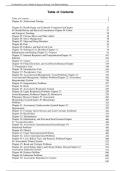
Table of Contents 1
Chapter 01: Professional Nursing 3
Chapter 02: Health Equity and Culturally Competen CareChapter
J 13
03: Health History and Physical Examination Chapter 04: Patien J 21
and Caregiver Teaching 28
Chapter 05: Chronic Illness and Older Adults 38
Chapter 06: Stress Management 48
Chapter 07: Sleep and Sleep Disorders 54
Chapter 08: Pain 59
Chapter 09: Palliative and End of Life Care 71
Chapter 10: Substance Use Disorders Chapter 11: 79
Inflammation and Healing Chapter 12: Genetics 91
Chapter 13: Immune Responses and TransplantationChapter 14: 101
Infection 105
Chapter 15: Cancer 117
Chapter 16: Fluid, Electrolyte, and Acid-Base ImbalancesChapter 129
17: Preoperative Care 148
Chapter 18: Intraoperative Care 165
Chapter 19: Postoperative Care 175
Chapter 20: Assessmen and Management: Visual Problems Chapter 21:
J 184
Assessmen and Management: Auditory ProblemsChapter 22: Assessment:
J 196
Integumentary System 216
Chapter 23: Integumentary Problems 227
Chapter 24: Burns 233
Chapter 25: Assessment: Respiratory System 245
Chapter 26: Upper Respiratory Problems Chapter 27: 259
Lower Respiratory Problems Chapter 28: Obstructive 270
Pulmonary Diseases Chapter 29: Assessment: 282
Hematologic SystemChapter 30: Hematologic 305
Problems 325
Chapter 31: Assessment: Cardiovascular SystemChapter 32: 332
Hypertension 353
Chapter 33: Coronary Artery Disease and Acute Coronary Syndrome 364
Chapter 34: Hear Failure
J 375
Chapter 35: Dysrhythmias 394
Chapter 36: Inflammatory and Structural Hear DisordersChapter
J 406
37: Vascular Disorders 420
Chapter 38: Assessment: Gastrointestinal SystemChapter 39: 435
Nutritional Problems 450
Chapter 40: Obesity 458
Chapter 41: Upper Gastrointestinal Problems 469
Chapter 42: Lower Gastrointestinal Problems 478
Chapter 43: Liver, Biliary Tract, and Pancreas ProblemsChapter 499
44: Assessment: Urinary System 523
Chapter 45: Renal and Urologic Problems 543
Chapter 46: Acute Kidney Injury and Chronic Kidney DiseaseChapter 47: 553
Assessment: Endocrine System 573
Chapter 48: Diabetes Mellitus 590
Chapter 49: Endocrine Problems 600
Chapter 50: Assessment: Reproductive System 622
642
,Tes Bank For Lewis’s Medical Surgical Nursing 11th Edition Harding
J 2
Chapter 51: Breas Disorders
J
650
Chapter 52: Sexually Transmitted InfectionsChapter 662
53: Female Reproductive ProblemsChapter 54: 671
Male Reproductive Problems Chapter 55: 693
Assessment: Nervous System Chapter 56: Acute 708
Intracranial Problems Chapter 57: Stroke 717
Chapter 58: Chronic Neurologic ProblemsChapter 734
59: Dementia and Delirium 747
Chapter 60: Spinal Cord and Peripheral Nerve ProblemsChapter 61: 763
Assessment: Musculoskeletal System 772
Chapter 62: Musculoskeletal Trauma and Orthopedic SurgeryChapter 787
63: Musculoskeletal Problems 794
Chapter 64: Arthritis and Connective Tissue DiseasesChapter 65: 814
Critical Care 825
Chapter 66: Shock, Sepsis, and Multiple Organ Dysfunction Syndrome 845
Chapter 67: Acute Respiratory Failure and Acute Respiratory Distress SyndromeChapter 864
68: Emergency and Disaster Nursing 877
889
TES BANK FOR
J
Lewis’s Medical Surgical
Nursing 11th Edition
Harding
,Tes Bank For Lewis’s Medical Surgical Nursing 11th Edition Harding
J 3
Chapter 01: Professional Nursing
Tes Bank MULTIPLE
J
CHOICE
1. The nurse teaches a student nurse about how to apply the nursing process when providing patient care.
J J J J J J J J J J J J J J J J
Which statement, if made by the student nurse, indicates that teaching was successful?
J J J J J J J J J J J J
a. The nursing process is a scientific-based method of diagnosing the patients health care problems.
J J J J J J J J J J J J J
b. The nursing process is a problem-solving tool used to identify and treat patients health care needs.
J J J J J J J J J J J J J J J
c. The nursing process is based on nursing theory that incorporates the biopsychosocial nature of
J J J J J J J J J J J J J J
humans.
d. The nursing process is used primarily to explain nursing interventions to other health care
J J J J J J J J J J J J J J
professionals.
ANS: B J
The nursing process is a problem-solving approach to the identification and treatment of patients problems.
J J J J J J J J J J J J J J J
Diagnosis is only one phase of the nursing process. The primary use of the nursing process is in patient care, not to
J J J J J J J J J J J J J J J J J J J J J J
establish nursing theory or explain nursing interventions to other health care professionals.
J J J J J J J J J J J
DIF: Cognitive Level: Understand (comprehension)
J J J J
TOP: Nursing Process: Implementation MSC: NCLEX: Safe and Effective Care Environment
J J J J J J J J J J
2. The nurse describes to a student nurse how to use evidence-based practice guidelines when caring for
J J J J J J J J J J J J J J J J
patients. Which statement, if made by the nurse, would be the most accurate?
J J J J J J J J J J J J
a. Inferences from clinical research studies are used as a guide. J J J J J J J J J
b. Patient care is based on clinical judgment, experience, and traditions.
J J J J J J J J J
c. Data are evaluated to show that the patient outcomes are consistently met.
J J J J J J J J J J J
d. Recommendations are based on research, clinical expertise, and patient preferences. J J J J J J J J J
ANS: D J
Evidence-based practice (EBP) is the use of the best research-based evidence combined with clinician
J J J J J J J J J J J J J J
expertise. Clinical judgment based on the nurses clinical experience is part of EBP, but clinical decision
J J J J J J J J J J J J J J J J
making should also incorporate current research and research-based guidelines. Evaluation of patient outcomes is
J J J J J J J J J J J J J J
important, but interventions should be based on research from randomized control studies with a large
J J J J J J J J J J J J J J J
number of subjects. J J
DIF: Cognitive Level: Remember (knowledge)
J J J J
TOP: Nursing Process: Planning MSC: NCLEX: Safe and Effective Care Environment
J J J J J J J J J J
, Tes Bank For Lewis’s Medical Surgical Nursing 11th Edition Harding
J 4
3. The nurse completes an admission database and explains that the plan of care and discharge goals will be
J J J J J J J J J J J J J J J J J J
developed with the patients input. The patient states, How is this different from what the doctor does? Which
J J J J J J J J J J J J J J J J J J
response would be most appropriate for the nurse to make?
J J J J J J J J J
a. The role of the nurse is to administer medications and other treatments prescribed by your doctor.
J J J J J J J J J J J J J J J
b. The nurses job is to help the doctor by collecting information and communicating any problems that
J J J J J J J J J J J J J J J J
occur.
c. Nurses perform many of the same procedures as the doctor, but nurses are with the patients for a longer
J J J J J J J J J J J J J J J J J J J
time than the doctor. J J J
d. In addition to caring for you while you are sick, the nurses will assist you to develop an
J J J J J J J J J J J J J J J J J J
individualized plan to maintain your health. J J J J J
ANS: D J
This response is consistent with the American Nurses Association (ANA) definition of nursing, which
J J J J J J J J J J J J J J
describes the role of nurses in promoting health. The other responses describe some of the dependent and
J J J J J J J J J J J J J J J J J
collaborative functions of the nursing role but do not accurately describe the nurses role in the health care system.
J J J J J J J J J J J J J J J J J J
DIF: Cognitive Level: Understand (comprehension)
J J J J
TOP: Nursing Process: Implementation MSC: NCLEX: Safe and Effective Care Environment
J J J J J J J J J J
4. A patient who is paralyzed on the left side of the body after a stroke develops a pressure ulcer on the left hip Which
J J J J J J J J J J J J J J J J J J J J J J J J
nursing diagnosis is most appropriate?J J J J
a. Impaired physical mobility related to left-sided paralysis J J J J J J
b. Risk for impaired tissue integrity related to left-sided weakness
J J J J J J J J
c. Impaired skin integrity related to altered circulation and pressure J J J J J J J J
d. Ineffective tissue perfusion related to inability to move independently J J J J J J J J
ANS: C J
The patients major problem is the impaired skin integrity as demonstrated by the presence of a pressure ulcer. The
J J J J J J J J J J J J J J J J J J J
nurse is able to treat the cause of altered circulation and pressure by frequently repositioning the patient. Although
J J J J J J J J J J J J J J J J J J
left-sided weakness is a problem for the patient, the nurse cannot treat the weakness. The risk for diagnosis
J J J J J J J J J J J J J J J J J J
is not appropriate for this patient, who already has impaired tissue integrity. The patient does have ineffective tissue
J J J J J J J J J J J J J J J J J J
perfusion, but the impaired skin integrity diagnosis indicates more clearly what the health problem is.
J J J J J J J J J J J J J J
DIF: Cognitive Level: Apply (application)
J J J J
TOP: Nursing Process: Diagnosis MSC: NCLEX: Physiological Integrity
J J J J J J J
5. A patient has been admitted to the hospital for surgery and tells the nurse, I do not feel comfortable leaving my
J J J J J J J J J J J J J J J J J J J J J
children with my parents. Which action should the nurse take next?
J J J J J J J J J J
J 1
Table of Contents
Table of Contents 1
Chapter 01: Professional Nursing 3
Chapter 02: Health Equity and Culturally Competen CareChapter
J 13
03: Health History and Physical Examination Chapter 04: Patien J 21
and Caregiver Teaching 28
Chapter 05: Chronic Illness and Older Adults 38
Chapter 06: Stress Management 48
Chapter 07: Sleep and Sleep Disorders 54
Chapter 08: Pain 59
Chapter 09: Palliative and End of Life Care 71
Chapter 10: Substance Use Disorders Chapter 11: 79
Inflammation and Healing Chapter 12: Genetics 91
Chapter 13: Immune Responses and TransplantationChapter 14: 101
Infection 105
Chapter 15: Cancer 117
Chapter 16: Fluid, Electrolyte, and Acid-Base ImbalancesChapter 129
17: Preoperative Care 148
Chapter 18: Intraoperative Care 165
Chapter 19: Postoperative Care 175
Chapter 20: Assessmen and Management: Visual Problems Chapter 21:
J 184
Assessmen and Management: Auditory ProblemsChapter 22: Assessment:
J 196
Integumentary System 216
Chapter 23: Integumentary Problems 227
Chapter 24: Burns 233
Chapter 25: Assessment: Respiratory System 245
Chapter 26: Upper Respiratory Problems Chapter 27: 259
Lower Respiratory Problems Chapter 28: Obstructive 270
Pulmonary Diseases Chapter 29: Assessment: 282
Hematologic SystemChapter 30: Hematologic 305
Problems 325
Chapter 31: Assessment: Cardiovascular SystemChapter 32: 332
Hypertension 353
Chapter 33: Coronary Artery Disease and Acute Coronary Syndrome 364
Chapter 34: Hear Failure
J 375
Chapter 35: Dysrhythmias 394
Chapter 36: Inflammatory and Structural Hear DisordersChapter
J 406
37: Vascular Disorders 420
Chapter 38: Assessment: Gastrointestinal SystemChapter 39: 435
Nutritional Problems 450
Chapter 40: Obesity 458
Chapter 41: Upper Gastrointestinal Problems 469
Chapter 42: Lower Gastrointestinal Problems 478
Chapter 43: Liver, Biliary Tract, and Pancreas ProblemsChapter 499
44: Assessment: Urinary System 523
Chapter 45: Renal and Urologic Problems 543
Chapter 46: Acute Kidney Injury and Chronic Kidney DiseaseChapter 47: 553
Assessment: Endocrine System 573
Chapter 48: Diabetes Mellitus 590
Chapter 49: Endocrine Problems 600
Chapter 50: Assessment: Reproductive System 622
642
,Tes Bank For Lewis’s Medical Surgical Nursing 11th Edition Harding
J 2
Chapter 51: Breas Disorders
J
650
Chapter 52: Sexually Transmitted InfectionsChapter 662
53: Female Reproductive ProblemsChapter 54: 671
Male Reproductive Problems Chapter 55: 693
Assessment: Nervous System Chapter 56: Acute 708
Intracranial Problems Chapter 57: Stroke 717
Chapter 58: Chronic Neurologic ProblemsChapter 734
59: Dementia and Delirium 747
Chapter 60: Spinal Cord and Peripheral Nerve ProblemsChapter 61: 763
Assessment: Musculoskeletal System 772
Chapter 62: Musculoskeletal Trauma and Orthopedic SurgeryChapter 787
63: Musculoskeletal Problems 794
Chapter 64: Arthritis and Connective Tissue DiseasesChapter 65: 814
Critical Care 825
Chapter 66: Shock, Sepsis, and Multiple Organ Dysfunction Syndrome 845
Chapter 67: Acute Respiratory Failure and Acute Respiratory Distress SyndromeChapter 864
68: Emergency and Disaster Nursing 877
889
TES BANK FOR
J
Lewis’s Medical Surgical
Nursing 11th Edition
Harding
,Tes Bank For Lewis’s Medical Surgical Nursing 11th Edition Harding
J 3
Chapter 01: Professional Nursing
Tes Bank MULTIPLE
J
CHOICE
1. The nurse teaches a student nurse about how to apply the nursing process when providing patient care.
J J J J J J J J J J J J J J J J
Which statement, if made by the student nurse, indicates that teaching was successful?
J J J J J J J J J J J J
a. The nursing process is a scientific-based method of diagnosing the patients health care problems.
J J J J J J J J J J J J J
b. The nursing process is a problem-solving tool used to identify and treat patients health care needs.
J J J J J J J J J J J J J J J
c. The nursing process is based on nursing theory that incorporates the biopsychosocial nature of
J J J J J J J J J J J J J J
humans.
d. The nursing process is used primarily to explain nursing interventions to other health care
J J J J J J J J J J J J J J
professionals.
ANS: B J
The nursing process is a problem-solving approach to the identification and treatment of patients problems.
J J J J J J J J J J J J J J J
Diagnosis is only one phase of the nursing process. The primary use of the nursing process is in patient care, not to
J J J J J J J J J J J J J J J J J J J J J J
establish nursing theory or explain nursing interventions to other health care professionals.
J J J J J J J J J J J
DIF: Cognitive Level: Understand (comprehension)
J J J J
TOP: Nursing Process: Implementation MSC: NCLEX: Safe and Effective Care Environment
J J J J J J J J J J
2. The nurse describes to a student nurse how to use evidence-based practice guidelines when caring for
J J J J J J J J J J J J J J J J
patients. Which statement, if made by the nurse, would be the most accurate?
J J J J J J J J J J J J
a. Inferences from clinical research studies are used as a guide. J J J J J J J J J
b. Patient care is based on clinical judgment, experience, and traditions.
J J J J J J J J J
c. Data are evaluated to show that the patient outcomes are consistently met.
J J J J J J J J J J J
d. Recommendations are based on research, clinical expertise, and patient preferences. J J J J J J J J J
ANS: D J
Evidence-based practice (EBP) is the use of the best research-based evidence combined with clinician
J J J J J J J J J J J J J J
expertise. Clinical judgment based on the nurses clinical experience is part of EBP, but clinical decision
J J J J J J J J J J J J J J J J
making should also incorporate current research and research-based guidelines. Evaluation of patient outcomes is
J J J J J J J J J J J J J J
important, but interventions should be based on research from randomized control studies with a large
J J J J J J J J J J J J J J J
number of subjects. J J
DIF: Cognitive Level: Remember (knowledge)
J J J J
TOP: Nursing Process: Planning MSC: NCLEX: Safe and Effective Care Environment
J J J J J J J J J J
, Tes Bank For Lewis’s Medical Surgical Nursing 11th Edition Harding
J 4
3. The nurse completes an admission database and explains that the plan of care and discharge goals will be
J J J J J J J J J J J J J J J J J J
developed with the patients input. The patient states, How is this different from what the doctor does? Which
J J J J J J J J J J J J J J J J J J
response would be most appropriate for the nurse to make?
J J J J J J J J J
a. The role of the nurse is to administer medications and other treatments prescribed by your doctor.
J J J J J J J J J J J J J J J
b. The nurses job is to help the doctor by collecting information and communicating any problems that
J J J J J J J J J J J J J J J J
occur.
c. Nurses perform many of the same procedures as the doctor, but nurses are with the patients for a longer
J J J J J J J J J J J J J J J J J J J
time than the doctor. J J J
d. In addition to caring for you while you are sick, the nurses will assist you to develop an
J J J J J J J J J J J J J J J J J J
individualized plan to maintain your health. J J J J J
ANS: D J
This response is consistent with the American Nurses Association (ANA) definition of nursing, which
J J J J J J J J J J J J J J
describes the role of nurses in promoting health. The other responses describe some of the dependent and
J J J J J J J J J J J J J J J J J
collaborative functions of the nursing role but do not accurately describe the nurses role in the health care system.
J J J J J J J J J J J J J J J J J J
DIF: Cognitive Level: Understand (comprehension)
J J J J
TOP: Nursing Process: Implementation MSC: NCLEX: Safe and Effective Care Environment
J J J J J J J J J J
4. A patient who is paralyzed on the left side of the body after a stroke develops a pressure ulcer on the left hip Which
J J J J J J J J J J J J J J J J J J J J J J J J
nursing diagnosis is most appropriate?J J J J
a. Impaired physical mobility related to left-sided paralysis J J J J J J
b. Risk for impaired tissue integrity related to left-sided weakness
J J J J J J J J
c. Impaired skin integrity related to altered circulation and pressure J J J J J J J J
d. Ineffective tissue perfusion related to inability to move independently J J J J J J J J
ANS: C J
The patients major problem is the impaired skin integrity as demonstrated by the presence of a pressure ulcer. The
J J J J J J J J J J J J J J J J J J J
nurse is able to treat the cause of altered circulation and pressure by frequently repositioning the patient. Although
J J J J J J J J J J J J J J J J J J
left-sided weakness is a problem for the patient, the nurse cannot treat the weakness. The risk for diagnosis
J J J J J J J J J J J J J J J J J J
is not appropriate for this patient, who already has impaired tissue integrity. The patient does have ineffective tissue
J J J J J J J J J J J J J J J J J J
perfusion, but the impaired skin integrity diagnosis indicates more clearly what the health problem is.
J J J J J J J J J J J J J J
DIF: Cognitive Level: Apply (application)
J J J J
TOP: Nursing Process: Diagnosis MSC: NCLEX: Physiological Integrity
J J J J J J J
5. A patient has been admitted to the hospital for surgery and tells the nurse, I do not feel comfortable leaving my
J J J J J J J J J J J J J J J J J J J J J
children with my parents. Which action should the nurse take next?
J J J J J J J J J J


