COMSAE 1
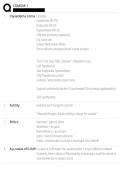
1. myxedema coma Comatose
Hypothermia (93.9°F)
Bradycardia (HR 52)
Hypoventilation (RR 10)
Puffy face and hands (myxedema)
Dry, coarse skin
Delayed deep tendon reflexes
Pleural effusions (decreased breath sounds at bases)
Think "Cold, Slow, Puffy, Comatose" = Myxedema Coma
Cold ’hypothermia
Slow ’bradycardia, hypoventilation
Puffy ’myxedematous facies
Comatose ’altered mental status/coma
Diagnosis confirmed by low free T4 (and elevated TSH in primary hypothyroidism).
TX-IV Levothyroxine
2. Futility treatment won't change the outcome
"Advanced therapies that are unlikely to change her outcome"
3. Ethics Autonomy = patient's choice
Beneficence = do good
Nonmaleficence = do no harm
Justice = fairness/resource allocation
Futility = treatment will not achieve a meaningful clinical benefit
4. A p-value of 0.049 A p-value of 0.049 means that, assuming there is truly no difference between
treatments, there is about a 4.9% probability of observing a result this extreme or
more extreme due to random chance.
, COMSAE 1
5. Types of Bias Expectation bias: Researcher's expectations influence outcomes.
Information bias: Errors in data collection or measurement.
Observer bias: Researcher's observations are influenced by preconceived beliefs.
Selection bias: The study is conducted at a specialty center
6. what med caus- atenolol
es symptomatic
bradycardia? Bradycardia, AV block, syncope, fatigue
7. Kids with Sickle AgeVaccine2, 4, 6, 12-15 mo PCV, Hib (routine)
cell vaccines
2 yearsPPSV23
7 years Second PPSV23
Childhood MenACWY (MC4) high-risk series + boosters every 5 years
10 years MenB series Every year after 6 months Influenza
8. Sickle cell kids S = Strep pneumo ’PPSV23
bugs to vaccinate H = Hib
against N = Neisseria ’MenACWY + MenB
9. Asthma Control AlbuterolRescue (acute symptoms)
Inhaled corticosteroid (budesonide, fluticasone)First-line controller
Oral prednisone Acute exacerbations
Theophylline Rarely used
10. Tardive dyskine- switch to atypical antipsychotic
sia
Clozapine
11. Clozapine
1. myxedema coma Comatose
Hypothermia (93.9°F)
Bradycardia (HR 52)
Hypoventilation (RR 10)
Puffy face and hands (myxedema)
Dry, coarse skin
Delayed deep tendon reflexes
Pleural effusions (decreased breath sounds at bases)
Think "Cold, Slow, Puffy, Comatose" = Myxedema Coma
Cold ’hypothermia
Slow ’bradycardia, hypoventilation
Puffy ’myxedematous facies
Comatose ’altered mental status/coma
Diagnosis confirmed by low free T4 (and elevated TSH in primary hypothyroidism).
TX-IV Levothyroxine
2. Futility treatment won't change the outcome
"Advanced therapies that are unlikely to change her outcome"
3. Ethics Autonomy = patient's choice
Beneficence = do good
Nonmaleficence = do no harm
Justice = fairness/resource allocation
Futility = treatment will not achieve a meaningful clinical benefit
4. A p-value of 0.049 A p-value of 0.049 means that, assuming there is truly no difference between
treatments, there is about a 4.9% probability of observing a result this extreme or
more extreme due to random chance.
, COMSAE 1
5. Types of Bias Expectation bias: Researcher's expectations influence outcomes.
Information bias: Errors in data collection or measurement.
Observer bias: Researcher's observations are influenced by preconceived beliefs.
Selection bias: The study is conducted at a specialty center
6. what med caus- atenolol
es symptomatic
bradycardia? Bradycardia, AV block, syncope, fatigue
7. Kids with Sickle AgeVaccine2, 4, 6, 12-15 mo PCV, Hib (routine)
cell vaccines
2 yearsPPSV23
7 years Second PPSV23
Childhood MenACWY (MC4) high-risk series + boosters every 5 years
10 years MenB series Every year after 6 months Influenza
8. Sickle cell kids S = Strep pneumo ’PPSV23
bugs to vaccinate H = Hib
against N = Neisseria ’MenACWY + MenB
9. Asthma Control AlbuterolRescue (acute symptoms)
Inhaled corticosteroid (budesonide, fluticasone)First-line controller
Oral prednisone Acute exacerbations
Theophylline Rarely used
10. Tardive dyskine- switch to atypical antipsychotic
sia
Clozapine
11. Clozapine